


Conquering Mount Kilimanjaro: A Summit Guide
Mount Kilimanjaro stands as a beacon for adventurers worldwide. Its majestic peak, the highest in Africa, beckons climbers with promises of breathtaking views and personal triumph. Reaching the Mt Kilimanjaro summit is a dream for many. It’s a journey that tests endurance, patience, and willpower. The mountain offers a unique blend of challenge and beauty. Climbing Kilimanjaro requires no technical skills. However, it demands good physical fitness and mental resilience. Preparation is key to a successful ascent. The mountain’s diverse climate zones add to its allure. From lush rainforests to arctic conditions, Kilimanjaro offers a journey through varied landscapes. Altitude is a significant factor in the climb. Proper acclimatization is crucial to avoid altitude sickness. Understanding the mountain’s altitude is essential for a safe climb. Several routes lead to the summit. Each offers different experiences and challenges. Choosing the right route is vital for your Kilimanjaro adventure. The climb is more than a physical challenge. It’s an opportunity to disconnect from daily life and immerse in nature. The experience is often life-changing. Guides and porters play a crucial role in the climb. They provide support and ensure safety. Their expertise is invaluable. The Kilimanjaro climb is a significant source of income for local communities. It supports conservation efforts and promotes sustainable tourism. Embarking on this adventure requires careful planning. This guide will help you prepare for the journey of a lifetime.
Mount Kilimanjaro: Africa’s Highest Peak
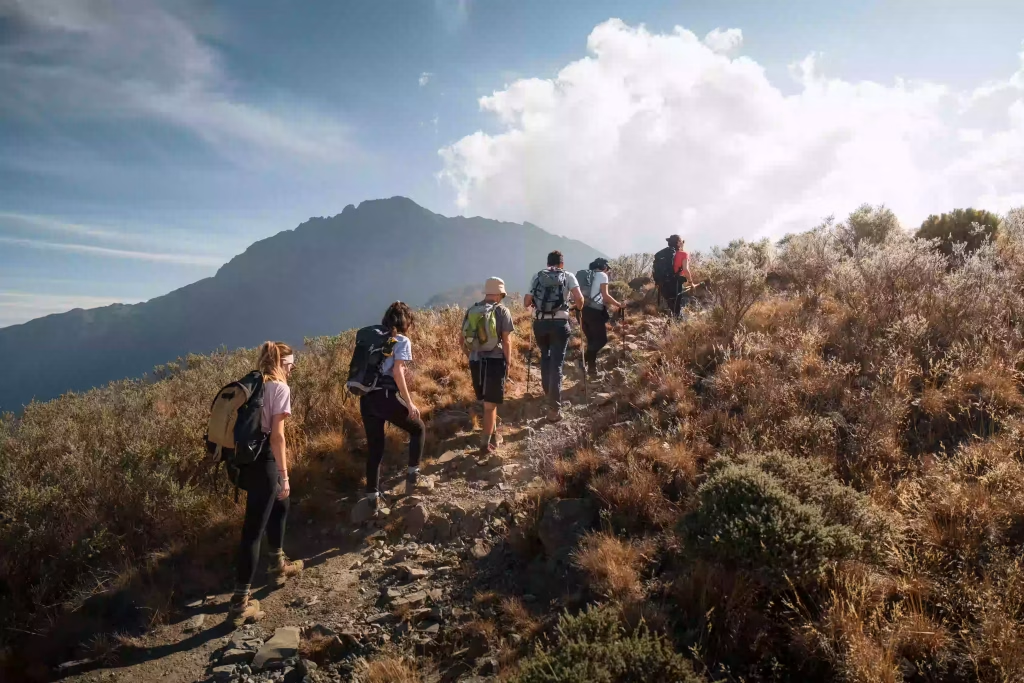
Mount Kilimanjaro is an icon. Rising majestically, it dominates Tanzania’s skyline. Its snow-capped peak attracts dreamers and adventurers from across the globe. Kilimanjaro stands at 5,895 meters (19,341 feet). This makes it the tallest free-standing mountain worldwide. It is a UNESCO World Heritage site located within the Kilimanjaro National Park. This dormant volcano comprises three cones: Kibo, Mawenzi, and Shira. Kibo is the highest point, hosting the famous Uhuru Peak, the ultimate goal for climbers. The mountain’s natural beauty and unique ecosystem are unparalleled. From its lush forests to the icy summit, Kilimanjaro presents varied climates and terrains. This diversity is part of what makes it so captivating. Kilimanjaro is not just for experienced mountaineers. Though challenging, it requires no technical climbing skills. Determination, preparation, and respect for the mountain are key to reaching the top. Local culture is rich and intriguing. The Chagga people, who inhabit the region, hold deep cultural ties to the mountain. Their traditions and stories add depth to the climbing experience. Climbing Kilimanjaro contributes greatly to local economies. Tourism supports many livelihoods and funds conservation efforts, preserving the mountain for future generations.
Notable features of Kilimanjaro include:
- Rainforests: Home to diverse wildlife, these vibrant forests cover the lower slopes.
- Heath Zones: Characterized by evergreen trees and shrubs, it’s a transition into harsher climates.
- Alpine Deserts: Harsh, cold, and barren, these areas test climbers’ endurance.
- Ice Cap: The magnificent yet shrinking glaciers mark the summit.
Reaching the Kilimanjaro summit is a testament to human spirit and resilience. Climbers often describe their experience as transformative, a journey that deeply impacts their perspective.
Understanding Kilimanjaro Altitude and Climate Zones
Kilimanjaro’s altitude is both its allure and its challenge. Understanding how altitude affects the body is crucial for climbers. As you ascend, oxygen levels decrease, making acclimatization essential. The mountain stands with five distinct climate zones. Each zone presents its unique environment and challenges. Recognizing these zones helps prepare both mentally and physically for the trek. The base of Kilimanjaro is characterized by lush, dense rainforests. These forests are home to a plethora of wildlife, including monkeys and exotic birds. The vibrant greenery is a stark contrast to what lies ahead. Above the rainforest, the landscape morphs into heath and moorland. This zone features a mix of shrubbery and heathers. The air begins to thin, and temperatures drop noticeably. Next is the alpine desert, characterized by rocky terrain and sparse vegetation. Conditions here are harsh, with chilly winds and higher sun exposure. This zone tests your endurance and determination. Finally, there is the glacial summit, a realm of snow and ice. At these heights, the temperature plummets dramatically. Freezing conditions dominate the landscape, providing a stark and breathtaking vista.
Here are the five climate zones you will encounter:
- Cultivated Zone: Rich with agriculture, it surrounds the base.
- Rainforest Zone: Lush green forests harboring diverse wildlife.
- Heath and Moorland Zone: Rolling heaths and moorlands with shrubby landscapes.
- Alpine Desert Zone: Rocky, barren lands with extreme temperatures.
- Arctic Zone: Glacial peaks covered in perpetual snow.
To manage altitude and climate shifts, trek slowly and rest often. “Pole Pole,” or “slowly, slowly” in Swahili, is the mantra for success. Acclimatizing properly reduces the risk of altitude sickness, ensuring a safer climb. Keep an eye on your physical state, responding to body signals. Altitude sickness can manifest as headaches, nausea, or fatigue. Recognizing these signs early is essential for your safety. Equipping yourself with proper knowledge is crucial before climbing Kilimanjaro. Understanding altitude and climate zones will enhance your experience. Preparation ensures every step towards the summit is a rewarding one.
Choosing Your Route to the Mt Kilimanjaro Summit
Selecting the right route is crucial when planning your ascent to the Mt Kilimanjaro summit. Each route offers different challenges and sights. The decision should align with your fitness level and preferences. Routes vary in difficulty, length, and scenery. They also offer diverse acclimatization opportunities. Thoughtful route planning maximizes your chance of a successful summit.
Key considerations when selecting a route:
- Length of the trek: Ranges from 5 to 9 days
- Scenery and landscape types
- Level of difficulty and acclimatization opportunities
Popular routes include the Marangu, Machame, and Lemosho. Less frequented paths like the Northern Circuit and Rongai offer unique experiences. Each presents a distinct way to approach the mountain. Guides and porters are essential, providing support and guidance. They enhance your safety and ease throughout the climb. Choosing a reputable operator is important for a successful trek.
Key factors in choosing a tour operator:
- Experience and reputations with positive feedback
- Guides’ certifications and language proficiency
- Safety protocols in place
Marangu Route
The Marangu Route, often dubbed the “Coca-Cola” route, is renowned for its hut accommodations. This is the only path offering such comfort, with dormitory-style lodging at each camp. Known for its gradual ascent, Marangu is ideal for novice trekkers. The steady incline allows for a consistent pace, making it less daunting for many. Despite its easier gradient, acclimatization is still essential. The route takes approximately 5 to 6 days, offering beautiful views of the mountain.
Machame Route
The Machame Route is famed for its scenic beauty, offering a diverse array of landscapes. Also referred to as the “Whiskey” route, it provides a more challenging experience. Trekkers enjoy varied scenery, from lush forests to breathtaking arid zones. The route is slightly longer, typically completed in 6 to 7 days. While more strenuous, Machame’s allure lies in its visual diversity. For those seeking adventure and beauty, this route is a perfect choice.
Lemosho Route
Lemosho Route is prized for its pristine scenery and lower foot traffic. Starting on the western side, it leads through unspoiled forests and open moorland. This route offers excellent acclimatization due to its longer duration, ranging from 7 to 8 days. The gradual ascent aids adjustment to higher altitudes. Climbers choosing Lemosho experience fewer crowds while enjoying the mountain’s serene beauty. It’s an excellent choice for those valuing solitude and scenery.
Rongai Route
The Rongai Route offers a unique perspective, commencing from the north near the Kenyan border. This path is drier, making it a good choice during the rainy season. Trekkers can expect strikingly different views, including open vistas of the Kenyan savannah. It is less crowded, offering a peaceful climbing experience. With its longer descent, Rongai allows additional time for acclimatization. It is typically completed in 6 to 7 days, balancing challenge and comfort.
Shira Route
The Shira Route begins on the west, similar to Lemosho but at a higher starting altitude. This makes initial acclimatization challenging. It joins Lemosho midway, offering similar views and experiences. Shira is best for experienced trekkers with prior altitude exposure.
Northern Circuit
The Northern Circuit is Kilimanjaro’s longest and most scenic trail. It circles the mountain, offering unrivaled views and acclimatization time. It spans 8 to 9 days, providing diverse terrain and ample solitude. This route is ideal for those seeking a comprehensive Kilimanjaro experience.
Umbwe Route
For those seeking an intense challenge, the Umbwe Route offers the steepest path. It is best suited for experienced trekkers with excellent fitness levels. Despite its direct approach, acclimatization can be difficult due to rapid elevation gain. Umbwe typically completes in 5 to 7 days, testing endurance and resolve.
Preparing for Climbing Kilimanjaro: Training and Fitness
Preparing for a trek to the Mt Kilimanjaro summit requires careful planning and commitment to fitness. Physical and mental readiness greatly influence your climbing experience and summit success. Most trekkers start training several months in advance. Focus on building cardiovascular endurance and muscle strength. This preparation is crucial for climbing Kilimanjaro’s varying terrains.
Effective exercises for Kilimanjaro training:
- Hiking and long walks: Mimic climbing conditions
- Running or cycling: Build cardiovascular endurance
- Strength training: Focus on legs, core, and back
Emphasize aerobic exercises to increase lung capacity. Activities like swimming or brisk walking can be very beneficial. Consistent endurance training is key to a successful ascent. Stamina is vital on longer routes. Incorporate hikes with elevation changes, simulating the mountain’s challenges. This practice helps your body adjust to altitude shifts.
Useful hikes and activities:
- Weekend hikes: Gradual inclines and varied terrains
- Stair climbing: Improves leg strength
- Yoga and stretching: Increases flexibility and injury prevention
A well-rounded training regimen also enhances mental resilience. Trekking at high altitudes demands perseverance and a strong mindset. Meditation and visualization techniques can aid mental preparation. In addition to fitness, familiarize yourself with gear and conditions. Practice hikes with full gear, including boots and backpacks. This helps you understand your equipment and identify potential issues. Hydration and nutrition should not be overlooked. Maintain a balanced diet rich in proteins, carbs, and healthy fats. Proper hydration supports performance and acclimatization on the mountain. Health screenings before the trek are advisable. Consulting a physician ensures no underlying conditions that might hinder your trek. Altitude training or exposure to elevated regions is also beneficial. Lastly, mental conditioning helps manage the stress of altitude challenges and physical demands. Building a positive mindset is critical. Remember, reaching the Mt Kilimanjaro summit is as much a mental challenge as it is physical.
Essential Gear and Packing List for Kilimanjaro
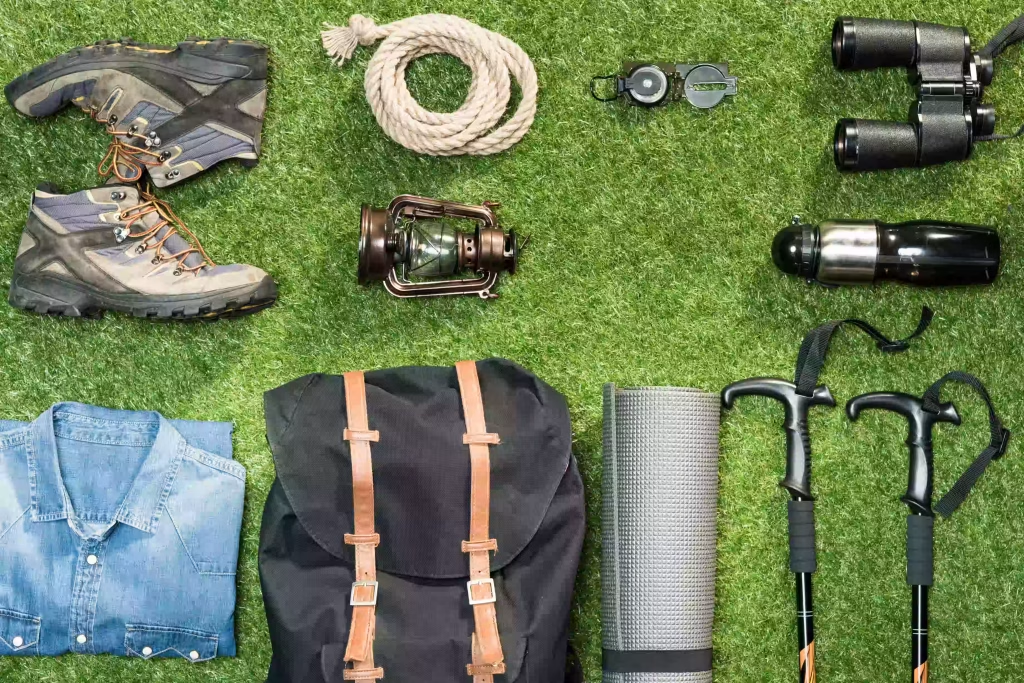
Proper gear is crucial for a successful Kilimanjaro climb. Packing the right equipment ensures safety and comfort throughout the trek. A well-prepared packing list can make all the difference. Layering clothing is vital as temperatures on Kilimanjaro vary widely. You’ll encounter climates ranging from tropical to arctic. Each layer should serve a purpose, including warmth, weather resistance, and moisture management.
Suggested clothing layers:
- Base layer: Moisture-wicking thermals
- Mid layer: Insulating fleece or down jacket
- Outer layer: Waterproof and windproof shell
Footwear is another essential consideration. Sturdy, well-fitting hiking boots provide support and protection on rugged paths. Breaking in your boots before the trek helps avoid blisters.
Additional essential gear:
- Backpack: Comfortable, with a capacity of 30-40 liters
- Sleeping bag: Rated for sub-zero temperatures
- Headlamp: With extra batteries
Frequently Asked Questions About Climbing Kilimanjaro
Accessories such as gloves, hats, and sunglasses are small yet significant. They offer protection against harsh sun and cold winds. A good sun hat is indispensable during sunny day climbs. Make sure to pack hydration systems like water bottles or hydration bladders. Staying hydrated is crucial at high altitudes. Easily accessible water aids consistent hydration throughout the trek. You’ll need a quality daypack to carry daily essentials. It should contain items like snacks, a first-aid kit, and a rain jacket. Essentials should be easy to reach and organized. A well-stocked first-aid kit is another must-have. Include basic medications, band-aids, and altitude sickness remedies. Being prepared for minor ailments is essential on the mountain.
Lastly, bring a camera to capture the journey and magnificent views. Many climbers find the visual memories one of the most rewarding aspects of the adventure. Documenting your experience is a cherished memento. Planning your gear and packing strategically make your Kilimanjaro experience more rewarding. With the right equipment, you’ll be ready for any challenges the mountain presents.
Many aspiring climbers have questions about their upcoming adventure. Here, we address some common queries to help you prepare for the journey to the Mt Kilimanjaro summit.
How difficult is the climb?
The climb is strenuous but achievable with proper preparation. Good fitness, acclimatization, and mental strength are essential. Kilimanjaro does not require technical climbing skills.
What is the best time to climb Kilimanjaro?
The best months are during the dry seasons: January to March and June to October. These months typically offer more stable weather and better visibility.
Do I need a guide to climb Kilimanjaro?
Yes, it is mandatory to have a licensed guide. They ensure your safety and assist with navigation. They also offer support and local knowledge.
What’s the deal with altitude sickness?
Altitude sickness is a risk due to the high elevation. Proper acclimatization is critical. It’s advised to ascend slowly and recognize symptoms early.
What should I pack for the climb?
Pack essentials for varying climates. This includes:
- Layered clothing for temperature changes
- Quality hiking boots
- Sleeping bag for cold nights
Are there camping options on the mountain?
Yes, most routes involve camping. The Marangu Route offers hut accommodations, unlike other routes. Here’s what to expect at camps:
- Shared dining tents
- Basic toilet facilities
- Communal sleeping tents
Understanding these aspects can enhance your Kilimanjaro experience. Proper preparation and knowledge will support your successful ascent.
The Summit Push: What to Expect on Summit Night
Summit night on Kilimanjaro is the most challenging part of the climb. It demands both physical and mental resilience from every climber. Starting before midnight, trekkers embark on the final ascent towards Uhuru Peak. The early start is crucial. It allows climbers to reach the summit by sunrise, offering a breathtaking view of the first light over Africa. Trekking in the dark requires the use of headlamps, illuminating the path and guiding each step forward. Temperatures at this altitude plummet, often falling well below freezing. Layered clothing is essential to protect against the cold. Thermal gloves, a warm hat, and multiple layers help maintain body warmth. The pace is deliberately slow to manage the effort and counteract the effects of altitude. Guides often urge the “Pole Pole” (slowly, slowly) approach, essential for safety and acclimatization. This rhythm supports stamina and increases the likelihood of success. Climbers must remain vigilant for signs of altitude sickness. Symptoms include dizziness, headaches, and nausea, which can intensify as elevation increases. Guides are trained to identify these signs and provide appropriate assistance. Hydration is pivotal, even in cold conditions. Climbers are encouraged to sip water regularly, preventing dehydration. Staying well-hydrated aids in acclimatization and keeps energy levels stable.
Items to carry during the summit push:
- Insulated water bottle
- Energy-dense snacks
- Headlamp and extra batteries
- Personal medications for altitude
Reaching the summit involves enduring steep inclines and switchbacks. Each step at this stage demands substantial effort, testing physical limits and willpower. As you approach Stella Point, the terrain begins to flatten, offering a glimpse of the summit. Upon reaching Uhuru Peak, emotions are palpable. The reward of panoramic views and the realization of standing atop Africa is profound. Many climbers describe it as a life-changing moment, worth every struggle endured on the way up. Descent usually begins after a brief time at the summit, as the body’s exposure to high altitude is limited. Despite tiredness, descending feels quicker, buoyed by the elation of achievement and the promise of rest.
Acclimatization and Altitude Sickness: Staying Safe
Climbing Kilimanjaro demands a mindful approach to acclimatization. Altitude sickness can affect anyone ascending quickly. Recognizing and addressing symptoms promptly is critical for safety. Altitude sickness, or acute mountain sickness (AMS), often presents with headaches and nausea. It occurs as your body struggles to adapt to lower oxygen levels. The key to mitigating AMS is to ascend slowly, allowing the body time to adjust. The “Pole Pole” method is an effective acclimatization strategy. This Swahili phrase means “slowly, slowly.” Moving at a gradual pace reduces the likelihood of altitude sickness.
Key acclimatization strategies:
- Climb high, sleep low: Gain altitude during the day, descend to sleep.
- Stay hydrated: Drink plenty of fluids to combat dehydration.
Adequate rest and nutrition also support acclimatization. Eating energy-rich foods replenishes the calories burned. Resting allows your body to recover and adjust more efficiently.
Symptoms of altitude sickness:
- Mild: Dizziness, shortness of breath, fatigue
- Severe: Confusion, inability to walk, fluid in the lungs
Listening to your body is essential during the climb. Ignoring severe symptoms may lead to dangerous conditions. Evacuate and descend immediately if symptoms worsen. It’s wise to consult a physician before your trek. They may recommend medications like acetazolamide to aid acclimatization. These drugs can mitigate altitude symptoms but should not replace caution. Acclimatization days can be incorporated into your trekking itinerary. These rest days improve summit success rates. They’re especially useful on longer treks, such as the Lemosho route. Resilience and preparation are your allies on the mountain. Understanding altitude’s impact helps climbers navigate their journey safely. With knowledge and care, you can reach the summit without undue risk.
- Expansion of educational facilities: Enhancing literacy and skills
- Investment in renewable energy: Promoting sustainable solutions
- Support for local entrepreneurship: Encouraging innovation and self-reliance
As Tanzania looks to the future, its people continue to demonstrate resilience and hope. The country’s efforts to embrace change while maintaining cultural identity remain a testament to its spirit.
Environmental Impact and Responsible Trekking
Mount Kilimanjaro, a UNESCO World Heritage site, is a natural wonder with unique ecosystems. As more adventurers aim for its summit, managing environmental impacts becomes crucial. Climbers can help by embracing responsible trekking practices. Minimizing waste is essential. Trekking groups should ensure that all trash is carried back from the mountain. Following the ‘Leave No Trace’ principles protects Kilimanjaro’s pristine environment. Climbers should stay on designated paths to prevent soil erosion and damage to vegetation.
Responsible trekking practices include:
- Using biodegradable products
- Carrying out all waste
- Respecting wildlife
Guides play a significant role in reinforcing environmental stewardship. They educate climbers on sustainable practices and lead by example, showing how to preserve the mountain for future generations. Climbers should support eco-friendly tour operators. Opt for those committed to conserving Kilimanjaro’s environment. Such operators invest in sustainable gear and practices, reducing the ecological footprint.
Kilimanjaro Success Rates and Tips for Reaching the Summit
The success rate for climbers reaching Mount Kilimanjaro’s summit varies by route and preparation. On average, approximately 60% to 70% of climbers make it to Uhuru Peak. Selecting the right route enhances summit success. Routes that allow longer acclimatization periods generally report higher success rates. The Northern Circuit and Lemosho Route are recommended for this reason. Proper acclimatization is critical. Climbers should choose itineraries of eight or more days to maximize their body’s adaptation to Kilimanjaro’s altitude. Extra days increase acclimatization and enhance the trek’s enjoyment.
Factors that boost summit success:
- Optimal route selection
- Adequate acclimatization schedule
- Experienced, qualified guides
Training prior to the climb is essential. Physical fitness supports endurance and reduces fatigue. Cardiovascular exercises and strength training lay a foundation for the demanding trek. Nutrition and hydration are vital throughout the climb. Regular meals high in energy and staying hydrated help maintain strength and stamina. Many find energy snacks and electrolyte drinks beneficial.
Key tips to increase chances of summit success:
- Drink a minimum of 3-4 liters of water daily.
- Pace yourself consistently with the “Pole Pole” technique.
- Eat well to fuel your body efficiently.
Mental tenacity is as important as physical readiness. The trek tests resolve, especially during challenging weather and terrain changes. Maintaining a positive mindset is crucial for overcoming obstacles. Listening to guides is imperative. They offer invaluable insights and support throughout the climb. Trust their judgment on pace, rest, and any altitude-related symptoms. Despite preparation, some climbers may face the need to turn back. Prioritizing health and safety is essential. The mountain will always be there for another attempt, but safety should never be compromised.
Life on the Mountain: Camps, Food, and Support Crew
Life on Mount Kilimanjaro is an adventure full of challenges and rewards. Climbers encounter diverse terrains and climates, from rainforest to alpine desert. Each day on the mountain offers a unique experience and requires endurance and adaptability. Camps on Kilimanjaro are set up at various altitudes, providing trekkers with rest and refreshment. After each day’s climb, you arrive at a pre-established camp. These camps serve as a temporary home, offering a vital opportunity for recuperation.
Types of camps on Kilimanjaro include:
- Public camps: Shared spaces with essential amenities.
- Private camps: Exclusive setups offering more privacy and comfort.
Camps vary based on the route chosen. Some, like those on the Marangu Route, feature huts, while others are tent-based. It’s essential to have a good sleeping bag to stay warm and comfortable, especially as temperatures drop at higher altitudes. The support crew plays a crucial role in ensuring climbers’ success. Comprising guides, cooks, and porters, the crew handles logistics and support functions. They navigate the mountain, carry gear, and prepare meals, making the climb feasible and enjoyable. A diverse menu is crafted to fuel climbers’ arduous days. Meals consist of energy-rich dishes, often adapted to local ingredients. Staples include rice, pasta, and hearty soups, supplemented by fruits and vegetables to maintain health and energy. The camaraderie with the crew and fellow climbers enhances the experience. Sharing stories and maintaining morale around campfires contribute to an unforgettable journey. Bonds formed on Kilimanjaro often last long after the trek concludes. Given the environment, it’s also crucial to practice environmental responsibility. Adhering to Leave No Trace principles ensures the mountain remains pristine for future adventurers. Trekkers should respect nature, pack out waste, and minimize their footprint.
Frequently Asked Questions About Climbing Kilimanjaro
Climbing Mount Kilimanjaro requires careful financial planning. Costs vary based on route, duration, and services included in the package. Expect to budget between $2,000 to $7,000. Permits are mandatory for all climbers. These fees contribute to Kilimanjaro National Park’s conservation. The permits include camping and rescue fees. When planning, factor in gear rental and tips. Guides, porters, and cooks rely on tips for their earnings. Budget around 10% to 15% of your total tour cost for tips.
Typical costs may include:
- Guide and porter fees
- Meals and accommodation
- Transportation to and from the park
Booking with a reputable tour operator is essential. Look for companies accredited by governing bodies, ensuring safety standards and ethical practices. Research reviews and recommendations online. Deals may vary depending on the season. Booking during the dry season, when prices are higher, may ensure a more comfortable climbing experience. Careful planning enhances your Kilimanjaro experience. Allocate funds for unexpected expenses to ensure a stress-free adventure. Prioritize value and safety when choosing your trek.
Considerations for booking:
- Check for hidden fees in packages
- Ensure clarity on included services
- Confirm the operator’s environmental commitments
Conquering Mount Kilimanjaro
Reaching the Mt Kilimanjaro summit is a profoundly rewarding experience. Climbers often feel a deep sense of achievement. Standing at Uhuru Peak, you are on Africa’s highest point, and the feeling is indescribable.
The journey up Kilimanjaro is more than a physical challenge. It is a mental and emotional journey, one that tests your resolve and perseverance. Each step taken brings you closer to personal growth and self-discovery.
Climbing Kilimanjaro is an escape from the everyday hustle. The climb offers a chance to disconnect from technology. Immersing yourself in nature allows for deep reflection.
The social aspect of the trek cannot be overlooked. You bond with fellow climbers and your support crew. These relationships can lead to lifelong friendships, born from shared struggles and triumphs.
Finally, the breathtaking views and diverse ecosystems leave a lasting impact. Witnessing everything from lush rainforests to barren alpine deserts is unforgettable. The experience brings a newfound appreciation for our planet’s wonders. Embarking on this adventure often changes perspectives on life. Many who reach the summit find themselves more resilient. It’s a journey that remains with you forever, a testament to human spirit and nature’s beauty.