


Climb kilimanjaro
Climbing Mount Kilimanjaro is a dream for many adventurers. It’s the highest peak in Africa, standing at 5,895 meters. But how hard is it to climb Kilimanjaro? This question lingers in the minds of aspiring climbers. The climb is not technical, but it is physically demanding. Altitude sickness is the main challenge due to the rapid ascent. There are several routes to the summit, each with its own difficulty level. The Marangu Route is considered the easiest, but it has a lower success rate. The Machame Route is popular for its scenic views and higher success rate. The Lemosho Route offers beautiful landscapes and a longer acclimatization period. Physical fitness is crucial for the climb. Training should include cardiovascular exercises, strength training, and hiking practice. Mental preparation is equally important. Climbers must handle both physical and psychological challenges. Proper gear, hydration, and nutrition are essential for a successful climb. Guided tours are recommended for safety and support.
Understanding Kilimanjaro: The Basics
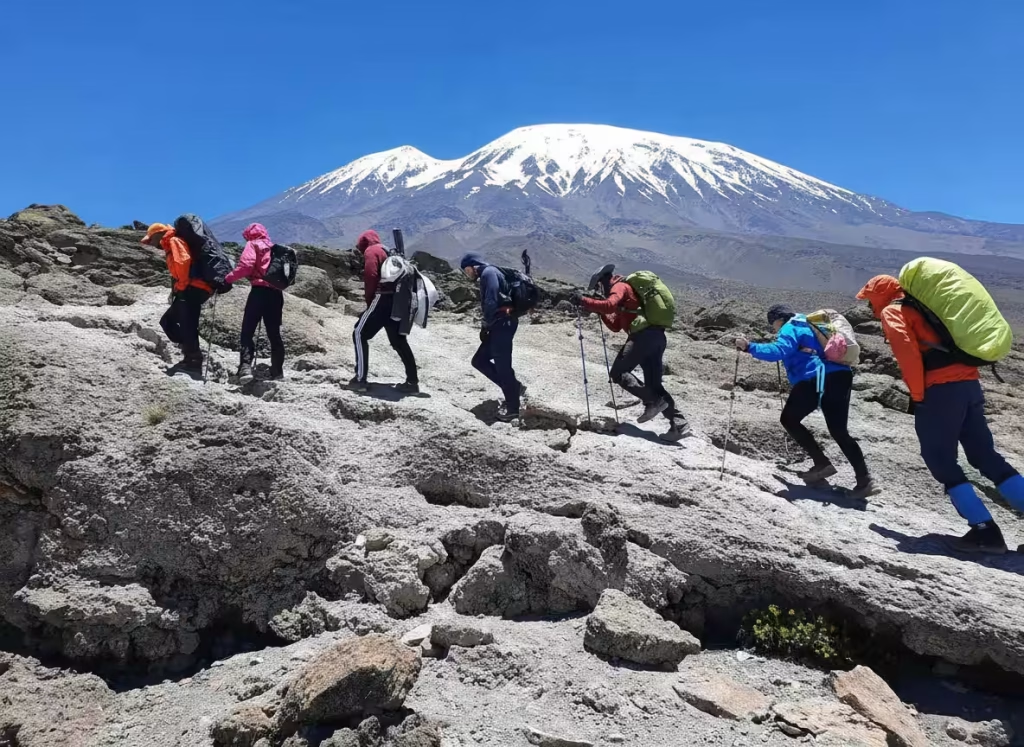
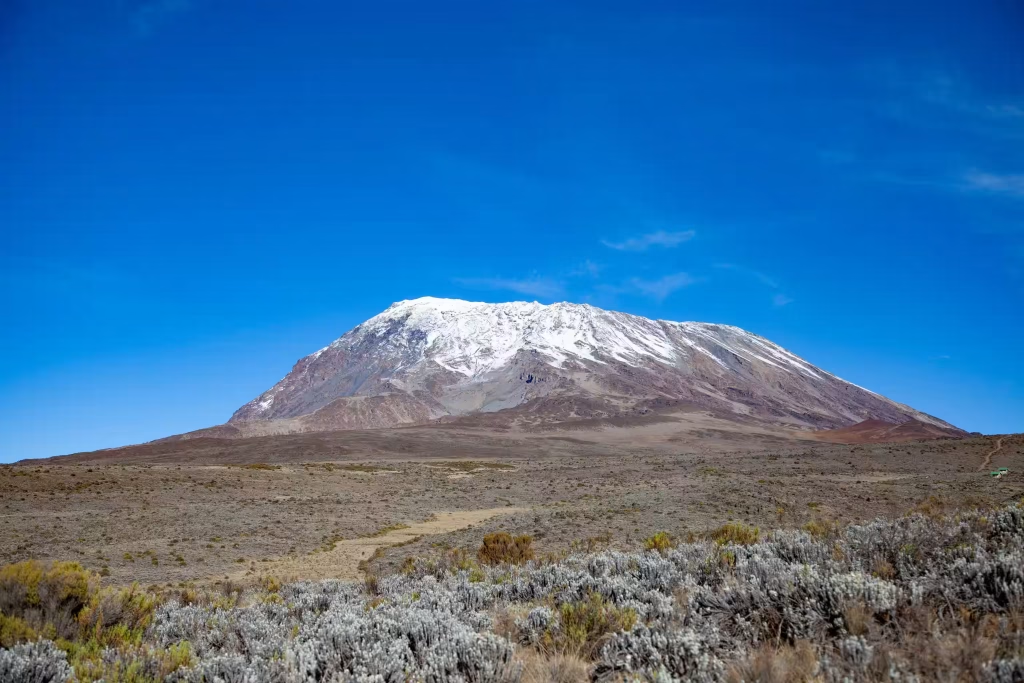
Mount Kilimanjaro is an iconic destination, revered globally by trekkers. It stands 5,895 meters high, earning it the title of Africa’s tallest peak. Kilimanjaro is unique as it doesn’t require technical climbing. However, its significant altitude presents real challenges for many climbers. This mountain is composed of three volcanic cones: Kibo, Mawenzi, and Shira. The summit, Uhuru Peak, is located on Kibo’s crater rim. Seven main routes lead to the summit. Each route varies in length, difficulty, scenery, and acclimatization period. Choosing the right route is crucial for success.
Key facts about Kilimanjaro:
- Location: Northeastern Tanzania
- Height: 5,895 meters (19,341 feet)
- Routes: Marangu, Machame, Lemosho, Rongai, Shira, Umbwe, Northern Circuit
- Climbing Season: Best during January-March and June-October
- Status: UNESCO World Heritage site
The mountain boasts diverse ecosystems, from lush rainforests to alpine deserts. Climbers experience varied landscapes, enhancing the trek’s allure. Despite its popularity, climbing it still demands respect and preparation. Climbers should be mindful of environmental conservation while enjoying its beauty.
Key Challenges Explained
Mount Kilimanjaro is a goal for many adventure enthusiasts. Yet, it tests climbers in unexpected ways. Despite its non-technical nature, it still poses significant challenges. One of the primary concerns is altitude sickness. It results from the rapid ascent without enough time for acclimatization, causing symptoms like headaches and nausea. Weather conditions add to the challenge. Climbers face diverse climates, from the hot base to the frigid summit. Being prepared for these shifts is crucial. Physical stamina is essential. The trek spans several days, requiring sustained effort. Climbers must be fit and ready to walk for hours daily. Route selection impacts difficulty. Some routes are longer and allow better acclimatization, while others are steeper and shorter, increasing the challenge. Success on Kilimanjaro also depends on mental resilience. The mental strain of the climb can be taxing, requiring focus and determination each day.
Challenges faced on Kilimanjaro include:
- Altitude sickness
- Harsh weather conditions
- Physical endurance requirements
- Route complexity and length
- Mental resilience needs
Finally, packing the right gear is vital. Quality equipment supports comfort and safety, ensuring climbers can tackle the mountain’s demands effectively.
Altitude: The Biggest Obstacle
Altitude is a formidable challenge on Mount Kilimanjaro. As you ascend, oxygen levels decrease, making breathing harder. This thin air can lead to altitude sickness, the main concern for climbers. Altitude sickness presents various symptoms, ranging from mild to severe. Climbers may experience headaches, dizziness, and fatigue, among other symptoms. These can worsen quickly if not managed properly. Understanding altitude sickness is crucial for climbers. Being aware of early signs helps in taking preventive measures. Rest, hydration, and gradual ascent are key strategies for managing symptoms. Acclimatization is the best strategy to combat altitude effects. “Climb high, sleep low” is a common technique. This involves ascending during the day and descending to sleep at a lower elevation, which can aid in adjusting to high altitudes. Different Kilimanjaro routes offer varied acclimatization opportunities. Longer routes generally allow more time for the body to adjust. This can be a critical factor in determining the success of your climb.
Preparations to minimize altitude issues include:
- Selecting a longer route
- Maintaining hydration and nutrition
- Listening to your body
- Taking rest days as needed
- Using medications if necessary, with medical advice
Despite its challenges, summiting Kilimanjaro is possible with proper care. Monitoring your condition and making informed decisions are vital for a safe ascent. Ultimately, respecting altitude’s impact is crucial. Staying vigilant about its effects can help ensure a successful and safe climb.
Nutrition, Hydration, and Staying Healthy
Proper nutrition plays a vital role in tackling Kilimanjaro. Your body needs energy and nutrients to handle the exertion and altitude. Consuming a balanced mix of carbohydrates, proteins, and fats is essential. Regular hydration is equally important. Dehydration can worsen altitude sickness and reduce performance. Aim to drink at least 3 to 4 liters of water per day during the climb. Snack wisely to maintain energy levels. Quick, high-energy snacks are helpful between meals. Consider packing:
- Nuts and Seeds: Great for protein and healthy fats.
- Energy Bars: Compact and convenient for quick fuel.
- Dried Fruits: Easy to carry, providing natural sugars.
Staying healthy isn’t just about food and water. Keep your hands clean with sanitizer to prevent infections. Pay attention to your body’s signals; rest whenever necessary. Balancing food, hydration, and hygiene will greatly improve your climbing success and enjoyment.
Kilimanjaro Routes: Which Is the Hardest?
Mount Kilimanjaro offers several routes, each with unique challenges. Choosing the right one depends on your experience and preference. The Marangu Route, also known as the “Coca-Cola route,” is considered the easiest. However, it has a lower success rate due to shorter acclimatization. It’s popular for its hut accommodations but isn’t ideal for beginners aiming for a high success rate. The Machame Route is more challenging but visually rewarding. Known as the “Whiskey route,” it requires endurance but offers better acclimatization time. Climbers enjoy breathtaking views of the varied landscapes. For those seeking a quieter and scenic path, the Lemosho Route is recommended. It provides excellent acclimatization time, increasing the chances of summit success. It’s best for trekkers with ample time. The Rongai Route approaches the mountain from the north and is less crowded. It is moderately difficult and gradually ascends, which helps with acclimatization. The Northern Circuit is the longest and most comprehensive, maximizing acclimatization and offering high success rates. Its extended duration is ideal for those who wish to explore more and increase their chances of summiting.
Here’s a brief breakdown of the main routes:
- Marangu Route: Easiest, shorter acclimatization.
- Machame Route: Challenging, scenic views.
- Lemosho Route: Longer, quieter, good acclimatization.
- Rongai Route: Less crowded, moderate difficulty.
- Northern Circuit: Longest, best acclimatization.
Your choice affects the Kilimanjaro difficulty. Assess your fitness, time, and desired experience before decidin
Physical Fitness and Training for Kilimanjaro
Climbing Kilimanjaro requires a solid level of physical fitness. It is not a technical climb, but the journey is demanding. Your fitness regimen should focus on building stamina and strength. Cardiovascular exercises such as running, swimming, or cycling can boost your endurance levels. Aim for at least three to five sessions per week. Hiking practice is vital as well. Train on varied terrains to simulate actual climbing conditions. Your feet should become accustomed to long walks and uneven surfaces. Strength training is equally crucial. Strengthen your core, legs, and back to handle the physical stress of the climb. Include squats, lunges, and planks in your routine. Don’t forget the importance of flexibility. Stretching can prevent injuries and ease muscle tension. Incorporate yoga or regular stretching into your schedule.
Here is a suggested weekly training plan:
- Monday: Long hike or walk (terrain simulation)
- Tuesday: Cardiovascular exercise (running or cycling)
- Wednesday: Strength training (focus on legs and core)
- Thursday: Rest or yoga for flexibility
- Friday: Short hike or brisk walk
- Saturday: Cardio and strength combined (circuit training)
- Sunday: Rest da
Consistency is key. Start training several months before your climb date. This preparation helps your body adjust to increasing demands. Remember, physical readiness isn’t just about endurance. The varied fitness components combined prepare you for the real challenges of Kilimanjaro.
Guided Tours vs. Independent Treks
Choosing between a guided tour and an independent trek on Kilimanjaro is an important decision. Each offers distinct experiences and challenges. Guided tours provide structured support and expertise, crucial for safety. Tour operators handle permits, logistics, and gear, allowing you to focus on the climb. This support is valuable for first-timers and those unfamiliar with the terrain. Moreover, they offer local knowledge which enriches your experience. In contrast, an independent trek offers more flexibility and a sense of adventure. However, it demands thorough preparation. Consider these factors when deciding:
- Safety Considerations: Guided tours ensure experienced guidance.
- Cost Implications: Independent treks can be cost-effective if managed well.
- Personal Experience: Decide how much independence and support you desire.
Ultimately, both options require serious planning and preparation for a successful climb.
Mental Preparation: The Psychological Side of the Climb`
Climbing Kilimanjaro isn’t just a physical challenge; it’s a mental ordeal as well. The journey demands significant mental fortitude. Psychological preparation involves readying yourself for the emotional highs and lows. Expect moments of doubt and triumph throughout the ascent. Visualization techniques can be highly effective. Picture yourself overcoming challenges and reaching the summit. This strengthens your resolve and focus. Maintaining a positive mindset is crucial. Negative thoughts can undermine your effort. Replace them with affirmations of your capabilities.
To enhance mental resilience, consider:
- Setting Realistic Goals: Break the climb into smaller, manageable parts.
- Building Mental Endurance: Gradually increase your exposure to mental stressors.
- Practicing Mindfulness: Regular meditation can help you stay present and calm.
- Preparing for Setbacks: Accept that there may be unexpected hurdles and plan flexible responses.
Your mental preparation should not be overlooked. It significantly impacts your ability to conquer Kilimanjaro. Embrace the mental challenge as part of your adventure.
Acclimatization and Success Rates
Acclimatization is a crucial factor affecting your success on Kilimanjaro. Rapid altitude ascent can lead to altitude sickness. Without proper acclimatization, your chances of reaching the summit decrease. The body needs time to adjust to lower oxygen levels. Choosing a route with a longer acclimatization period can improve your success rate. This allows your body to adapt gradually. “Climb high, sleep low” is a popular strategy. You ascend to higher altitudes during the day but descend to sleep. This approach helps your body adjust effectively.
Here are strategies to improve acclimatization:
- Select Longer Routes: Opt for routes like Lemosho or Northern Circuit.
- Monitor Health Regularly: Stay alert to altitude sickness symptoms, such as headaches and nausea.
- Stay Hydrated: Proper hydration supports better acclimatization.
- Implement Acclimatization Days: Include rest days in your itinerary.
The overall success rates for summiting Kilimanjaro are about 65-75%. With careful planning and acclimatization, your chances rise. Remember, respecting the mountain and its environment is as vital as respecting your limits. Balancing these aspects ensures not only a successful climb but a safe one as well.
Common Myths and Misconceptions About Kilimanjaro Difficulty
Mount Kilimanjaro draws many with dreams of adventure. But misconceptions about its difficulty can deter potential climbers. Let’s clear up a few common myths. One myth is that Kilimanjaro is easy due to its non-technical routes. While technical skills aren’t needed, the trek demands physical endurance and mental resilience. Another misconception is that any fit person can summit without preparation. This can be a dangerous assumption.
Here are some myths debunked:
- “It’s just a walk”: Though no ropes are needed, climbing demands strength and stamina.
- “Acclimatization isn’t necessary”: Altitude affects everyone differently; proper adjustment is key.
- “Guides and porters carry everything”: They assist, but personal effort is significant.
Understanding these misconceptions helps climbers prepare effectively, leading to a safer and more rewarding adventure. Proper preparation and respect for the mountain are essential for success.
Weather and Environmental Conditions
Climbing Kilimanjaro involves navigating diverse climates. The journey starts in warm, lush forests and ends in cold, icy conditions. Understanding these weather changes is essential for a successful ascent. You can experience heavy rains, intense sun, and chilling winds. The mountain’s weather can shift rapidly. Therefore, climbers must be prepared for any situation.
Each climatic zone presents unique challenges:
- Rainforest: Wet and humid conditions at the base.
- Heath and Moorland: Cooler, with increasing sun exposure.
- Alpine Desert: Dry air and significant temperature fluctuations.
- Arctic: Extremely cold with high winds near the summit.
The best times for climbing are during the dry seasons. These include January to March and June to October. Though Kilimanjaro is near the equator, its height creates these varied climates. Proper preparation for this weather spectrum enhances your safety and comfort. Each layer of the trek reveals the mountain’s stunning diversity. You will find each zone both challenging and awe-inspiring.
Essential Gear and Packing Tips
Packing the right gear for Kilimanjaro can make or break your climb. High-quality equipment can enhance both safety and comfort during the ascent. Layering is crucial as you will travel through various climates. Proper clothing includes base layers, insulating layers, and a waterproof outer shell. Sturdy, waterproof hiking boots are vital for your footing in all conditions.
You’ll need basic items to ensure a smooth climb. Here’s a quick list of essentials:
- Backpack: With a rain cover and supportive straps.
- Sleeping Bag: Rated for sub-zero temperatures.
- Trekking Poles: To assist with stability and reduce joint strain.
- Headlamp: With extra batteries for the summit night.
Don’t overlook items like a wide-brimmed hat and high-SPF sunscreen for protection against sun exposure. Your packing should prioritize comfort and practicality over style. Proper gear significantly impacts your experience, turning a tough climb into a memorable adventure. Always double-check your equipment list to avoid forgetting anything important.
Summit Night: The Toughest Part of the Climb
Summit night on Kilimanjaro is where the ultimate challenge unfolds. This is often described as the most grueling part of the journey. Climbers begin the final ascent in the dead of night. The climb to Uhuru Peak is steep and cold. Temperatures can plummet below freezing. Darkness adds to the difficulty, but the tranquility of a midnight ascent is unique. Mental fortitude is crucial during this phase. Fatigue and exhaustion are common. Yet, the promise of sunrise on the horizon keeps spirits high. Physical preparation shows its worth here. Strong legs and lungs are vital for pushing through the harsh conditions. Slow, steady pacing is advised to conserve energy.
Here are key points to consider for summit night:
- Start Time: Begins around midnight to reach the summit by sunrise.
- Elevation: Ascending up to 1,200 meters (3,937 feet) in elevation.
- Weather Conditions: Extremely cold with potential for wind and snow.
- Headlamp: With extra batteries for the summit night.
Perseverance and resilience pay off as climbers reach the peak. The sight of the world unfurling below is the ultimate reward. A moment of triumph that makes every hardship worthwhile.`
Safety, Risks, and Responsible Climbing
Climbing Mount Kilimanjaro comes with inherent risks, primarily due to its high altitude. Understanding and preparing for these risks is crucial for a successful ascent. Altitude sickness, injury, and weather extremes can threaten climbers without adequate preparation.bv Responsible climbing is vital. This involves respecting local customs, following environmental guidelines, and being mindful of fellow trekkers. Engage with local guides who offer expertise and enhance safety through their knowledge of the mountain.
To mitigate risks and climb responsibly, consider these tips:
- Acclimatize gradually to help adjust to altitude.
- Stay informed about potential symptoms of altitude sickness.
- Respect the environment by leaving no trace and minimizing impact.
- Strong emphasis on community and family bonds
How hard is it to Climb kilimanjaro
Final Thoughts: Is Climbing Kilimanjaro Worth the Challenge?
Standing atop Mount Kilimanjaro is a life-changing experience. The vast landscapes inspire awe and reflect nature’s true beauty. This adventure leaves a lasting impression. The journey tests every climber’s resolve. Conquering fears and challenges creates powerful memories. Such experiences foster personal growth and resilience. Kilimanjaro is more than a physical feat. It symbolizes freedom and achievement. Each climber forms a unique connection with this majestic mountain. Cherish the friendships forged during the climb. Shared triumphs and trials bond fellow adventurers forever. These relationships highlight the climb’s emotional rewards.