


Conquering Mount Kilimanjaro: A Summit Guide
Mount Kilimanjaro stands as a beacon for adventurers worldwide. Its majestic peak, Uhuru, is the highest point in Africa. This iconic mountain is located in Tanzania, a country rich in natural beauty. Climbing Kilimanjaro is a dream for many. It offers a unique challenge and a chance to experience diverse climates. From lush rainforests to arctic conditions, the journey is unforgettable. The mountain is part of the Kilimanjaro National Park. It attracts thousands of climbers each year. Many routes lead to the summit, each with its own charm and difficulty. Preparation is key for a successful climb. Understanding the routes, climate, and necessary gear is essential. Acclimatization is crucial to avoid altitude sickness. Kilimanjaro is not just a physical challenge. It is a journey of self-discovery and personal growth. The climb tests endurance, mental strength, and determination. The mountain’s beauty is awe-inspiring. Its snow-capped peak is a symbol of Africa’s grandeur. Reaching the summit is a moment of triumph and joy. Kilimanjaro is more than a mountain. It is a cultural icon and a testament to nature’s power. The climb is a chance to connect with the natural world and oneself. For those who seek adventure, Kilimanjaro offers an unparalleled experience. It is a journey that leaves a lasting impression. The magic of Kilimanjaro awaits those who dare to climb.
Mount Kilimanjaro at a Glance: Facts and Location
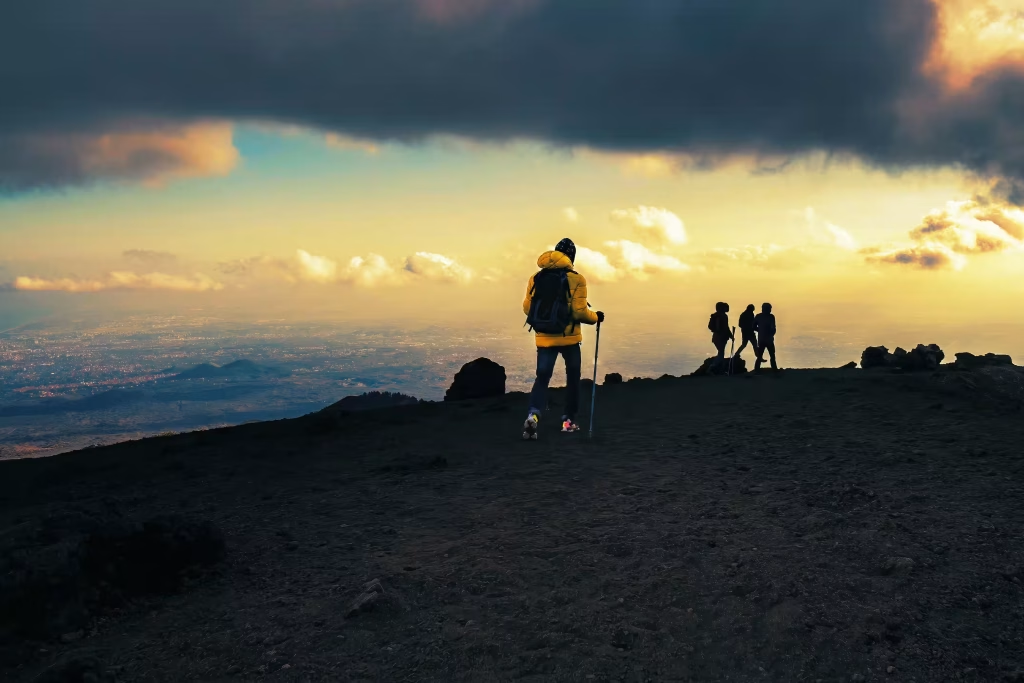
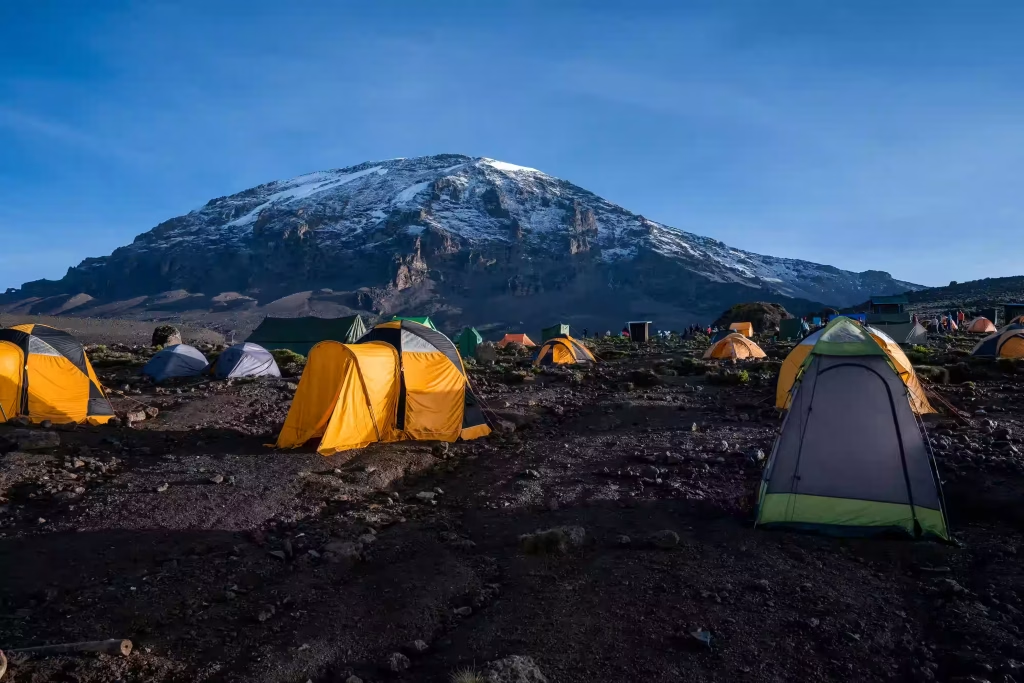
Mount Kilimanjaro, Africa’s tallest peak, rises to 5,895 meters (19,341 feet). It is the world’s tallest free-standing mountain. Located in northern Tanzania, it is part of Kilimanjaro National Park. This dormant volcano boasts three distinct cones. These are Kibo, Mawenzi, and Shira. Uhuru Peak, the summit on Kibo, marks the highest point. Kilimanjaro’s location offers a stunning array of views. From its slopes, the vast African plains stretch endlessly. On clear days, distant views of the Serengeti are possible. Geographically, Kilimanjaro sits near the equator. Despite this, it has a snowy cap. The mountain’s glaciers glitter under the African sun. A destination for trekkers, Kilimanjaro attracts adventurers from across the globe. Its routes vary in length and difficulty, catering to different skill levels.
Here’s a quick look at Kilimanjaro:
- Height: 5,895 meters (19,341 feet)
- Location: Tanzania, Africa
- Volcanic Cones: Kibo, Mawenzi, Shira
Climbing season peaks between January-March and June-October. The dry season provides the best conditions for climbers. The cultural significance of Kilimanjaro is vast. It holds a special place in local Tanzanian lore. Known as “The Mountain of Greatness,” it embodies resilience and triumph. Kilimanjaro’s unique biodiversity includes multiple climate zones. From tropical forests to arctic tundra, it’s a trek through ecosystems. This diversity contributes to its status as a UNESCO World Heritage Site.
The History and Significance of Kilimanjaro
Mount Kilimanjaro’s history is rich with exploration and wonder. The first recorded ascent was in 1889, achieved by Hans Meyer and Ludwig Purtscheller. Since then, Kilimanjaro has become a symbol of human endurance and adventure. Cultural importance permeates the mountain’s story. Locally, it is revered by the Chagga people, who inhabit its slopes. For them, it symbolizes spirituality and strength, intertwined with their daily lives and traditions. Historical explorations of Kilimanjaro captivated many. Its snow-capped summit intrigued Victorian-era explorers. These early journeys fueled myths and legends about its mystical allure. This allure continues to inspire climbers worldwide. Its significance extends beyond physical challenges. Kilimanjaro acts as a beacon for personal achievement. Climbers regard reaching its summit as an extraordinary accomplishment. Such feelings reflect the mountain’s capacity to evoke dreams.
Historical highlights of Kilimanjaro include:
- 1889: First successful ascent by Hans Meyer and Ludwig Purtscheller
- 1973: Declared a national park to preserve its unique environment
- 1987: Kilimanjaro recognized as a UNESCO World Heritage Site
Today, Kilimanjaro continues to connect people. From scientific studies to charitable climbs, it unites diverse objectives. Through its history, this mountain remains a monument to human aspiration and adventure.
Understanding Kilimanjaro on the Map: Geography and Routes
Mount Kilimanjaro stands proudly on the map of Africa, in Tanzania. It is located near the Kenya-Tanzania border, making it an easily accessible destination for adventurers. As the highest mountain in Africa, Kilimanjaro is a prominent feature on any map highlighting the continent’s tallest peaks. The mountain comprises three volcanic cones: Kibo, Mawenzi, and Shira. Kibo, with its summit at Uhuru Peak, is the tallest and most famous. Mawenzi and Shira add to Kilimanjaro’s distinct silhouette, offering additional exploration routes for climbers. Kilimanjaro’s routes are diverse, each with its unique experience. Understanding these routes on a map helps in choosing the best one for your climb. Familiarizing yourself with the geography facilitates navigation and adventure planning.
Here is a list of popular routes:
- Marangu Route: Nicknamed the “Coca-Cola” route for its popularity.
- Machame Route: Known for its scenic views and tougher challenge.
- emosho Route: Offers a longer, quieter trek.
- Rongai Route: Approaches from the north with fewer crowds.
- Northern Circuit: The longest route for excellent acclimatization.
- Shira Route: Similar to Lemosho but with a higher start.
Geographical features of Kilimanjaro vary dramatically. Climbers ascend from tropical rainforest to alpine desert, culminating in an arctic environment at the summit. This extraordinary diversity in such a compact area makes Kilimanjaro unique. Mapping out your adventure is crucial. Understand each route’s geography, difficulty, and daily itinerary. Use topographic maps or GPS for better insight into terrain and elevation changes. Finally, Kilimanjaro’s geography isn’t just about landforms. It’s about conquering a personal journey, tracing every ascent on the map, leading to the summit’s inspiring views. By consulting maps and guides, you can plan your climb effectively, ensuring an enriching Kilimanjaro experience.
Essential Tips for a Successful Kilimanjaro Summit
Preparation is key to conquering Mount Kilimanjaro. Comprehensive planning ensures a smoother journey to the summit. Begin by researching routes and conditions. Acclimatization cannot be overstressed. Choose a longer route to minimize altitude sickness risks. Manage your pace and maintain hydration. Fitness preparation pays off. Incorporate cardio and strength training into your routine. Simulate trek conditions to build endurance. Equip yourself with the right gear. Layered clothing addresses varied climate zones. Choose gear that balances warmth, lightweight, and breathability. Stay informed and alert. Listen to your guides and heed advice. Respond promptly to signs of altitude sickness or fatigue. Trust expert guidance.
Follow these essential tips:
- Monitor health closely
- Stay positive and mentally prepared
- Fuel with nutritious snacks
By heeding these insights, you’ll enhance your chances of reaching Uhuru Peak. Enjoy the journey as much as the destination. Celebrate your achievements at Africa’s highest point.
Essential Tips for a Successful Kilimanjaro Summit
Mount Kilimanjaro’s glaciers are rapidly shrinking. This is a striking symbol of climate change. The ice fields are predicted to disappear in decades. The loss of glaciers impacts local ecosystems. These ice masses are crucial for the region’s water supply. They support unique flora and fauna. Climate change is driven by global warming. It accelerates glacier melt, altering weather patterns. This poses challenges for climbing conditions. Conservation efforts are underway to protect Kilimanjaro. Authorities focus on sustainable tourism and forest preservation. Local and international collaborations are crucial for success.
Important conservation initiatives include:
- Marangu Route: Known as the “Coca-Cola” route, it’s famed for huts.
- Machame Route: Dubbed the “Whiskey” route, it’s scenic but steeper.
- Lemosho Route: Preferred for its beauty and remote access.
- Rongai Route: Offers a northern approach, known for fewer crowds.
- Northern Circuit: The longest route, optimal for acclimatization.
The Tallest Mountains in Africa: Kilimanjaro and Its Peers
Africa is home to some of the world’s most imposing mountains, with Kilimanjaro being the highest. Towering at 5,895 meters (19,341 feet), Kilimanjaro is an iconic destination for climbers and adventurers. Its grandeur and beauty draw people from all over the globe. While Kilimanjaro tops the list, Africa boasts other remarkable peaks. These mountains each have their own unique traits and challenges. Exploring these giants expands one’s appreciation for the continent’s topography. Mount Kenya, the second tallest peak in Africa, rises to 5,199 meters (17,057 feet). It provides climbers with a rugged and rewarding ascent. Known for its jagged peaks, it presents a technical climb that contrasts with Kilimanjaro’s trekking paths. The Rwenzori Mountains, also known as the Mountains of the Moon, are another notable range. Mount Stanley’s Margherita Peak is the highest in this range, reaching 5,109 meters (16,763 feet). The range features glaciers and diverse ecosystems, offering a unique climbing experience.
Here’s a quick list of Africa’s tallest mountains:
- Mount Kilimanjaro (5,895 m)
- Mount Kenya (5,199 m)
- Mount Stanley (Rwenzori Mountains, 5,109 m)
These mountains offer diverse experiences and challenges to climbers. Their majestic heights provide breathtaking views and a profound sense of achievement. The towering peaks of Africa represent more than geographical landmarks. They symbolize the challenges and triumphs faced by those who aspire to reach their summits. Climbing these mountains means achieving personal victories and pushing physical and mental limits. Each peak tells a story of courage, adventure, and the relentless spirit of exploration.
Climate Zones and Biodiversity on Kilimanjaro
Kilimanjaro offers a fascinating journey through distinct climate zones. At its base, you encounter lush, tropical rainforests. This vibrant zone teems with life, from towering trees to diverse wildlife. Ascending higher, the rainforest gives way to a moorland zone. Here, you find unique vegetation, including heathers and giant groundsels. The temperature drops, and the air becomes crisper. Next comes the alpine desert, a stark, rocky landscape. The air is dry, and the vegetation sparse, giving a sense of the mountain’s stark beauty. This transition marks a drastic change in climate. Finally, you reach the arctic summit zone. Temperatures plummet below freezing, and the ground is often snow-covered. This zone challenges climbers with its icy winds and thin air. Kilimanjaro’s biodiversity is rich and varied. Here’s a snapshot of the species you might encounter:
- Elephants and buffaloes in the rainforest
- Elands and sunbirds in the moorlands
- Rare plants like the giant lobelia and groundsel
- Birdlife including turacos and hornbills
Each climate zone on Kilimanjaro supports unique ecosystems. These range from the dense rainforest to the chilly arctic summit. The mountain offers a microcosm of diverse habitats found across Africa. Kilimanjaro’s biodiversity and climate zones make it a UNESCO World Heritage Site. This status highlights the mountain’s ecological importance and the urgent need for its conservation. The mountain’s ecosystems face threats from climate change and human activity. The journey through Kilimanjaro’s climate zones is more than a physical challenge. It’s a chance to witness the wonders of nature. This journey offers a deep connection to the diverse life that calls this mountain home. Climbers leave with memories of more than just reaching the summit; they experience nature’s tapestry.
Choosing Your Route: Detailed Overview of Kilimanjaro Routes
Mount Kilimanjaro, with its majestic presence, offers a variety of routes to the summit. Each path presents distinct challenges and breathtaking landscapes. These routes accommodate different levels of experience and preferences. One crucial decision is selecting the right route. This choice can significantly impact your climbing experience. Here’s a comprehensive overview of the primary routes up Kilimanjaro:
- Marangu Route: Known as the “Coca-Cola” route, it’s famed for huts.
- Machame Route: Dubbed the “Whiskey” route, it’s scenic but steeper.
- Lemosho Route: Preferred for its beauty and remote access.
- Rongai Route: Offers a northern approach, known for fewer crowds.
- Northern Circuit: The longest route, optimal for acclimatization.
Each route varies in length, scenery, and difficulty. Understanding these differences helps in making an informed decision. Let’s explore each route:
Kilimanjaro Tour Operators: How to Choose the Best
Choosing the right tour operator is crucial for a successful ascent. Experienced operators offer support and guidance. They enhance safety and enrich the climbing experience. Look for operators with strong reputations. Reviews and testimonials are valuable sources of information. Consider companies recommended by past climbers. Transparency in pricing is essential. Ensure the cost covers permits, meals, and accommodations. Hidden fees can cause budget issues during the trip. Consider operator ethics. Companies aligned with sustainable practices respect the environment. They also ensure fair wages and treatment for guides and porters.
Guidance for selecting the best operator:
- Check reviews and testimonials
- Ensure transparent pricing
- Prioritize sustainability and ethics
Personal interaction provides insight into a tour operator’s approach. Contact them with any questions. Responsive, knowledgeable answers indicate professionalism and care. By carefully selecting the right team, you’ll climb Kilimanjaro with confidence. A reputable operator ensures safety, allowing you to focus on the adventure.
Marangu Route
Marangu is the only route that provides hut accommodations. This makes it a favored choice for those who prefer more comfort during the climb. It’s relatively straightforward, making it popular among first-time climbers.
However, it’s often more crowded due to its popularity. While less physically demanding, its quick ascent may increase the risk of altitude sickness.
Machame Route
Known for its stunning scenic diversity, the Machame Route is a favorite among photographers. It offers a range of views from lush rainforests to striking ridges. This route is more challenging with steeper trails. Successful acclimatization is a critical consideration here. Climbers need to be prepared for strenuous days on their feet. It rewards with incredible vistas and a high success rate.
Lemosho Route
The Lemosho Route begins in the lush, remote western side of Kilimanjaro. It’s celebrated for its beautiful scenery and fewer trekkers. This route is excellent for those seeking a quieter trek with ample time for acclimatization. Climbers enjoy trekking through diverse ecosystems. This results in a gradual ascent, which aids in adjusting to altitude.
Rongai Route
Approaching from the north, the Rongai Route provides a unique perspective of Kilimanjaro. It’s known for its dry climate and stunning wilderness areas. Less trafficked than other routes, it promises solitude. Rongai offers a moderate climb with clear views of the Kenyan plains. It’s ideal for climbers looking for an off-the-beaten-path experience.
Northern Circuit
The Northern Circuit is the longest route on Kilimanjaro. It offers excellent acclimatization opportunities and immersive panoramic views. This path follows from the west, circling around to the northern slopes. It’s the newest route and offers a diverse array of views across the continent. The journey is less crowded and provides a genuine wilderness experience.
Shira and Umbwe Routes
The Shira Route shares a trailhead with Lemosho but starts at a higher altitude. It’s best suited for those already acclimatized. Umbwe, on the other hand, is the steepest and most challenging. Both routes present a more rugged adventure. They offer an authentic experience for seasoned trekkers seeking a challenge. In choosing a route, consider factors such as fitness level, acclimatization needs, and personal preference for solitude or comfort. Whether you opt for the bustling Marangu or serene Northern Circuit, each path leads to the breathtaking summit of Mount Kilimanjaro.
Shira and Umbwe Routes
The Shira Route shares a trailhead with Lemosho but starts at a higher altitude. It’s best suited for those already acclimatized. Umbwe, on the other hand, is the steepest and most challenging. Both routes present a more rugged adventure. They offer an authentic experience for seasoned trekkers seeking a challenge. In choosing a route, consider factors such as fitness level, acclimatization needs, and personal preference for solitude or comfort. Whether you opt for the bustling Marangu or serene Northern Circuit, each path leads to the breathtaking summit of Mount Kilimanjaro.
Altitude Sickness and Safety: Risks, Deaths, and Prevention
Ascending Mount Kilimanjaro is an exhilarating adventure, yet altitude sickness remains a prominent concern. As you climb higher, the air thins, reducing oxygen levels in your body. This can lead to Acute Mountain Sickness (AMS), characterized by headaches, nausea, and dizziness. Awareness of altitude sickness symptoms is crucial. If ignored, AMS can escalate to more severe conditions such as High Altitude Pulmonary Edema (HAPE) or High Altitude Cerebral Edema (HACE). These can be life-threatening without prompt action. Deaths on Kilimanjaro are rare but occur. They are primarily due to complications from altitude sickness. Ensuring a steady, gradual ascent helps in effective acclimatization. Prevention is key. Choose longer routes, like the Lemosho or Northern Circuit, which allow more time for acclimatizing. Listening to your body and not rushing can greatly reduce risks. Most trekkers find climbing Kilimanjaro safe with proper precautions. Tour operators advise climbers on safety practices and often carry oxygen tanks and first-aid kits. Guides are trained to spot early signs of altitude sickness and may require climbers to descend if symptoms worsen. Hydration plays a significant role in combating altitude sickness. Drinking ample water daily helps maintain your body’s equilibrium. Also, avoiding alcohol and caffeine is recommended as they can exacerbate symptoms.
Safety tips include:
- Monitoring for altitude sickness symptoms
- Taking slow, deliberate steps
- Drinking plenty of water
- Avoiding alcohol and caffeine
- Prioritizing rest and recovery
Safety can’t be overstated. By respecting the mountain and its potential dangers, you boost your chances of a successful, enjoyable summit.
The Descent: Returning from the Roof of Africa
Descending from Uhuru Peak begins almost immediately after summiting. The air is thin, and temperatures remain low. Your guide will encourage a steady start downhill. Gravity assists your descent but be cautious of loose gravel. The trek down places strain on knees and requires careful footwork. Short breaks help manage fatigue and prevent injuries. Descending is generally quicker. However, tiredness may tempt you to rush. Slow, deliberate steps ensure a safe journey and prevent mishaps. Balance caution with speed to avoid accidents.
Important aspects to consider during descent:
- Slow, steady pace
- Mindful of foot placement
- Regular short breaks
Scenery changes swiftly as you lower in altitude. Vegetation returns, providing a lush contrast to the summit’s starkness. The senses gradually recover from the summit’s harshness, welcoming the fresh mountain air. Completing the descent is equally rewarding. Reflection on the journey inspires pride and gratitude. You have experienced the Roof of Africa and conquered its majestic heights.
What to Expect on the Mountain: Day-by-Day Experience
Climbing Mount Kilimanjaro is more than just reaching the summit. It is a journey through changing landscapes and climates. Each day on the mountain offers new challenges and rewards.
Day 1: Most climbs begin at Kilimanjaro National Park’s gate. There, you’ll meet guides and porters who will support you. As you set off, you’ll walk through lush rainforests, with towering trees and vibrant birdlife.
Day 2: As you ascend, the forest gradually gives way to moorland. This new environment features exotic plants and rugged terrain. The path can be steep, testing your stamina and resolve.
Day 3: The landscape transforms into alpine desert, with fewer plants. Here, the air becomes thinner, and temperatures drop significantly. This is where good acclimatization is critical to adjust to the high altitudes.
Day 4: Your body may start feeling the effects of reduced oxygen levels. It’s essential to maintain a steady pace and breathe deeply. The scenery offers stunning views, with fields of volcanic rock formations.
Day 5: Many routes include an acclimatization day, allowing rest and adaptation. Short hikes nearby help your body adjust, increasing the likelihood of summit success.
Day 6: This stage involves reaching the final base camp. Here, preparation for the night ascent to the summit begins. Trekking poles and headlamps are critical for this pre-dawn climb.
Key items for the summit night include:
- Warm layers
- Headlamp with spare batteries
- High-energy snacks
Day 7: The push to Uhuru Peak typically starts at midnight. Climbing under a starlit sky, you aim to reach the top by sunrise. Upon reaching the summit, breathtaking views make the strenuous climb worthwhile.
After savoring the summit experience, the descent begins. Careful footwork is necessary, as the trail can be slippery. The journey down offers reflection time on the extraordinary adventure. Throughout the climb, maintain hydration and nutrition to fuel your body. Regular water sips and snack breaks help sustain energy levels. Kilimanjaro’s journey is an inspiring experience, offering profound personal insights and a connection with nature. Prepare for amazing sights, tough trekking, and the camaraderie of fellow adventurers.
How Long Does It Take to Climb Kilimanjaro?
Climbing Mount Kilimanjaro is a significant undertaking. The time taken to reach the summit varies. It depends on the chosen route and acclimatization days. Most climbers spend between 5 and 9 days on the mountain. Longer treks allow for better acclimatization. This increases the chance of reaching the summit. Routes like the Marangu are shorter, typically taking 5 to 6 days. It’s essential to plan extra days for safe acclimatization. Pushing too quickly can increase altitude sickness risk. The Machame and Lemosho routes often take 6 to 8 days. These routes include more gradual ascents. Additional days maximize success rates and enjoyment. Longer routes, such as the Northern Circuit, can extend to 9 days or more. These provide ample time to acclimatize. More days also mean enjoying diverse landscapes.
Consider these timelines when planning:
- Marangu Route: 5-6 days`
- Machame Route: 6-8 days
- Lemosho Route: 7-9 days
- Rongai Route: 6-8 days
- Northern Circuit: 9+ days
When choosing a climb duration, weigh personal fitness levels and time availability. A well-planned schedule allows for a safer, more enjoyable expedition. Always prioritize health and safety over speed to ensure a successful summit.
How Hard Is It to Climb Mount Kilimanjaro?
Mount Kilimanjaro is not just a walk in the park. Although it requires no technical climbing skills, it presents unique challenges. Climbers must prepare physically and mentally for this adventure. The physical demands are considerable. A good level of fitness is essential. Hikers tackle steep ascents and long treks daily. Altitude is a significant hurdle. As you climb, oxygen levels decrease. This can lead to altitude sickness, making each step more demanding.m Weather conditions add to the difficulty. Climbers face shifting climates on their way to the summit. From tropical heat at the base to freezing temperatures at the peak, you need to adapt. Mental determination is crucial. The trek tests endurance and resolve. It’s important to stay motivated, even when the journey becomes tough. Routes vary in difficulty. Some, like the Machame and Lemosho, are more challenging. They require tackling steeper paths and longer treks.
Consider these difficulty factors:
- Physical fitness requirements
- Altitude effects and risks
- Varied weather conditions
- Route-specific challenges
- Mental toughness
For those unsure of their capabilities, proper preparation is key. Training ahead can ease these challenges significantly. Joining a guided tour can offer additional support, making the climb more manageable.
Preparing for the Climb: Training, Fitness, and Gear
Climbing Mount Kilimanjaro is a physical and mental test that requires thorough preparation. Your fitness level plays a crucial role in a successful summit attempt. While technical skills aren’t necessary, excellent stamina and endurance are. Pre-climb training should focus on cardiovascular fitness and strength. Engaging in hiking, walking on inclines, and stair climbing can mimic the conditions on the mountain. Including exercises like squats and lunges helps build leg strength essential for the trek.
Training tips include:
- Regular cardio sessions
- Strength training targeting legs and core
- Hikes with a weighted backpack
A well-balanced diet and adequate hydration during training enhance your performance and recovery. Prioritize nutrient-dense foods and maintain consistent hydration levels. Mental preparation is equally vital. Setting realistic goals and visualizing success boosts your confidence. Preparing for variable weather conditions and extended exertion aids in mental stamina. Choosing the right gear is pivotal for comfort and safety. Layers are essential given Kilimanjaro’s diverse climate zones. A moisture-wicking base layer, insulating mid-layer, and waterproof outer layer are recommended.
Key gear includes:
- Sturdy hiking boots
- Thermal clothing layers
- Quality trekking poles
Packing lightweight is beneficial since porters carry most gear. However, essentials for your day pack include water, snacks, and extra clothing. Acclimatization can be supported through high-altitude training programs, if accessible. These simulations help your body adapt before encountering Kilimanjaro’s reduced oxygen levels. Selecting reputable gear brands ensures reliability and durability. Investing in high-quality gear can make your experience more comfortable. Thorough preparation is the backbone of a successful climb. By focusing on fitness, mental readiness, and appropriate gear, you pave the way for a rewarding Kilimanjaro adventure.
Summit Night: Reaching Uhuru Peak
Summit night is the climax of your Kilimanjaro ascent. Excitement mixes with apprehension as you prepare to reach Uhuru Peak. The climb is challenging, so mental focus is crucial. Your journey starts under a star-strewn sky, often around midnight. A slow, steady pace is vital, conserving energy for the final push. Layering clothes to combat cold temperatures is necessary as you climb higher. Altitude makes breathing difficult, demanding deep, measured breaths. Stay hydrated, taking small sips from your water bottle. Energy snacks can provide a much-needed boost during the ascent.
Key factors for a successful summit night include:
- Steady pace
- Proper layering
- Regular hydration
Anticipation grows as you near the crater rim. The first glimpse of dawn sparks motivation, reviving weary climbers. The sun’s rays reveal a landscape of ice and snow, a breathtaking vista. Reaching Uhuru Peak brings a sense of triumph. Here, at 5,895 meters, Africa is at your feet. Emotions of joy and accomplishment overcome fatigue at this awe-inspiring moment. Time at the summit is usually brief, due to altitude and cold. Take photos, savor the moment, then begin the descent. Heading back, a deep satisfaction envelops climbers who have conquered Kilimanjaro. Summit night is both a physical and mental challenge. It demands resilience, teamwork, and determination. The achievement is a testament to human spirit and perseverance.
Frequently Asked Questions About Climbing Kilimanjaro
Is climbing Kilimanjaro safe?
Climbing Kilimanjaro is generally safe with proper precautions. Accidents are rare, but altitude sickness is a risk. Selecting a reputable tour operator is crucial for safety.
What is the best time to climb?
The dry seasons offer the best conditions, typically from January to March and June to October. Avoid the rainy seasons for a safer climb.
How physically demanding is the trek?
Kilimanjaro is a non-technical climb. However, physical fitness is important. It involves long hikes and altitude challenges. Training is highly recommended.
Do I need a guide to climb Kilimanjaro?
Yes, hiring a guide is mandatory. They offer expertise and support, enhancing safety and experience.
What gear should I bring?
Essentials include layered clothing, sturdy boots, and a sleeping bag. Preparing for varied weather conditions is crucial. Gear lists will be provided by tour operators.
What are the costs involved in climbing?
The cost varies by operator and route. However, expect prices to cover park fees, guides, and accommodation.
Additional tips for preparation include:
- Consult a doctor for a health check
- Practice on smaller hikes
- Fuel with nutritious snacks
Remember:
- Pack light but wisely
- Stay hydrated throughout the trek
Conquering Mount Kilimanjaro
Standing atop Mount Kilimanjaro is a life-changing experience. The vast landscapes inspire awe and reflect nature’s true beauty. This adventure leaves a lasting impression. The journey tests every climber’s resolve. Conquering fears and challenges creates powerful memories. Such experiences foster personal growth and resilience. Kilimanjaro is more than a physical feat. It symbolizes freedom and achievement. Each climber forms a unique connection with this majestic mountain. Cherish the friendships forged during the climb. Shared triumphs and trials bond fellow adventurers forever. These relationships highlight the climb’s emotional rewards.
Key Takeaways:
- Reflect on personal achievements
- Appreciate natural wonders
- Foster lifelong connections
This venture offers insights into one’s capabilities. The magic of Kilimanjaro resonates well beyond the peak, enriching lives for years to come.