


The Ultimate Migration Safari
Embark on a journey to witness one of nature’s most awe-inspiring spectacles: the Great Migration. This annual event in Tanzania is a must-see for wildlife enthusiasts. Imagine over 1.5 million wildebeest, zebras, and gazelles moving across the Serengeti. The migration is a continuous cycle, driven by the search for fresh grazing and water. It offers a front-row seat to the raw beauty of the animal kingdom. The Serengeti National Park is the heart of this incredible journey. Timing is everything when planning a Tanzania migration safari. The best time to visit is during the dry season, from June to October. This is when wildlife viewing is at its peak. River crossings, calving, and predator action are highlights of the migration. Tanzania’s diverse landscapes provide a stunning backdrop for this natural wonder. From vast plains to lush riverbanks, each scene is breathtaking. The migration is a testament to the resilience and adaptability of wildlife. Planning a safari requires careful consideration of dates, locations, and accommodations. Whether you choose a luxury lodge or a mobile camp, the experience is unforgettable. Join us as we explore the ultimate migration safari in Tanzania.
Understanding the Great Migration: Nature’s Greatest Show
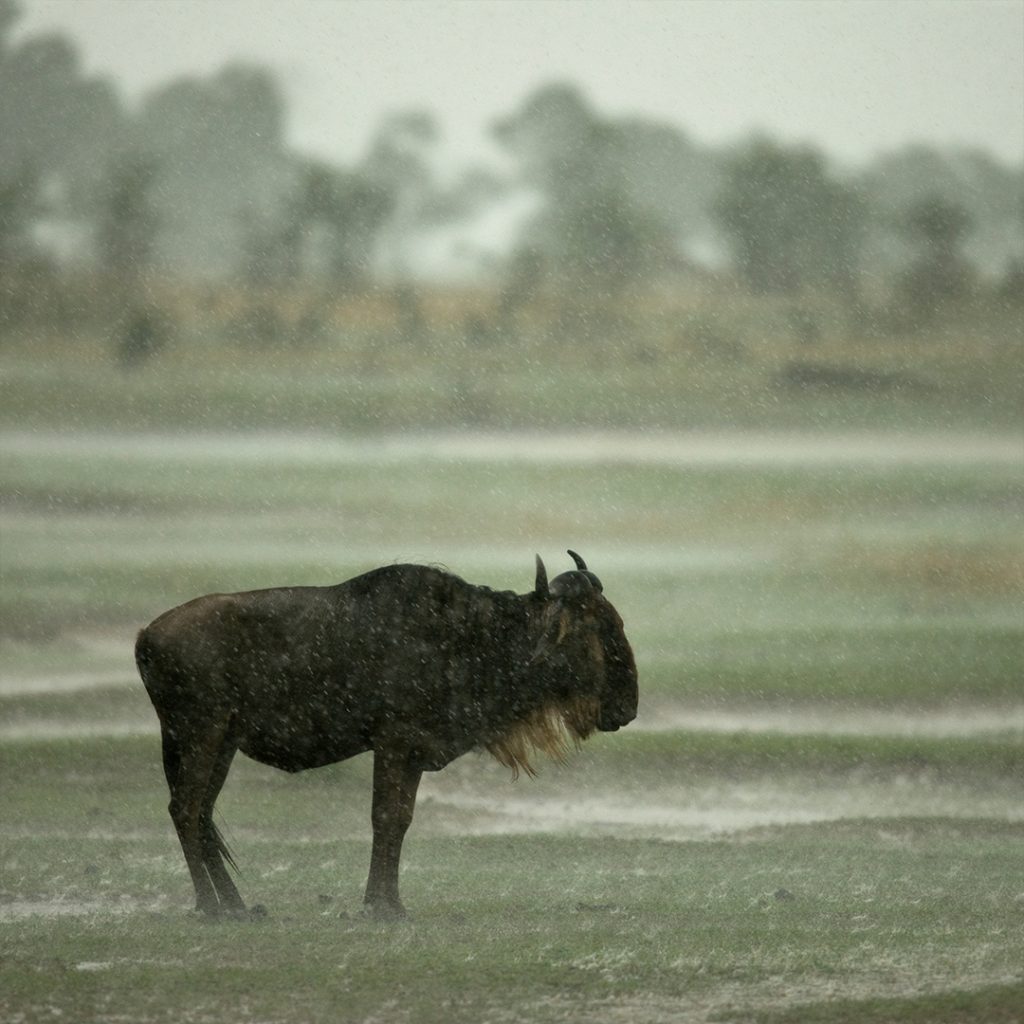
The Great Migration is a natural phenomenon like no other. It involves around 1.5 million wildebeest, along with hundreds of thousands of zebras and gazelles. This movement is the largest terrestrial animal migration in the world. It’s a year-long journey that follows a circular path. The animals move across the Serengeti and into Kenya’s Masai Mara, driven by their instinctive quest for food and water. This incredible odyssey spans approximately 1,800 miles. Several key events mark the migration calendar. These include dramatic river crossings, where predators lie in wait, and the birthing season, where thousands of calves are born in a short span of time. Such events enhance the unpredictability and raw beauty of the migration. Understanding the dynamics of the migration requires some knowledge of its key components:
- The migration follows the rainfall patterns.
- It includes river crossings, calving, and predator-prey interactions.
- The cycle is continuous, with no fixed start or end.
This cyclical journey sustains a vast ecosystem. Predators such as lions and crocodiles depend on the abundance of prey brought about by the migration. The presence of vast herds affects every living thing in these ecosystems. The migration showcases the interconnectedness of nature and the life-and-death struggles within it. Every moment during the migration tells a story of survival and instinct. Witnessing this spectacle is a privilege and a testament to the untouched beauty of our planet. No two migrations are alike. Weather conditions, wildlife behaviors, and environmental factors ensure each year’s event has unique moments. The unpredictability adds to the adventure and excitement of the migration safari.
The Migration Route: From Serengeti to Masai Mara
The migration route is as legendary as the migration itself. It spans the vast savannas of the Serengeti in Tanzania and continues north to Kenya’s Masai Mara. Each year, the animals embark on this epic journey in search of greener pastures. Starting in the southern Serengeti, the herds gather in large numbers. The region’s nutrient-rich plains offer fresh grasses in abundance. Here, the migration kicks off with the calving season, a crucial event in the cycle. As the months progress, the wildebeest and their companions follow the rain to central and western Serengeti. The trek to the Grumeti River provides their first major challenge. Moving onward, the herds cross the Grumeti River, where crocodiles lurk, waiting for an opportunity. The next phase of the route is the journey northward toward the Mara River. The Mara River crossings are the migration’s most dramatic events. Animals bravely face the strong currents, and predators keep a sharp eye on any missteps. Navigating the route involves intricate dynamics and constant movement. Here’s a snapshot of their journey:
- Southern Serengeti: Birth and initial growth.
- Central Serengeti: Transition toward the Grumeti River.
- Western Corridor: Crossing the Grumeti, facing predators.
- Northern Serengeti: Heading toward the Mara River.
- Masai Mara: Abundant grasslands offer a temporary respite.
Once in the Masai Mara, the herds enjoy lush pastures. Yet, their stay is temporary, as come October, the animals start their return south. This cyclical journey ensures life continues, sustaining biodiversity along the way. The migration path is a crucial lifeline for the ecosystems it touches, weaving a rich tapestry of life across two iconic African landscapes.
Calving Season (January–March)
The calving season is an extraordinary event in the migration cycle. During these months, an estimated 500,000 calves are born. The lush grasses of the southern Serengeti offer ideal birthing grounds, helping young wildebeest get a strong start. This period is not just a time of birth, but also of survival. Predators like lions and cheetahs abound, drawn by easy prey. Visitors witness incredible wildlife interactions and fierce protective instincts of the mothers. The calf’s first days are crucial. Within hours of birth, they must stand and walk. Their rapid growth shows resilience amid the wild. Travelers during this season enjoy countless new life sightings and predator-prey dynamics. The calving season is a highlight for both wildlife enthusiasts and photographers. The sheer number of young animals and vibrant scenery paints a breathtaking picture.
Return South (October–December)
As the dry months progress, the herds make their way back south. The Serengeti welcomes them once again, where the cycle renews with anticipated rains. This southward migration ensures survival across seasons. The animals leave the greener pastures of the Mara to find safety in the Serengeti. Their journey is not rushed, demonstrating a natural rhythm. Travelers see a mix of calm and active migration as the herds progress south. Predators remain active, ensuring dynamic wildlife action even during this quieter time. Intimate encounters with smaller groups in beautiful landscapes are common. The backdrop of Serengeti’s golden plains sets a striking scene. From October through December, the Serengeti offers a serene, reflective atmosphere. The return journey is a crucial step, bringing the migration full circle, ensuring life thrives anew in this vast, iconic land.
Great Migration Dates and Key Events
The Great Migration is a continuous spectacle, drawing wildlife enthusiasts year-round. Understanding its timing helps maximize safari experiences. The journey’s rhythm is dictated by the rains. Animals move to find fresh pastures and water, following ancient trails. This never-ending cycle results in specific key events. Early in the year, the Serengeti hosts a vital event—the calving season. New life blossoms, attracting predators and opportunities for dramatic wildlife moments. By May, the herds begin their passage towards the Grumeti River. This period marks a challenging phase as they navigate toward safer grounds. The most thrilling event occurs mid-year: the Mara River crossings. Here, survival instincts are pushed to the limits by crocodiles and swift currents. As September ends, the migration gradually shifts back southward. The return journey ensures a complete loop through Tanzania’s ecosystem.
Key migration events:
- January-March: Calving in southern Serengeti.
- May-July: Grumeti River challenges.
- July-September: Dramatic Mara River crossings.
- October-December: Southward return to Serengeti.
Witnessing these events may demand strategic planning. The region’s natural rhythm offers unmatched adventure and animal spectacles, leaving lasting impressions on visitors.
Grumeti River Crossings (May–July)
As May arrives, the herds begin their daunting trek toward the Grumeti River. These months present intense challenges and dramatic scenes. The crossing of the Grumeti is a significant migration milestone. This river teems with formidable crocodiles, ready to strike. It tests the wildebeest’s grit and instincts. Visitors witness the raw power of nature and daring animal acts of survival. Elephant herds join wildebeests in their journey during this phase. The mutual support among species is a fascinating natural phenomenon. Wildlife interactions are abundant and diverse, providing exceptional observation opportunities. The scenery along the Grumeti is breathtaking. With fewer tourists, the experience is intimate, highlighting the drama of nature’s cycles in this iconic setting. Visitors find both thrill and inspiration in the struggle for survival.
Mara River Crossings (July–September)
he Mara River crossings are the pinnacle of the Great Migration. Here, each crossing is an epic struggle. The vast herds must brave water currents and lurking predators like crocodiles and big cats. The Mara River is notorious for its swift, dangerous waters. Watching thousands of wildebeest plunge into the river is unforgettable. Many animals face peril, making each crossing suspenseful. These river crossings peak in July and September. Wildlife enthusiasts camp near strategic points to witness this drama. The life-and-death struggles are incredibly stirring, offering unmatched photo opportunities. This period exemplifies nature’s formidable power and the resilience of life. Safari-goers are often left speechless, having witnessed a true natural wonder. The Mara crossings stand out as a defining moment in the migration.
Best Time to Visit Tanzania for the Migration
Selecting the best time to witness the Great Migration depends on what you wish to see. This vibrant natural spectacle varies month to month, each phase offering unique experiences. Generally, the dry season from June to October is ideal. Wildlife is more concentrated, and visibility is highest. The weather is pleasant, with fewer chances of rain disrupting plans. During these months, the drama of river crossings provides unforgettable scenes. Different parts of Tanzania offer varied experiences across seasons. From December to March, the southern Serengeti is alive with calving season excitement. Bright young wildebeests and new life attract audiences who delight in quieter landscapes. Mid-year, visitors flock to the Grumeti and Mara rivers, seeking the heart-pounding action of crossings. The best month for these crossings is usually July when animals gather in massive numbers. Later, October through November showcases the journey south, a tranquil yet essential phase. Travelers can immerse themselves in Serengeti’s wide vistas during this time. Consider your interests and preferences when planning. Some may prefer the thrill of predation scenes, while others cherish the quieter moments with newly-born calves. Whatever your choice, Tanzania promises to deliver an unforgettable safari.
Key timings for migration safari planning:
- June-October: Optimal for river crossings and predator interactions.
- January-March: Ideal for calving and lush, green landscapes.
- October-November: Favorable for serene and scenic wildlife viewing.
No matter when you visit, the Great Migration offers an unparalleled connection with nature. This dynamic event will surely engrave memories of beauty and resilience in the wilderness.
Wildlife Highlights: What You’ll See on a Migration Safari
A migration safari in Tanzania is a wildlife enthusiast’s dream. The Great Migration paints a vibrant picture of the animal kingdom. Over a million wildebeest, zebras, and gazelles traverse the plains, driven by the need for new pastures. This mass movement invites a host of predators. Lions, hyenas, and cheetahs frequently stalk the herds. Predator-prey interactions create captivating scenes of survival. The Grumeti and Mara Rivers add drama with their hazardous crossings. Crocodiles lurk beneath the waters, waiting for a chance. These life-and-death struggles are nature’s most gripping spectacles. Birdwatchers find paradise amidst the sea of hooves. Raptors swoop down, capitalizing on the chaos. Meanwhile, other avian species thrive in these nutrient-rich environments. The dry season concentrates animals around waterholes. Elephants, giraffes, and buffaloes are frequent visitors. Photography enthusiasts capture the serene juxtaposed with the frenetic.
Key wildlife sightings during the migration include:
- Wildebeest and Zebras: Main players in the migration drama.
- Predators: Lions, cheetahs, hyenas, and crocodiles.
- Birds of Prey: Eagles, vultures, and other opportunists.
- Diverse Herbivores: Giraffes, buffaloes, and elephants.
Beyond the drama, the migration nurtures life. The fertile landscapes support an abundance of flora. This biodiversity creates a vibrant ecosystem, pulsating with life. Each moment spent witnessing the migration etches memories. This natural wonder exemplifies the beauty and brutality of the wild. It redefines what it means to exist amidst nature.
Choosing the Right Safari Operator
Choosing the right safari operator is crucial. Operators vary in quality and service offerings. Researching thoroughly helps avoid disappointment. Look for operators with excellent reputations. Reviews from past travelers provide valuable insights. Evaluating feedback helps gauge professionalism and reliability. Operators with experienced guides add value. Knowledgeable guides can enhance your sightings and understanding. They ensure meaningful encounters with nature. Check if the operator supports sustainable practices. Conservation-focused companies contribute positively to local ecosystems. Their efforts help preserve Tanzania’s natural beauty. Contact operators directly to clarify any doubts. Asking questions solidifies trust and sets clear expectations. Good communication ensures a smooth and enjoyable experience.
Tanzania’s Top Safari Destinations for the Migration
Tanzania boasts some of the world’s most iconic safari destinations. Each offers a unique window into the Great Migration’s magic and more. The Serengeti National Park is the migration’s epicenter. Here, vast plains buzz with life, offering breathtaking views of animals on the move. The park’s vast open spaces make it perfect for witnessing large herds. In contrast, the Ngorongoro Conservation Area offers rich diversity beyond the migration spectacle. Its caldera supports a robust wildlife population. Visitors often find an array of experiences, merging landscapes with ancient ecosystems. The Grumeti River area and the Western Corridor present off-the-beaten-path adventures. These regions promise fewer crowds and intimate wildlife encounters. Lush woodlands and riverine habitats support an array of animals. For travelers looking to balance popular sites and peaceful retreats, these three locations offer it all. They showcase Tanzania’s dedication to conservation and natural wonders.
In planning your safari, consider these top destinations:
- Serengeti National Park
- Ngorongoro Conservation Area
- Grumeti and Western Corridor
These areas encapsulate the vastness of Tanzania, offering unparalleled opportunities for photography and wildlife viewing. Each destination on your safari adds layers to your adventure, enriching your understanding of nature’s drama.
Serengeti National Park: The Heart of the Migration
The Serengeti National Park is synonymous with the Great Migration. Its endless plains offer an unparalleled stage for this annual drama. Here, over a million wildebeest, zebras, and gazelles roam. This iconic park is a must-see for any wildlife enthusiast. Its vast landscapes offer both beauty and incredible biodiversity. The park supports numerous predators, making it a prime site for witnessing nature’s raw moments. Visitors can often spot the “Big Five” as they traverse this sprawling region. The park’s rich ecosystems provide the backdrop for unforgettable experiences. The scenic beauty of the Serengeti never fails to inspire awe. Each visit to the Serengeti promises something new. Its timeless landscapes echo the rhythms of the wild, underscoring nature’s relentless cycles.
Ngorongoro Conservation Area: Wildlife Beyond the Migration
The Ngorongoro Conservation Area offers experiences beyond the migration. This UNESCO World Heritage Site holds one of Africa’s most beautiful calderas. Its diverse ecosystem shelters a plethora of wildlife. This cradle of life sustains herds of animals year-round. Lions, elephants, and rhinos all call this crater home. Visitors often enjoy encounters with these magnificent creatures in a compact setting. Apart from the wildlife, the vistas from the crater rim are mesmerizing. Lush and fertile, this basin nurtures life in abundance. Its varied habitats provide a contrast to the surrounding savannahs. Exploring Ngorongoro reveals more than wildlife; it offers insights into ecological preservation. It is a true testament to human efforts in conservation harmonized with nature.
Grumeti and Western Corridor: Off-the-Beaten-Path Encounters
The Grumeti and Western Corridor provide a tranquil escape from traditional safari routes. These regions are lesser-known, yet offer rich wildlife experiences without the crowds. Lush woodlands and riverine landscapes define these areas. The Grumeti River is famous for its large crocodiles and thrilling wildlife interactions. Here, the migration lingers longer, providing deeper insights into animal behavior. Predators thrive, adding layers of excitement to every visit. The migration’s ebb and flow become apparent in these untouched habitats. Venturing into these regions offers solitude and intimacy with nature. For adventurers seeking unique experiences, the Western Corridor promises untamed wonders. This hidden gem enriches any traveler’s journey through Tanzania.
Accommodation Options: From Luxury Lodges to Mobile Camps
Accommodation choices define your safari’s comfort level. Tanzania offers diverse options, from opulent lodges to rustic camps. Each provides a distinct connection to the wild. Luxury lodges offer top-tier amenities. These accommodations combine comfort with impeccable service. They’re ideal for those seeking a lavish experience. Mobile camps provide an immersive wilderness experience. These are often situated close to migration paths. Guests enjoy nights under the stars, embracing nature’s rhythms. Consider lodges or camps near your desired migration location. Proximity often enhances your wildlife viewing opportunities. Being close to action enriches your safari encounters. Unique stays foster memorable moments. Each accommodation type offers exclusive activities and vantage points. Choose based on your desired level of adventure and relaxation.
Frequently Asked Questions About the Tanzania Migration Safari
Planning a safari brings many questions to mind. Here are answers to some common inquiries to help clarify your plans.
What is the best time to witness the Great Migration?
The prime months are from June to October. During these months, river crossings are most frequent. It’s the best time for wildlife viewing.
Is it safe to visit Tanzania for a safari?
Yes, Tanzania is known for its safe safari experiences. Guided tours ensure both safety and wildlife protection. Visitors are encouraged to follow all guidelines.
What wildlife can I expect to see during the migration?
You’ll see wildebeests, zebras, and many predators. Lions, cheetahs, and crocodiles are common sights. The diversity of life is truly remarkable.
Here are some quick insights:
- Migration Duration: Year-round, with peak activity mid-year.
- Vaccinations Needed: Consult your doctor before travel.
- Travel Insurance: Strongly recommended for all travelers.
Do I need special equipment for photography?
A good zoom lens is valuable. Binoculars also enhance the experience. Check battery and storage space before heading out.
Planning with these answers simplifies your safari adventure. Each visitor has unique concerns, so research is always worthwhile. A bit of preparation ensures a trip that’s unforgettable.
Exploring Tanzania The Ultimate Migration Safari
The Tanzania migration safari is a once-in-a-lifetime adventure. It promises unforgettable moments in nature’s wild embrace. The sheer scale and drama of the Great Migration captivate the imagination.
Witnessing over a million animals moving across the Serengeti is awe-inspiring. It’s a raw and dynamic display of life and survival. Each moment holds profound beauty and meaning.
The safari offers a deep connection with nature. You observe the delicate balance of ecosystems. This experience enriches the soul and broadens the mind.
By choosing Tanzania, you’re also supporting conservation efforts. This responsible tourism helps protect wildlife for future generations. Embrace this opportunity to witness one of Earth’s greatest spectacles.