


The Big Five Safari Animals
Embark on a journey to discover Africa’s most iconic wildlife. The Big Five safari animals are a must-see for any wildlife enthusiast. These majestic creatures captivate travelers with their beauty and power. The term “Big Five” originally described the most challenging animals to hunt on foot. Today, it symbolizes the pinnacle of African wildlife experiences. The Big Five include the African elephant, lion, leopard, Cape buffalo, and rhinoceros. Each of these animals holds a unique place in the ecosystem. They are not only fascinating to observe but also crucial for biodiversity. Their presence draws tourists from around the globe, boosting local economies. African safaris offer a chance to witness these animals in their natural habitat. From the vast plains of the Serengeti to the dense bush of Kruger National Park, opportunities abound. Conservation efforts are vital to protect these species from threats like poaching and habitat loss. Join us as we explore the Big Five safari animals. Discover their significance, behaviors, and the best places to see them. Prepare for an unforgettable adventure into the heart of Africa.
What Are the Big 5 Safari Animals?
The Big Five safari animals are a cornerstone of African wildlife. Revered for their magnificence and survival challenges, they draw awe and admiration. These animals are:
- African Elephant: The largest land animal on Earth.
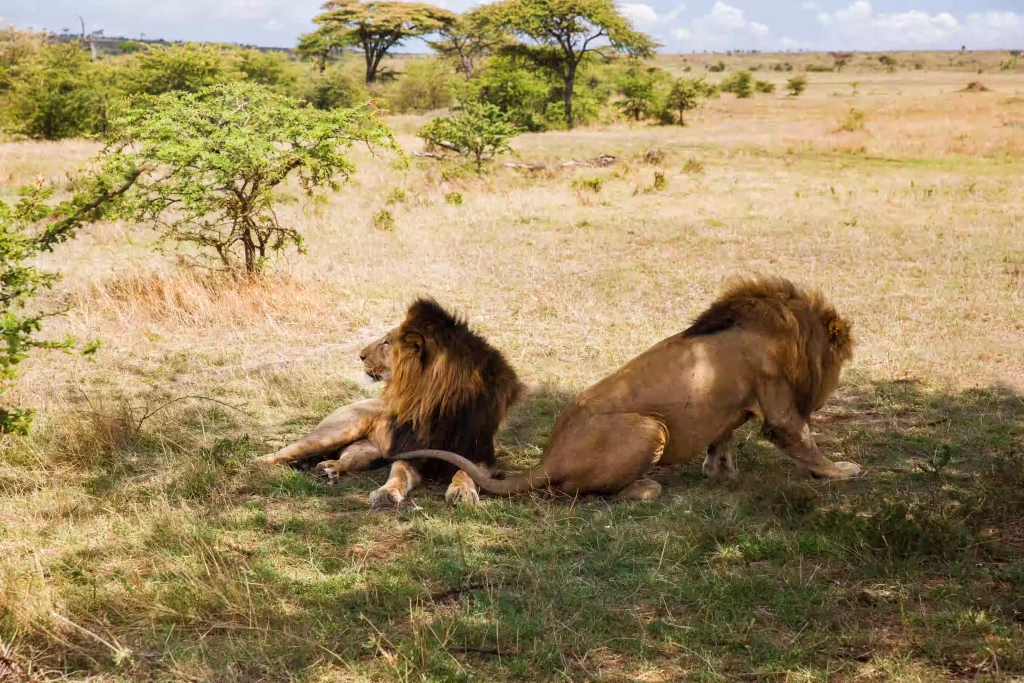
- African Lion: Known as the “king of the jungle.”
- African Leopard: A solitary and elusive predator.
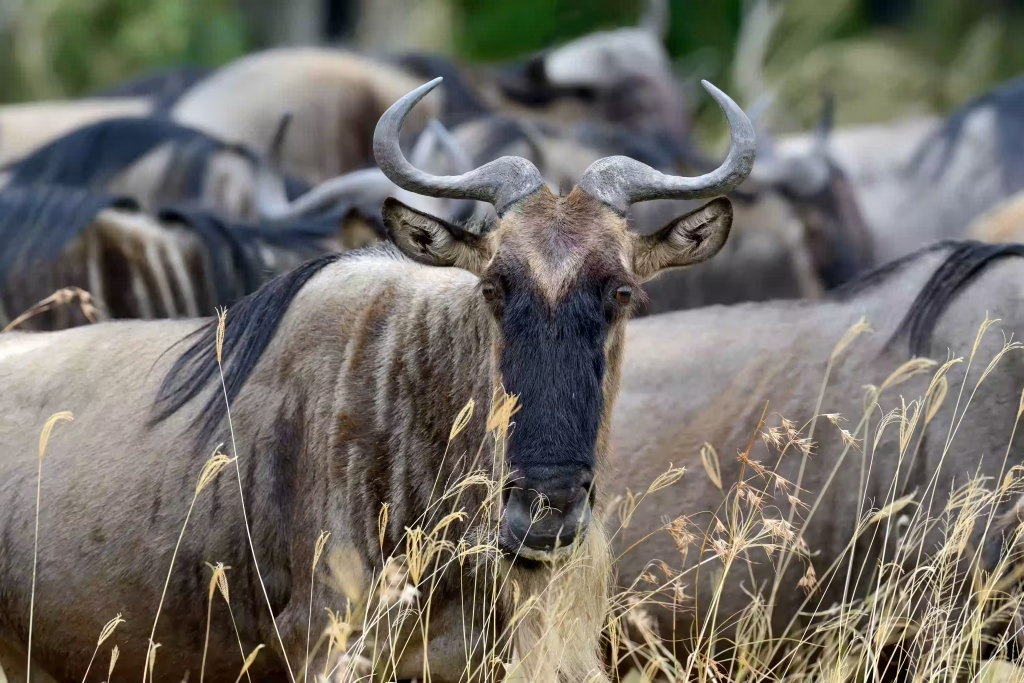
- Cape Buffalo: Known for its strength and unpredictability.
- Cape Buffalo: Known for its strength and unpredictability.
Each of these animals has distinct traits and behaviors. The African elephant is admired for its intelligence and social nature. Its family bonds are profound, providing insight into complex group dynamics. Lions, by contrast, are social apex predators that govern their territory with authority. Leopards possess unmatched adaptability, mastering various environments across Africa. Their ability to blend into surroundings and hunt with stealth is remarkable. Meanwhile, the Cape buffalo has earned a reputation for its fierce defense and herd mentality. Rhinoceroses, with their formidable horns, face intense poaching threats. Protecting rhinos through conservation initiatives remains a crucial priority. Understanding these animals enhances the safari experience, offering glimpses into the natural world. Encounters with the Big Five are often the highlight of African safaris. Observing these animals in the wild is a unique privilege. Their continued existence is essential for maintaining ecological balance and diversity.
The History and Significance of the Big Five
The term “Big Five” has historical roots in big game hunting. Hunters considered these animals the most dangerous to pursue on foot. Today, the term symbolizes wildlife conservation and tourism. Initially, the Big Five were sought after for their trophies. They represented a challenge due to their size, strength, and ferocity. This pursuit led to overhunting, placing these species at risk. As conservation emerged, the focus shifted from hunting to protection. The Big Five now attract wildlife enthusiasts to Africa’s vast landscapes. Their draw bolsters economies through tourism and conservation initiatives. The significance of the Big Five extends beyond their survival. They represent Africa’s rich biodiversity and ecological importance. Protecting these animals helps preserve the continent’s natural heritage. Preservation efforts involve both government and community participation. Local communities benefit from tourism, encouraging sustainable practices. Promoting wildlife conservation ensures future generations can witness the Big Five.
Today, the Big Five are iconic emblems of the African safari experience. They have inspired countless stories, photography, and art.
- Big Game Hunting: Original context of the Big Five.
- Conservation Focus: Shifted from hunting to protection efforts.
- Tourism Impact: A significant source of income for local communities.
Lions are often heralded as the “king of the jungle,” though they inhabit savannahs rather than dense forests. Their regal presence and formidable prowess make them a central figure in the Big Five. A lion’s social structure is unique, with prides forming the cornerstone of their existence. These groups consist of related females, their offspring, and a few male lions. This social bond is key to their hunting success and territory defense.
Lions are apex predators, playing a crucial role in the ecological balance of their habitats. They help control herbivore populations, contributing to a healthy ecosystem. The absence of lions would disrupt this balance. Communication among lions is rich and varied. Roars can be heard up to five miles away, serving as territorial markers and group communication. Besides vocalizations, body language and scent marking are essential communication methods. Conservation challenges for lions include habitat loss and human-wildlife conflict. Efforts to protect them focus on securing habitats and promoting coexistence with local communities. Successful conservation not only benefits lions but also other wildlife. Lions are often a focal point on African safaris. Observing their behavior offers insight into the complex dynamics of predator life. Safari guides often track prides to provide tourists with unforgettable experiences. Lions embody the wild spirit and raw power of the African savannah. Their iconic status goes beyond their ecological role, representing Africa’s rich natural heritage. Protecting lions ensures the continuation of these powerful symbols for future generations.
- Social Structure: Prides of related females, offspring, and a few males.
- Apex Predator: Essential for maintaining ecological balance in their habitat.
- Conservation Efforts: Focus on habitat protection and human-wildlife conflict resolution.
African Elephant: The Gentle Giant
African elephants are truly majestic creatures, renowned for their immense size and gentle demeanor. These elephants are the largest land animals on Earth, making them a central highlight on any safari. Their intelligence is remarkable, showcasing problem-solving abilities and complex social behaviors. Elephants live in matriarchal herds, with strong family ties that ensure protection and survival. The bonds between family members can last a lifetime. The trunk of an elephant is a versatile tool, used for feeding, drinking, and communication. This appendage enhances their ability to interact with their environment in unique ways. Moreover, the tusks of elephants, unfortunately, make them targets for poachers. Elephant conservation is crucial due to threats from poaching and habitat loss. Efforts are being made across Africa to protect these gentle giants. Conservation programs focus on anti-poaching measures and habitat restoration. Witnessing elephants in their natural habitat is a profound experience. Their presence in the wild is a testament to nature’s grandeur and diversity. Safari tours offer unique opportunities to observe their behaviors up close. The protection of elephants is essential not only for their survival but also for the ecosystems they inhabit. Elephants play a vital role in maintaining ecological balance, from seed dispersal to creating water access for other animals.
- Intelligent and Social: Known for cognitive abilities and strong family bonds.
- Versatile Trunk: A multifunctional tool for daily tasks and communication.
- Conservation Efforts: Important due to poaching and habitat threats.
African Leopard: The Elusive Predator
Leopards are the stealthy masters of the African wilderness. Their elusive nature and solitary lifestyle make them one of the most fascinating members of the Big Five. Unlike lions, leopards are highly solitary creatures. They prefer the cover of darkness to hunt, utilizing their exceptional nocturnal vision. This nocturnal behavior helps them avoid competition with other big predators. Leopards are adaptable and can thrive in various habitats, from dense forests to arid savannahs. This adaptability is crucial for their survival, allowing them to inhabit areas where other big cats might struggle. Their ability to climb trees is another remarkable trait. Leopards often hoist their prey into trees to protect it from scavengers and larger predators. This behavior is a testament to their strength and cunning. Despite their adaptability, leopards face significant threats. Habitat fragmentation and human encroachment are major challenges. Efforts to preserve their natural habitats are vital for their continued survival. Leopards are famous for their beautiful rosette-patterned coats. These distinctive markings not only provide camouflage but are also a striking feature for photographers. Spotting a leopard during a safari is often a highlight for visitors. Conservation of leopards involves protecting their habitats and reducing human-leopard conflicts. Education and awareness programs help local communities coexist with these magnificent predators, ensuring their future in the wild.
- Solitary Lifestyle: Leopards prefer solitude and hunt alone.
- Adaptable Habitat: Found in diverse environments across Africa.
- Tree Climbing: Utilizes height advantage to secure prey and evade threats.
Cape Buffalo: The Unpredictable Powerhouse
The Cape buffalo is renowned for its unpredictable temperament. This makes it a formidable and sometimes fearsome member of the Big Five. Cape buffaloes live in large herds. These herds can range in size, sometimes including hundreds of individuals. This social structure offers protection against predators. Despite their gregarious nature, buffalos can be dangerous. They are known for charging without warning, earning them the nickname “black death” among hunters. This fierce reputation is well deserved.
Buffalos play a key role in their ecosystems. They are grazers and shape the landscape through their feeding habits. This, in turn, affects the habitats of other wildlife. Threats to Cape buffaloes come from habitat loss and diseases. Conservation efforts focus on maintaining healthy populations within protected areas. These initiatives help ensure their survival in the wild. Their formidable horns are a distinctive feature. These horns are not only for defense but also for establishing dominance within the herd. The appearance of a buffalo with its iconic horns is unforgettable.
- Herd Dynamics: Cohesive groups enhance buffalo safety.
- Unpredictable Behavior: Renowned for sudden and aggressive charges.
- Habitat Influence: Grazing patterns shape the environment.
The Role of the Big Five in African Culture and Folklore
The Big Five are not only iconic in the natural world but also deeply embedded in African culture and folklore. Each of these majestic animals carries symbolic meanings that resonate across numerous tribes and societies. In African folklore, the lion is often depicted as a kingly figure, embodying bravery and leadership. Stories about lions leading battles or protecting their prides highlight their revered status. Elephants, with their wisdom and memory, are seen as gentle giants, symbolizing strength and intelligence. Many tales emphasize their strong family bonds and nurturing nature. Leopards are admired for their cunning and stealth. They often appear in tales as clever tricksters, using their wits to solve problems or escape danger. The buffalo is celebrated for its resilience and determination, symbolizing strength through unity. Folklore often portrays them as protectors, working together to defend their herds. Rhinos, though less prominent in stories, represent protection and tenacity. Their rarity adds an air of mystique, making them symbols of conservation.
- Lion: Leadership and bravery
- Elephant: Wisdom and strength
- Leopard: Cunning and stealth
- Buffalo: Resilience and unity
- Rhinoceros: Protection and tenacity
Rhinoceros: The Endangered Icon
The rhinoceros is one of the most iconic and endangered species within the Big Five. These majestic creatures are known for their impressive horns and thick skin, which serve as both a defense mechanism and a striking visual feature.Rhinos are classified into two African species: the black rhino and the white rhino. Despite their names, color is not a distinguishing factor. The difference lies in their lip shape, with black rhinos having a hooked lip and white rhinos a wide, square lip. These remarkable animals are facing severe threats from poaching. Their horns are mistakenly believed to have medicinal properties, which fuels illegal trade. This has led to a catastrophic decline in their populations. Despite these challenges, conservation efforts have achieved significant successes. Anti-poaching initiatives and community-led conservation are pivotal in protecting these giants. By working closely with local communities, conservationists have developed innovative ways to safeguard rhinos. Rhinos play a crucial role in their ecosystem. They are mega-herbivores and contribute to shaping the African savannah. Their grazing patterns and movement contribute to the diversity of flora and fauna in their habitat. The resilience of rhinos is a testament to the dedication of conservationists. Through education, awareness, and persistent efforts, there is hope for their recovery and survival in the wild.
- Species Distinction: Black rhino (hooked lip) vs. white rhino (square lip).
- Conservation Focus: Anti-poaching and community engagement efforts.
- Ecological Role: Mega-herbivores shaping their environment.
Tips for a Responsible and Memorable Safari Experience
A successful safari hinges on respecting the natural environment. Adhere to park rules and follow guides’ instructions for a safe, rewarding experience. Remember that wildlife is unpredictable, and safety should always come first. Pack light, but ensure to bring essentials like binoculars, a camera, and layered clothing. Early morning and late afternoon game drives can be chilly. Sunscreen and a hat are also crucial for sun protection during daytime outings. Respectful behavior towards wildlife enhances the safari experience. Maintain a safe distance and keep noise levels low to avoid disturbing animals. This respect protects both animals and visitors, making for an immersive wildlife encounter. Choosing ethical tourism practices helps conserve Africa’s precious ecosystems. Support local businesses and cultural initiatives that promote environmental preservation.
Essential Safari Tips:
- Follow park and guide rules
- Pack necessary items
- Respect wildlife distance
- Support ethical tourism
By embracing responsible tourism, you ensure both safety and sustainability, leaving a positive impact on Africa’s natural heritage.
The Wonders of Moshi, Tanzania
The Big Five safari animals continue to captivate and inspire visitors to Africa. Their presence represents the continent’s incredible biodiversity and rich natural heritage.
By understanding and appreciating these majestic animals, we support both their conservation and the communities that protect them. The legacy of the Big Five is a testament to the beauty and diversity of our planet, encouraging us all to preserve it for future generations.