


Optimal Seasons for Climbing Kilimanjaro
Climbing Mount Kilimanjaro is a dream for many adventurers. This iconic peak in Tanzania offers a unique challenge. Choosing the best time to climb Kilimanjaro is crucial for a successful ascent. Weather conditions vary greatly throughout the year. The mountain’s climate can be unpredictable. Understanding the optimal seasons can enhance your climbing experience. The dry seasons, from January to mid-March and June to October, are ideal. These months offer clearer skies and more stable weather. Rainy seasons, from March to May and November, present challenges. Trails become slippery, and visibility can be poor. Each month offers distinct advantages and challenges. Your choice depends on personal preferences and goals. This guide will help you plan your Kilimanjaro adventure. Discover the best time to climb and make your journey unforgettable.
Understanding Kilimanjaro’s Climate and Weather Patterns
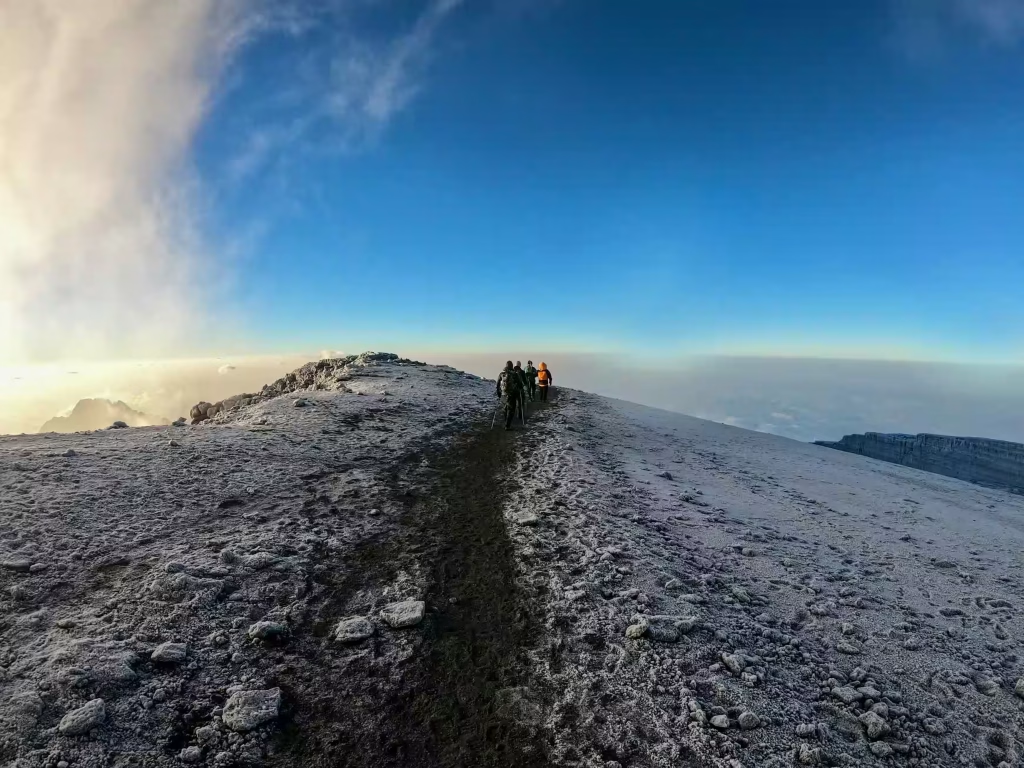
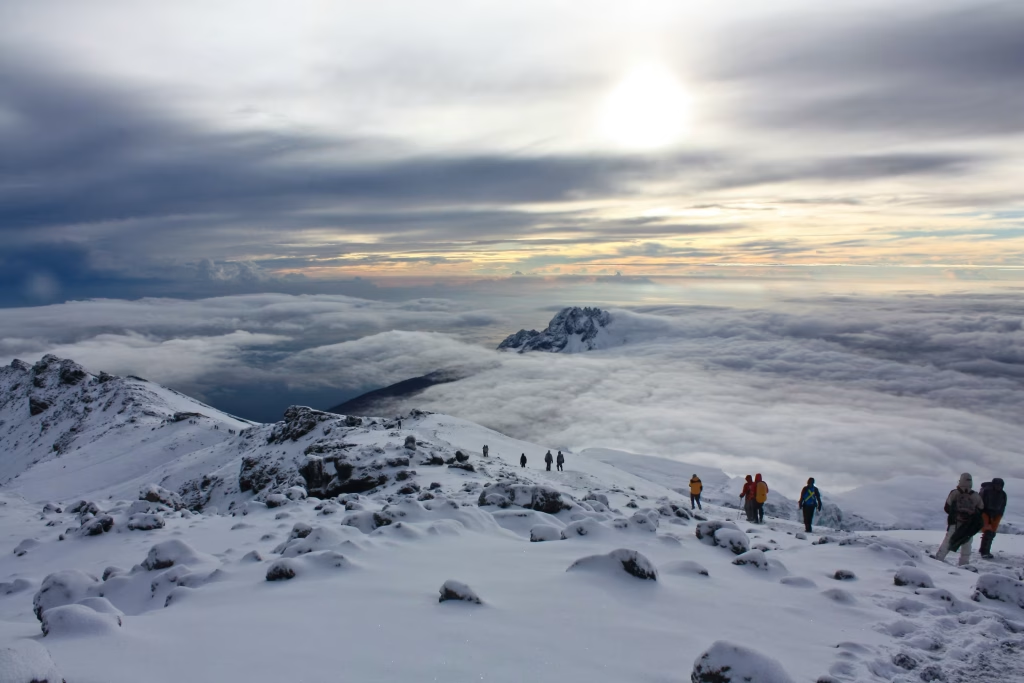
Mount Kilimanjaro’s climate is shaped by its elevation and proximity to the equator. It offers a diverse range of weather conditions. The mountain features five distinct climate zones. Each zone presents unique weather patterns and ecological features.
Kilimanjaro’s Climate Zones:
- Rainforest: Hot and humid, with frequent rain showers. Lush vegetation dominates this zone.
- Moorland: Cooler temperatures with mist and fog. Flora becomes more sparse and unique.
- Alpine Desert: Dry and windy with stark landscapes. Large temperature variations occur here.
- Arctic Summit: Extreme cold with icy winds. Snow and ice cover the ground.
Weather on Kilimanjaro can change rapidly. Even in dry seasons, climbers may encounter rain or snow. Average temperatures vary significantly between zones. For example, rainforest areas can be warm, while the summit experiences subzero temperatures. The dry season offers mild temperatures and clear skies. Meanwhile, the rainy season sees more cloud cover and precipitation. Understanding these patterns aids preparation. Tailor your gear to the conditions you’ll encounter on your climb. Wind speeds also vary, particularly at higher altitudes. Strong winds can make conditions even more challenging. Appreciating Kilimanjaro’s diverse climate zones enhances the climbing experience. It prepares you for what the mountain might offer.
Kilimanjaro’s Climbing Seasons: A Month-by-Month Guide
Climbing Mount Kilimanjaro is a year-round endeavor, offering unique experiences each month. Understanding the seasonal changes helps choose the best time to hike Kilimanjaro according to your preferences. The year divides broadly into dry and wet seasons. Each period presents distinct advantages and challenges. Climbers often aim for dry periods to optimize their journey. High and low season overlap with weather conditions. During dry months, trails are busier, while the rainy season offers solitude but requires more caution due to slippery paths.
Climbing Kilimanjaro in January
January offers one of the best months to climb Kilimanjaro. It lies in the dry season, providing crisp weather and stunning views. Trails during this time are less crowded than in the mid-year peak. This makes for a slightly more peaceful climbing experience. Temperatures remain mild, and rain is scarce, making conditions favorable. However, high-altitude chill still requires warm gear.
Climbing Kilimanjaro in February
February continues to offer good conditions for hikers. It’s one of the best times to summit Kilimanjaro. Clear skies dominate the landscape, enhancing the experience of magnificent vistas. Crowds are moderate but can increase towards the month’s end. With manageable weather and a lesser chance of rain, February attracts many international climbers.
Climbing Kilimanjaro in March
March marks a transition period on the mountain. Early March conditions are still favorable, but rains increase towards month’s end. Climbers may encounter light showers, particularly as the rainy season approaches. Therefore, trail selection is crucial. March provides a chance for quieter ascents. Those who climb early in the month enjoy reduced crowds and serene landscapes.
Climbing Kilimanjaro in April
April begins the rainy season, bringing frequent rains and mist. It’s one of the less popular months for climbing. Trails can be slick and visibility sometimes hampered by cloud cover. Waterproof gear becomes essential in these damp conditions. Rongai Route is preferable due to its location on the drier side of the mountain. This route can improve the climbing experience during heavy rains.
Climbing Kilimanjaro in May
May sees the continuation of rainy season. This results in challenging trail conditions on some routes. Despite rainfall, May offers solitude on the trails. Few climbers venture during these wet months. Persistent rain can obscure views, but unique experiences like lush landscapes await those who embrace the weather.
Climbing Kilimanjaro in June
June signals the start of the dry season. The month welcomes climbers with improving conditions and clearer skies. Trails begin to dry, reducing slipperiness. June is considered a good time to hike Kilimanjaro, with fewer climbers than peak months ahead. While temperatures remain cool, experienced climbers find June to be an optimal season start.
Climbing Kilimanjaro in July
July continues the dry season trend, offering some of the most popular climbing conditions. Clear skies and stable weather encourage an influx of hikers. It’s one of the best times to climb Kilimanjaro. However, expect busy trails. Early booking for accommodations and guides is advisable during this peak.
Climbing Kilimanjaro in August
August maintains the dry spell. This month draws numerous adventurers due to its favorable weather. The combination of sunshine and mild temperatures marks a memorable trek. August’s popularity necessitates planning ahead. It’s vital to be prepared for high trail traffic. Despite the crowds, the experience remains rewarding.
Climbing Kilimanjaro in September
September is another peak month for climbing. Conditions remain outstanding, with dry paths and panoramic views. As the end of the peak season approaches, trail and summit experiences are at their best. Cooler temperatures set the stage for a challenge. The sense of camaraderie among climbers is invigorating.
Climbing Kilimanjaro in October
October brings a gradual shift towards the short rainy season. Early in the month, conditions are still favorable. Some climbers appreciate less crowded paths. As October progresses, rain begins to increase. If you plan for early October, manage trails well to dodge upcoming rains. Preparation makes the difference.
Climbing Kilimanjaro in November
November sees the start of the short rains, significantly affecting trail conditions. It’s a quieter time on the mountain. Some adventurous climbers choose November for solitude, but slippery paths require caution. Rongai Route can be a pragmatic choice in this wet month. Careful planning is key to enjoying November.
Climbing Kilimanjaro in December
December transitions towards the dry season. Earlier in the month, rain may persist, tapering as the month progresses. By late December, conditions improve. Festive climbers combine holiday spirit with breathtaking mountain views. Despite fluctuating weather, December provides diverse experiences. Choose this month for a climatically mixed adventure.
Dry vs. Rainy Seasons: Pros and Cons
Choosing between dry and rainy seasons significantly impacts your Kilimanjaro climb. Each offers unique benefits and challenges. Understanding these differences helps ensure you select the perfect time for your adventure. The dry season, from January to mid-March and June to October, provides stable weather. Trails remain less slippery, making trekking safer and more comfortable. Clear skies offer unrivaled visibility of the surrounding vistas. However, the dry season also attracts more climbers, resulting in crowded trails and higher accommodation demand. It’s essential to book early. In contrast, the rainy season from March to May and November presents different opportunities. Trails become quieter, offering solitude and intimacy with nature. However, rain can lead to slippery paths and reduced visibility. Selecting the rainy season requires preparation for damp conditions but rewards you with fewer crowds and lush landscapes.
Here’s a quick summary of the pros and cons of each season:
- Dry Season Pros: Stable weather, less slippery trails, clear skies.
- Dry Season Cons: Crowded, higher demand for guides and accommodations.
- Rainy Season Pros: Quieter trails, vibrant flora.
- Rainy Season Cons: Wet conditions, reduced visibility, slippery trails.
Essential Gear for Every Season
Climbing Kilimanjaro demands the right gear, regardless of the season. The mountain’s diverse climates require planning for warmth and protection. Quality clothing and equipment enhance comfort and safety during the ascent. Layering is key to managing different weather conditions. Versatile clothing accommodates the fluctuating temperatures you will encounter on the climb. Essential items should include moisture-wicking layers and durable outerwear.
Ensure your gear list covers the following:
- Sturdy Boots: Provide foot support and grip.
- Insulated Jacket: Essential for cold summit nights.
- Gloves and Hat: Protect extremities from cold.
- Walking Poles: Aid balance, especially on descents.
Choosing the right equipment is crucial for a successful journey. Proper gear not only boosts confidence but also minimizes risks.
Crowd Levels and Climbing Experience
The crowd levels on Kilimanjaro vary with the seasons. Peak climbing months often see the mountain bustling with hikers. However, this creates a vibrant atmosphere with diverse interactions. High crowd levels can impact your personal climbing experience. Some adventurers enjoy the lively setting, while others prefer solitude. If you seek a quieter ascent, consider climbing during off-peak months.
When considering crowd levels, keep these points in mind:
Planning your trek around a full moon can elevate your Kilimanjaro ascent from memorable to extraordinary.
- Peak Season: June to October is busier with clearer trails.
- Off-Peak Experience: March, April, and November offer quieter climbs.
- Aesthetic Appeal: Enjoy the mystical glow on the mountain.
Best Time to Climb Kilimanjaro: Key Considerations
Determining the best time to climb Kilimanjaro involves several important factors. Personal preferences, weather conditions, and route selection all play crucial roles. First, consider your tolerance for crowds. The peak season offers camaraderie with fellow climbers but decreases tranquility. Next, assess your weather tolerance. Do you prefer clear, dry days, or are you open to wetter, quieter trails? Rain can be both a hindrance and a unique adventure element. Lastly, consider your physical fitness and altitude acclimatization. Longer routes during optimal months offer better acclimatization opportunities. Keep these key considerations in mind when planning:
- Weather preferences: clear versus rainy conditions
- Desire for solitude or sociability on the trail
- Physical fitness and need for acclimatization
- Personal goals and comfort level with trail conditions
Choosing the best time to climb Kilimanjaro is about balancing these elements to suit your goals.
Route Selection and Seasonal Suitability
Choosing the right route is crucial when planning your Kilimanjaro climb. Each route offers unique experiences and challenges, which vary with the season. For example, the Rongai Route is ideal during the rainy months. It is drier and offers scenic views without crowd congestion. In contrast, the Machame Route is perfect during dry seasons. Known for its stunning vistas, it attracts many trekkers. The Lemosho Route is well-suited for climbers seeking longer acclimatization periods. It provides ample time to adjust to altitude changes, enhancing summit success rates. During high season months, this route offers a less crowded alternative.
Here’s a quick summary of routes and their suitability:
- Rongai Route: Best for rainy season
- Machame Route: Ideal for dry months
- Lemosho Route: Provides extended acclimatization and fewer crowds
Selecting the appropriate route will enhance your Kilimanjaro experience, aligning with both your seasonal preference and personal goals
Full Moon Climbs and Special Timing
Climbing Kilimanjaro during a full moon is a magical experience. The moonlight illuminates the trails, offering enhanced visibility at night. This natural light provides a unique and breathtaking atmosphere for climbers. A full moon climb doesn’t just enhance visibility; it adds an ethereal beauty to your adventure. The summit shines under moonlight, creating a stunning, almost surreal experience. Many climbers schedule their trips to coincide with the full moon for this reason.
Here are some key dates to consider for full moon climbs:
- Best Planning: Schedule your summit night during the full moon.
- Visibility Benefit: Easier navigation with moonlit trails.
- Aesthetic Appeal: Enjoy the mystical glow on the mountain.
Planning your trek around a full moon can elevate your Kilimanjaro ascent from memorable to extraordinary.
Frequently Asked Questions About Kilimanjaro’s Best Climbing Times
Many climbers wonder about the ideal time to summit Kilimanjaro. Understanding the mountain’s climate helps in making an informed choice.
Q: What are the dry season months for climbing?
The dry seasons run from January to mid-March and June to October. These months offer clearer skies and less slippery trails.
Q: Is it possible to climb during the rainy seasons?
Yes, but expect challenging conditions. During the rainy seasons, from March to May and in November, trails can be muddy, and visibility may be low.
Key Tips for Climbers:
- Check Weather Forecasts: Weather is unpredictable; plan accordingly.
- Choose the Right Gear: Pack waterproof essentials if climbing during rainy months.
- Consult Experienced Guides: They help navigate difficult conditions.
- Strong emphasis on community and family bonds
Climb Mount Kilimanjaro
Climbing Mount Kilimanjaro is a memorable adventure. Selecting the best time to climb requires considering weather and personal preferences.
For many, dry seasons are favorable due to clear skies and stable conditions. Others might enjoy the solitude of shoulder seasons despite unpredictable weather. Ultimately, your decision should align with your adventure goals. Proper preparation ensures a rewarding Kilimanjaro experience regardless of timing.