


Understanding the Rich Culture of Tanzanian People
Tanzania is a land of vibrant cultures and diverse people. It is located in East Africa, bordered by eight countries. This nation is known for its rich history and stunning landscapes. The Tanzanian people are a tapestry of over 120 ethnic groups. Each group brings unique traditions and languages. This diversity is a cornerstone of Tanzanian identity. Swahili and English are the official languages. Swahili, the national language, unites the people. It is widely spoken across East Africa. Religion plays a significant role in Tanzanian life. The population is predominantly Christian and Muslim. Indigenous beliefs also hold a place in society.m Tanzania’s culture is a blend of influences. Arab, German, and British histories have left their mark. This mix is evident in the country’s art, music, and dance. The climate in Tanzania varies greatly. It ranges from tropical along the coast to temperate in the highlands. This diversity supports a wide range of ecosystems.
Tanzanian cuisine is a flavorful journey. Dishes like ugali and pilau are staples. They reflect the country’s agricultural roots. Tanzanian people are known for their warmth and hospitality. Community and family are central to their way of life. This spirit of togetherness is celebrated in festivals and daily interactions.
Tanzania at a Glance: Geography, History, and People
Tanzania is situated in East Africa, a region famous for its majestic scenery. It stretches from the coastal Swahili shores to the towering peaks of Kilimanjaro. This geography is not only breathtaking but also deeply influences the lifestyle of its people. The country’s historical backdrop is rich and varied. It has seen centuries of trade along its coast, with Arab and Indian merchants leaving their cultural footprints. Later, European colonial rule reshaped its social and political landscape. This blend of influences still echoes today. The people of Tanzania are as diverse as the land they inhabit. They belong to over 120 ethnic groups, each adding to the country’s cultural mosaic. This diversity is a source of national pride and identity.
Key geographic and historical landmarks include:
- Situated in the Iringa Region.
- Approximately 130 kilometers from Iringa town.
- Part of the Great Rift Valley.
- Lies within the Rungwa-Kizigo-Muhesi ecosystem.
The Diversity of Tanzanian People: Ethnic Groups and Tribes
Tanzania stands as a testament to Africa’s ethnic diversity. The country boasts more than 120 ethnic groups. This mosaic forms the core of Tanzanian identity. Each ethnic group brings unique traditions and languages, contributing to Tanzania’s rich cultural tapestry. The diversity is celebrated and integrated into daily life. Tanzanians prioritize harmony and unity amidst diversity. Some ethnic groups are larger than others. The Sukuma, for example, is the largest group. In contrast, smaller communities like the Hadza maintain distinct lifestyles. These groups spread across rural and urban areas. Their cultural practices vary based on location and environment.
The following are some notable ethnic groups:
- Sukuma
- Chaga
- Maasai
- Haya
- Makonde
- Nyamwezi
- Hadza and Sandawe
Cultural festivals and community events highlight this diversity. They provide opportunities for ethnic groups to showcase their traditions. Tanzanians embrace and learn from one another, fostering national unity. Each group has distinct clothing, music, and dance forms. These cultural elements are shared among communities and influence the broader culture. Traditions and customs are passed down through generations, preserving history. Inter-marriage among ethnic groups is common. It enhances cultural exchange and unity. The Swahili language also bridges cultural gaps, serving as a lingua franca. Most Tanzanians speak Swahili alongside their mother tongue. The government supports cultural preservation through policies and education. Schools teach both national and ethnic histories. These efforts aim to maintain cultural diversity and promote national pride. Tanzanian diversity adds depth and vibrancy to the nation. It is a source of strength and unity.
Major Tribes of Tanzania
Tanzanian tribes are integral to understanding the nation’s cultural diversity. Each tribe has a distinct history and cultural footprint. Their contributions to the national culture are immense and varied.
The Maasai
The Maasai are among the most iconic tribes in Tanzania. They inhabit parts of northern Tanzania. Known for their semi-nomadic lifestyle, the Maasai have a deep connection to the land. Their colorful clothing and intricate beadwork are widely recognized. The Maasai community has maintained many of their ancestral traditions despite modern influences. Rituals and ceremonies play a central role in Maasai life. These practices help preserve their unique cultural identity. They also attract global interest, with many tourists seeking to learn from the Maasai.
The Sukuma
The Sukuma people are Tanzania’s largest ethnic group. They primarily reside in the northwestern regions near Lake Victoria. Agriculture is central to Sukuma life, with crops like maize and cotton. Music and dance are important cultural expressions. The Sukuma have vibrant drum and dance traditions, often featured in celebrations and ceremonies.
The Chaga
The Chaga are known for their entrepreneurial spirit. They inhabit the slopes of Mount Kilimanjaro. Agriculture, especially banana farming, is their main economic activity.
The Haya
The Haya people are known for their rich history. They reside in the Kagera Region near Lake Victoria. The Haya are historically skilled in ironwork and agriculture. Traditional Haya homesteads are notable for their unique architectural style. Social events and communal gatherings are common in Haya society.
The Nyamwezi
The Nyamwezi people inhabit the central-western part of Tanzania. They are traditionally agriculturalists and traders. Commerce and farming have long been their mainstays. Cultural practices among the Nyamwezi include crafts and music. These traditions contribute to their vibrant community life.
The Makonde
The Makonde are renowned for their wood carving art. Residing in the southeastern regions, they are skilled artisans. Makonde carvings are sought after internationally. Music and dance also play a significant role in their culture. The Makonde maintain strong cultural traditions through communal ceremonies.
The Hadza and Sandawe
The Hadza and Sandawe are among the last hunter-gatherer communities in Tanzania. They live in the Rift Valley region. Their lifestyles remain largely traditional. Both groups have distinct languages and cultural practices. Their way of life emphasizes close ties with nature and resourcefulness. Living in harmony with the environment, they demonstrate traditional survival skills. The Hadza and Sandawe’s enduring way of life offers invaluable insights into early human societies.
Languages of Tanzania: Communication and Identity
Languages in Tanzania reflect the country’s cultural richness. Over 120 languages are spoken across various regions. This linguistic diversity highlights Tanzania’s ethnic mosaic. Swahili and English serve as the official languages. Swahili, or Kiswahili, is the national language. It is widely spoken in Tanzania and other East African nations. Swahili acts as a unifying force. It bridges gaps among Tanzania’s ethnic groups. Used in education, media, and government, Swahili fosters national unity. English is vital in business and international relations. It is commonly used in higher education and diplomatic contexts. Many Tanzanians are bilingual or multilingual, using both Swahili and English comfortably.
The following are key aspects of Tanzanian language use:
- Swahili: National and official language
- English: Official language for business and academia
- Indigenous Languages: Over 120 spoken, reflecting ethnic diversity
Indigenous languages play crucial roles in preserving cultural identity. Many Tanzanians speak their ethnic language at home. These languages carry traditional knowledge and cultural heritage. The Tanzanian government promotes linguistic diversity. It encourages learning multiple languages to enhance communication. Initiatives aim to preserve indigenous languages and incorporate them into educational curricula. This respect for linguistic diversity enriches Tanzania’s cultural landscape, making it a vibrant nation with a harmonious society.
Religion in Tanzania: Faith and Spirituality
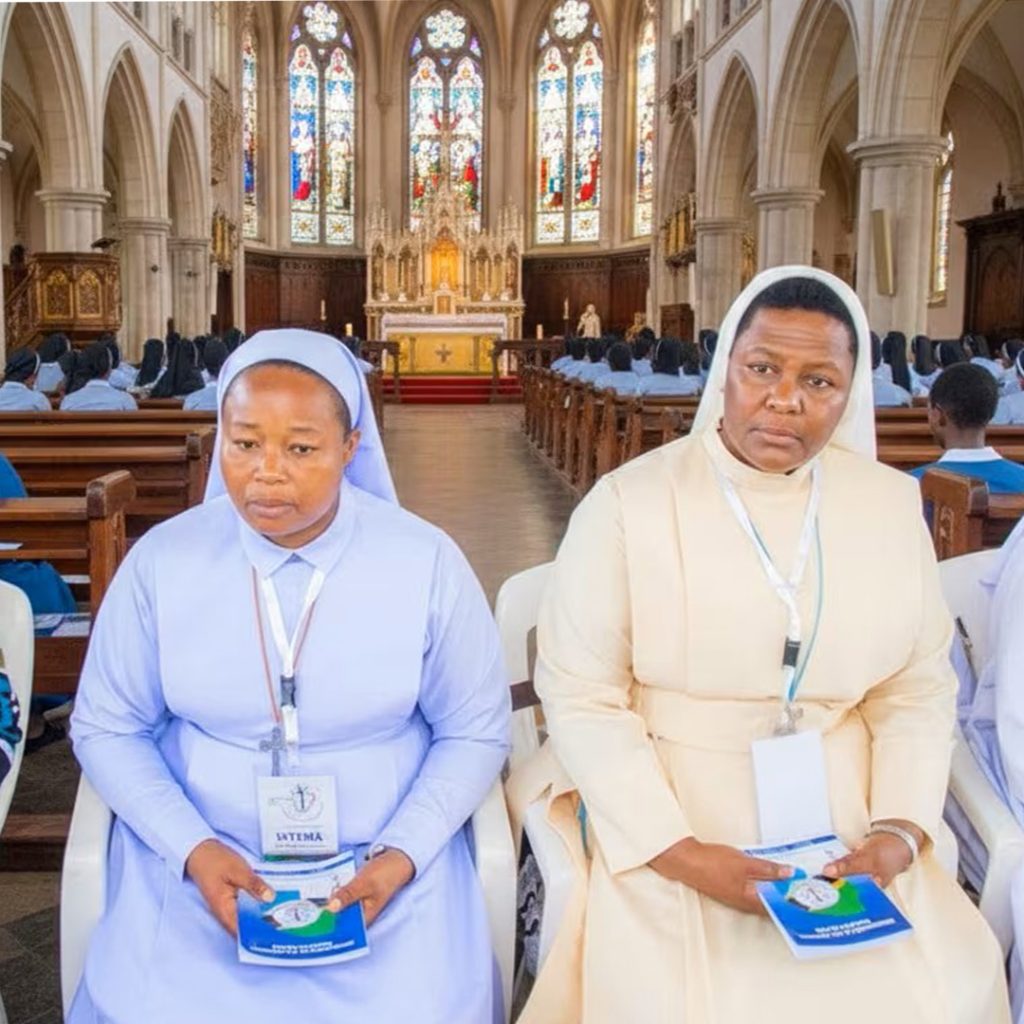
Religion plays a central role in the lives of Tanzanian people. It influences their values, traditions, and daily practices. The country is religiously diverse, embracing various faiths. Christianity and Islam are the main religions in Tanzania. Both faiths have deep roots and significant followings. Indigenous beliefs also persist, often interwoven with mainstream religions. Christianity encompasses a range of denominations. These include Roman Catholic, Lutheran, and Anglican churches. Churches often serve as community hubs, hosting celebrations and social events. Islam is predominantly practiced along the coastal regions. Cities like Dar es Salaam and Zanzibar have large Muslim populations. Mosques provide spiritual and communal centers for worshippers. Indigenous faiths celebrate nature, ancestors, and spirits. They often coexist with other religious practices. This blend of beliefs fosters harmony and mutual respect.
Key religious facts about Tanzania:
- Christianity: Widely practiced across mainland regions
- Islam: Prominent in coastal areas and Zanzibar
- Indigenous Beliefs: Persist among various ethnic groups
Religious festivals mark significant events in Tanzanian society. Celebrations like Easter, Christmas, and Eid are nationally recognized. These occasions strengthen communal bonds and cultural ties. The Tanzanian constitution guarantees freedom of religion, allowing diverse faiths to flourish peacefully. This religious diversity contributes to Tanzania’s cultural richness, making it a nation of unity through faith.
Religion in Tanzania: Faith and Spirituality
Tanzanian cuisine reflects the country’s rich cultural diversity. Each region offers distinct flavors and culinary techniques. Meals are often a social affair, bringing families together. A staple food in Tanzania is ugali, made from maize or cassava. It is typically served with a variety of sauces and vegetables. Nyama choma, or grilled meat, is a popular dish at gatherings. Coastal areas feature dishes rich in spices and seafood. Pilau, a spiced rice dish, is a common festive meal. It highlights the influence of Indian and Arab traders. Street food is a central part of Tanzanian culinary culture. Vendors sell snacks like samosas and vitumbua (rice fritters). These tasty treats are perfect for quick bites on the go.
Popular Tanzanian dishes include:
- Ugali – A maize or cassava-based staple
- Nyama choma – Grilled meat, often goat or beef
- Pilau – Spiced rice dish with a rich aroma
- Samosas – Fried or baked pastry filled with meat or vegetables
- Vitumbua – Sweet rice fritters
Fresh fruits and vegetables are abundant in Tanzania. Tropical fruits like bananas, mangoes, and pineapples are commonly enjoyed. They add natural sweetness to both meals and desserts. Sharing food symbolizes unity and community in Tanzanian culture. Meals are often served on communal platters. Eating together signifies bonding and mutual respect. Tanzanian cuisine is a flavorful reflection of its people’s heritage. Through vibrant ingredients and communal dining, Tanzanians celebrate their diverse culinary traditions. These dishes not only nourish the body but also enrich social and cultural bonds.
Tanzanian Cities: Urban Life and Major Centers
Tanzanian cities are vibrant hubs of culture and commerce. They reflect the country’s blend of tradition and modernity. Each city offers a unique glimpse into Tanzanian life. Dar es Salaam, the largest city, is a bustling port. It serves as the economic heart of Tanzania, with a lively mix of old and new. Here, colonial architecture contrasts with modern skyscrapers. Dodoma, the capital, is centrally located. It hosts government offices and serene landscapes. The city combines administrative duties with a relaxed pace of life. Arusha sits near Mount Kilimanjaro and Serengeti National Park. It is a gateway for tourists and boasts cultural diversity. The city is known for its international diplomacy and trade conferences. Mwanza, on Lake Victoria, is a major agricultural and fishing center. Its scenic beauty and vibrant markets draw both locals and visitors. The city plays a crucial role in the region’s economy.
Key Tanzanian cities include:
- Dar es Salaam: Largest city and economic center
- Dodoma: Administrative capital with quiet charm
- Arusha: Cultural and tourist hub
- Mwanza: Scenic city by Lake Victoria
Urban life in Tanzania reflects a mix of traditional values and modern aspirations. Street vendors offer local delicacies, while markets brim with crafts. Public transit, though busy, connects communities efficiently. The cities host cultural festivals, parades, and markets. These events highlight the country’s artistic and social vibrance. As Tanzania continues to grow, its cities remain vital centers of innovation and tradition. From economic activities to cultural festivals, Tanzanian cities are crucial to understanding the country’s social fabric. They offer a lively interplay of modern advances and deep-rooted traditions.
- Lion: Leadership and bravery
- Elephant: Wisdom and strength
- Leopard: Cunning and stealth
- Buffalo: Resilience and unity
- Rhinoceros: Protection and tenacity
Festivals and Celebrations: Tanzanian Joy and Unity
Tanzanian festivals showcase the country’s cultural diversity and are marked by music, dance, and vibrant community gatherings. These events serve as an expression of unity and cultural pride, reflecting Tanzania’s rich traditions. Celebrations often involve performances, traditional attire, and communal feasts, bringing people together in joyous harmony. Religious and cultural festivities are prominent across the country. Christian and Muslim holidays, like Christmas and Eid, are widely celebrated with family and community activities. In addition to these, unique cultural festivals highlight indigenous customs and practices, fostering greater cultural awareness and appreciation. One of the most renowned events is the Swahili Festival, which celebrates East African culture and traditions. It features traditional music, dance, and art, drawing both locals and tourists. Other notable festivals include:
- Zanzibar International Film Festival: A cultural extravaganza of films and music
- Mwaka Kogwa: A traditional New Year celebration, featuring symbolic rituals
- Unification Day: Celebrating the union of Tanganyika and Zanzibar
Tanzanian festivals offer glimpses into the people’s rich tapestry of customs, symbolizing unity and cultural abundance.
Tanzanian Culture: Traditions, Customs, and Social Life
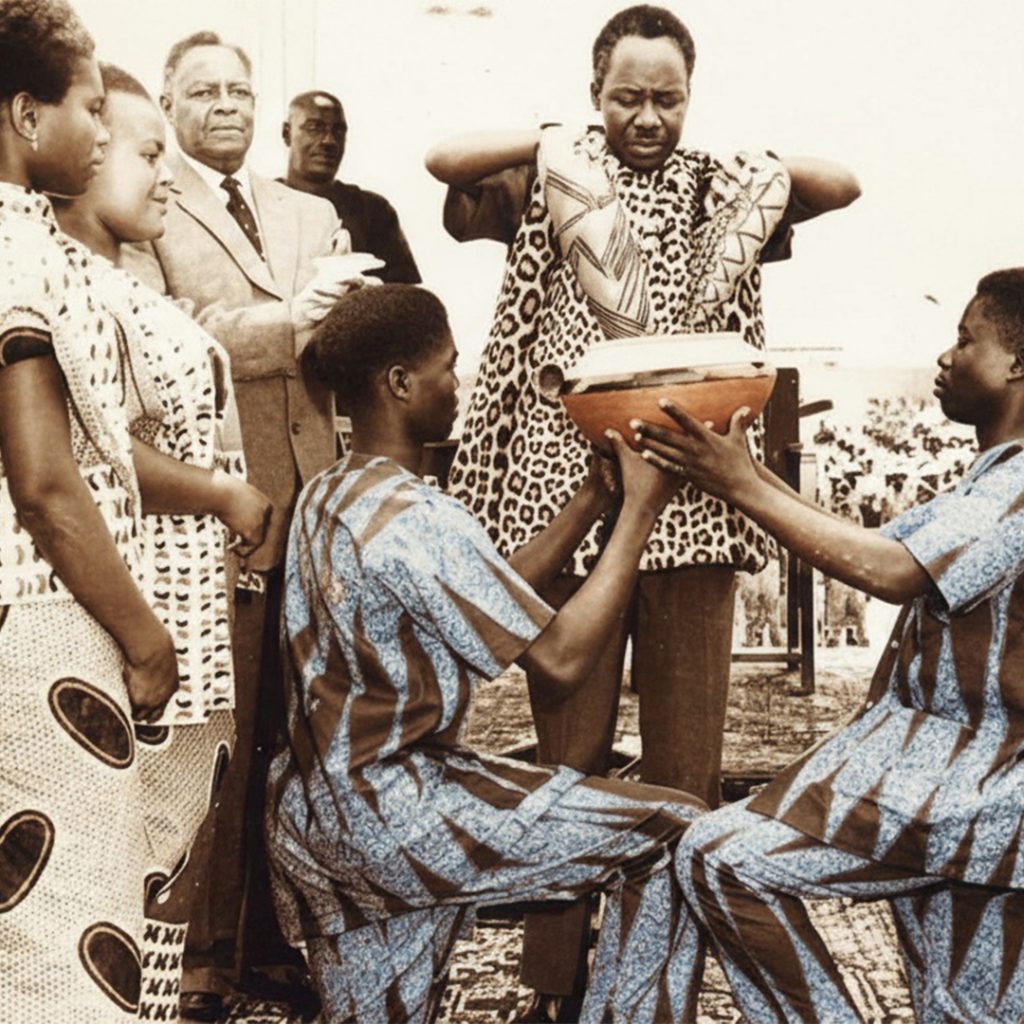
Tanzanian culture is a rich tapestry woven from diverse ethnic traditions. It reflects the country’s varied history and influences. Social customs are deeply rooted in community and kinship. Respect for elders is a cornerstone of social life in Tanzania. Elders are often the keepers of wisdom and tradition. Their guidance is sought for community decisions and family matters. Community plays a vital role in everyday life. People often live in extended family units, fostering close bonds. This communal lifestyle supports social cohesion and shared responsibilities. Celebrations and ceremonies are vibrant expressions of Tanzanian culture. Weddings, births, and festivals feature music and dance. These events strengthen social ties and cultural continuity. Traditional crafts are an integral part of Tanzanian culture. Beadwork, carving, and textile weaving showcase artistic skill. These crafts are often passed down through generations. Hospitality is a cherished value among Tanzanian people. Visitors are warmly welcomed and offered refreshments. This open-heartedness is a reflection of the communal ethos.
Tanzania’s cultural landscape includes:
- Respect for elders
- Community living
- Colorful celebrations
- Artistic crafts
- Warm hospitality
Traditional attire often features vibrant colors and patterns. Clothing varies between regions and ethnic groups. It often signifies cultural identity and heritage. Music and dance are central to community gatherings. Drumming and traditional songs bring events to life. They help convey stories and shared history in a dynamic form. Tanzanian culture thrives on its diverse heritage and shared values. These traditions sustain community bonds and cultural vibrance. Through respect, artistry, and celebration, Tanzanian people express their distinct identity. In embracing the old and new, Tanzanians maintain a dynamic cultural fabric. Traditions continue to evolve, celebrating both history and progress. This blend ensures the continuous vibrancy of Tanzanian cultural life.
Modern Tanzania: Change, Challenges, and Opportunities
Tanzania is a nation at a crossroads of tradition and modernization. The country is embracing technology and infrastructure development while preserving its rich cultural heritage. This balance is critical as Tanzania navigates the complexities of global economic shifts and local needs. Economic growth is fueled by sectors like agriculture, tourism, and mining. Yet, Tanzania faces challenges, including poverty and limited access to education. The government’s commitment to development through sustainable practices and innovations is key to overcoming these obstacles. Initiatives focus on improving infrastructure, empowering communities, and fostering economic resilience. Key opportunities include:
- Expansion of educational facilities: Enhancing literacy and skills
- Investment in renewable energy: Promoting sustainable solutions
- Support for local entrepreneurship: Encouraging innovation and self-reliance
As Tanzania looks to the future, its people continue to demonstrate resilience and hope. The country’s efforts to embrace change while maintaining cultural identity remain a testament to its spirit.
Key Facts About Tanzanian People and Culture
Tanzania is a tapestry of vibrant cultures and traditions. Its people are known for their hospitality and diverse practices across numerous ethnic groups. The national language, Swahili, unites over 120 ethnic communities, fostering national identity and communication. The country’s cultural dynamics involve various elements such as music, dance, and festivals. Social structures emphasize family ties and communal living, reflecting deep-rooted values.
Key highlights include:
- Over 120 ethnic groups
- Swahili as the national language
- Rich traditions in music and dance
- Strong emphasis on community and family bonds
These elements collectively showcase the beauty and complexity of Tanzanian culture and its people.
Rich Culture of Tanzanian People
The Tanzanian people embody a rich tapestry of cultures, languages, and traditions. Their resilience, hospitality, and diverse heritage make Tanzania a unique and fascinating nation. Exploring Tanzania is an invitation to experience a world where tradition and modernity blend seamlessly. This harmony fuels a vibrant society that cherishes its past while looking toward the future.