

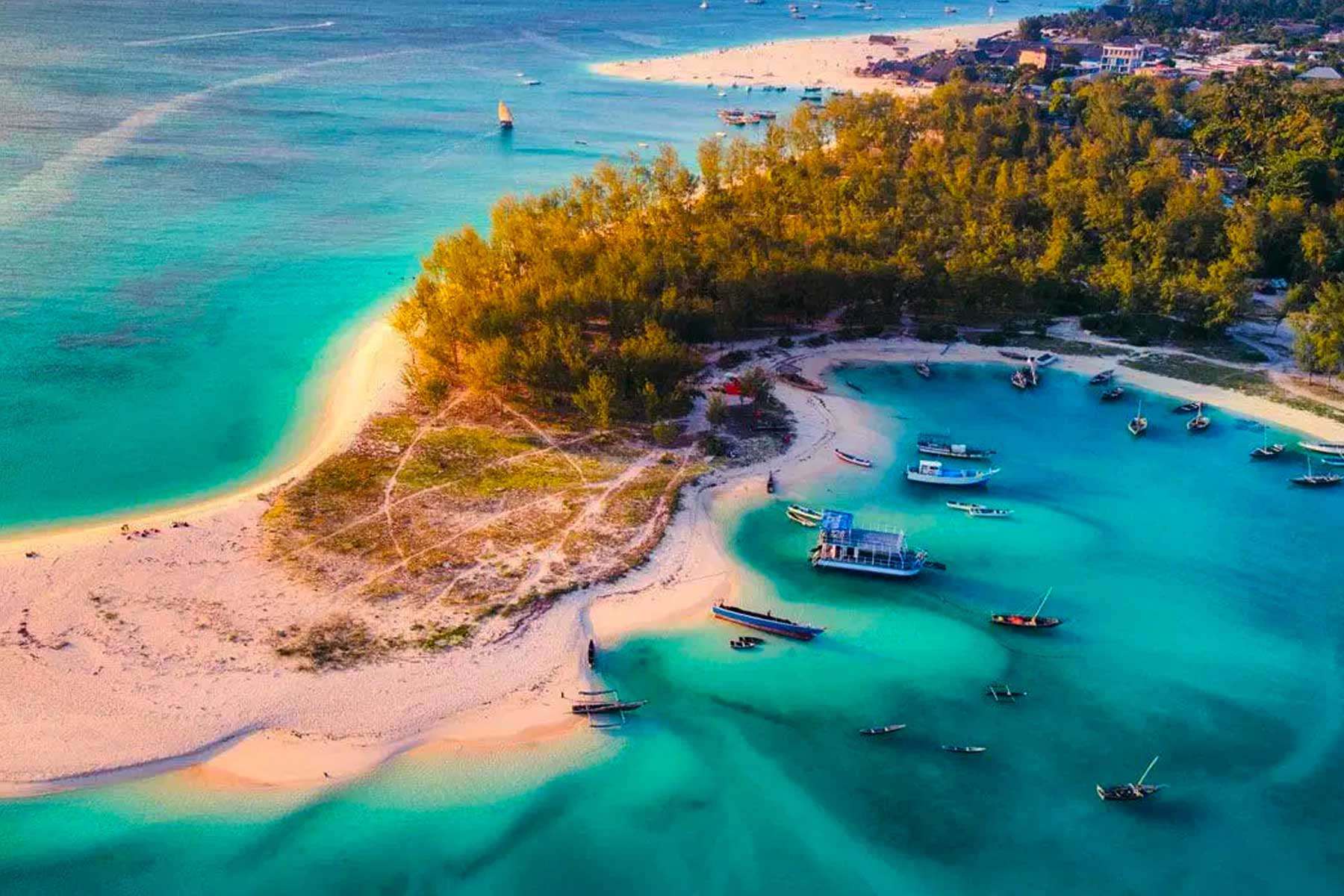
While Zanzibar draws crowds of tourists to its northern shores, Mafia Island remains Tanzania’s best-kept secret – a pristine paradise where time slows and nature flourishes undisturbed. Here, in the azure waters of the Indian Ocean, lies an island where whale sharks glide through crystal waters, coral reefs teem with vibrant life, and beaches remain blissfully free of footprints. This is Mafia Island – not a haven for organized crime as the name might suggest, but rather a sanctuary for travelers seeking authentic experiences away from the well-trodden path.
History and Cultural Heritage
The name “Mafia” bears no connection to organized crime but instead derives from the Arabic “morfiyeh” meaning “archipelago,” or the Swahili “mahali pa afya” meaning “a healthy dwelling place.” This linguistic origin hints at the island’s rich historical tapestry, woven through centuries of trade and cultural exchange.
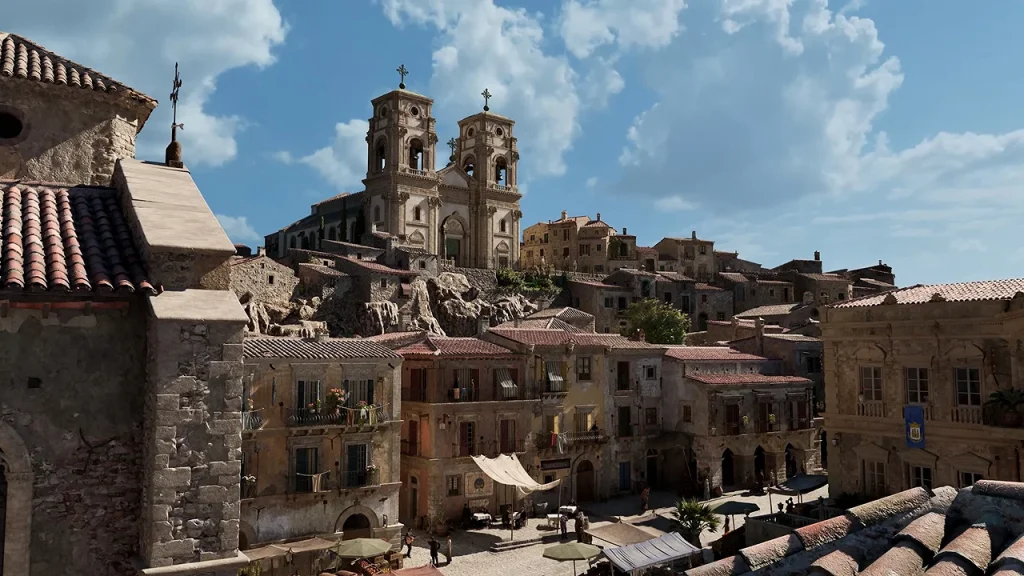
For centuries, Mafia Island served as a vital trading post along the East African coast. Persian and Arab traders established settlements here as early as the 8th century, leaving behind architectural influences still visible in the ruins scattered across the archipelago. The island later fell under the control of the powerful Omani sultanate before becoming a German colony in the late 19th century and eventually a British protectorate until Tanzania’s independence in 1961.
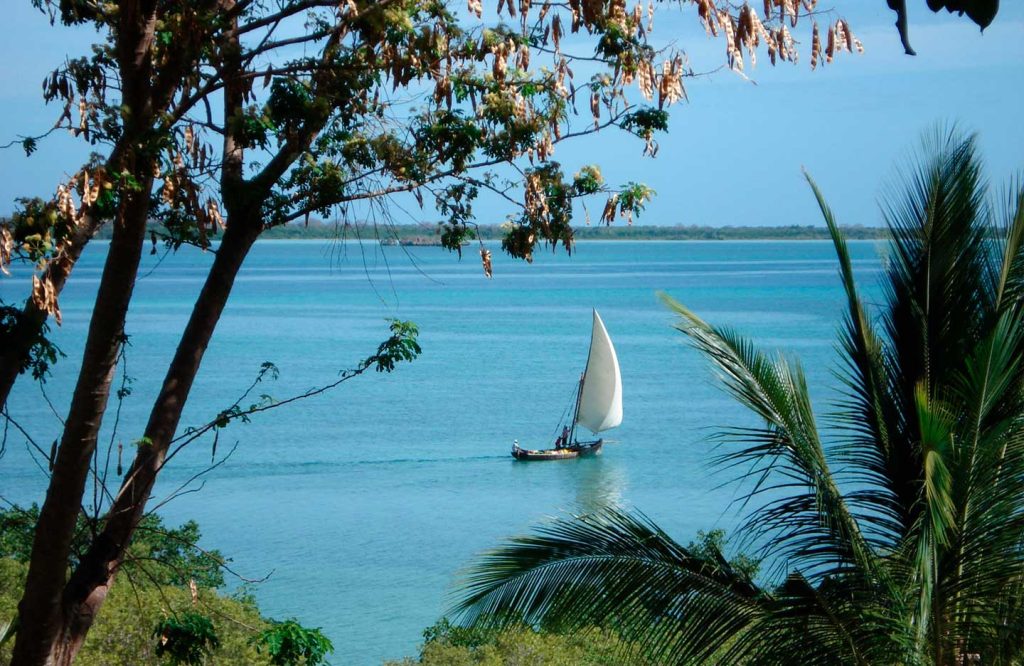
Today, Mafia’s approximately 40,000 residents maintain their traditional way of life, primarily as fishermen and farmers. The islanders, predominantly Muslim, speak Swahili and are known for their warm hospitality. Unlike more commercialized destinations, Mafia offers visitors a genuine glimpse into coastal Tanzanian culture, where dhows (traditional sailing vessels) still ply the waters and village life continues at an unhurried pace.
Geography and Natural Environment
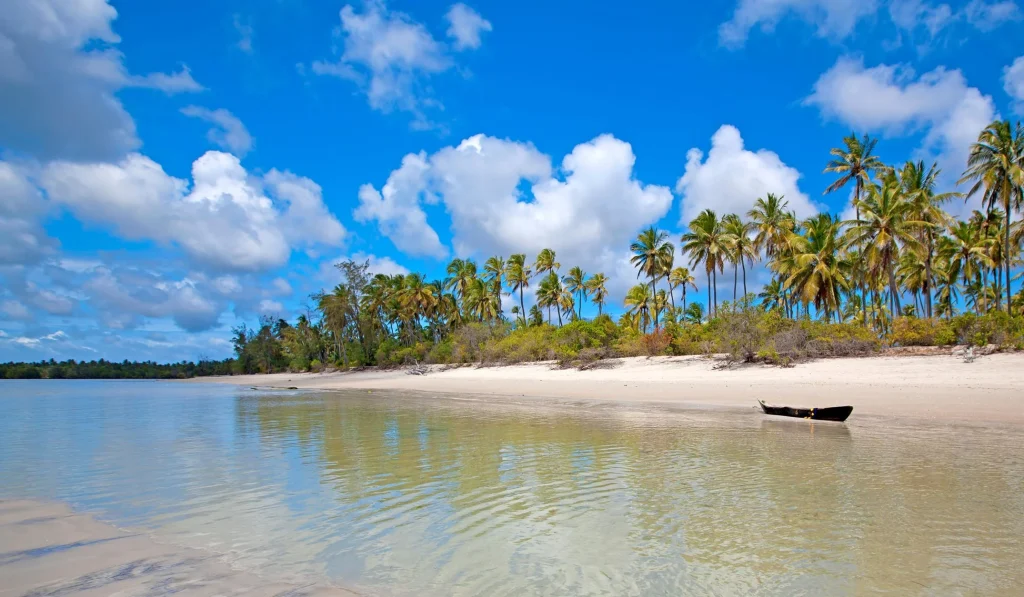
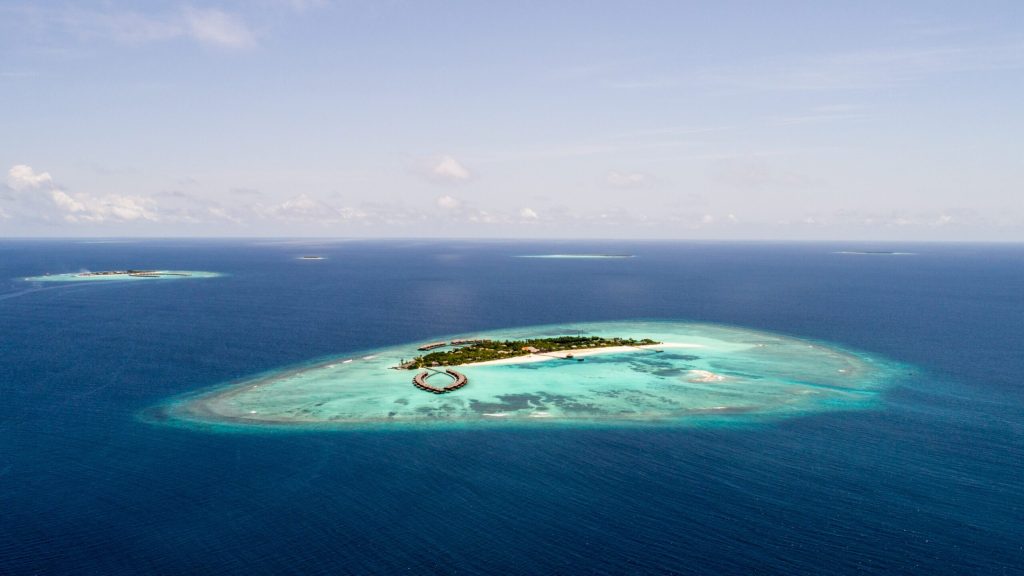
Located approximately 120 kilometers south of Dar es Salaam, Mafia Island is the largest in an archipelago that includes several smaller islands, including Chole, Juani, and Jibondo. The main island stretches about 50 kilometers long and 15 kilometers wide, encompassing diverse ecosystems from mangrove forests to coconut plantations and baobab-studded landscapes.
Mafia Island Marine Park
The crown jewel of Mafia’s natural treasures is undoubtedly the Mafia Island Marine Park, established in 1995 as Tanzania’s first marine park. Covering approximately 822 square kilometers, this protected area encompasses the southern half of the island and its surrounding waters, safeguarding one of East Africa’s most diverse marine ecosystems.
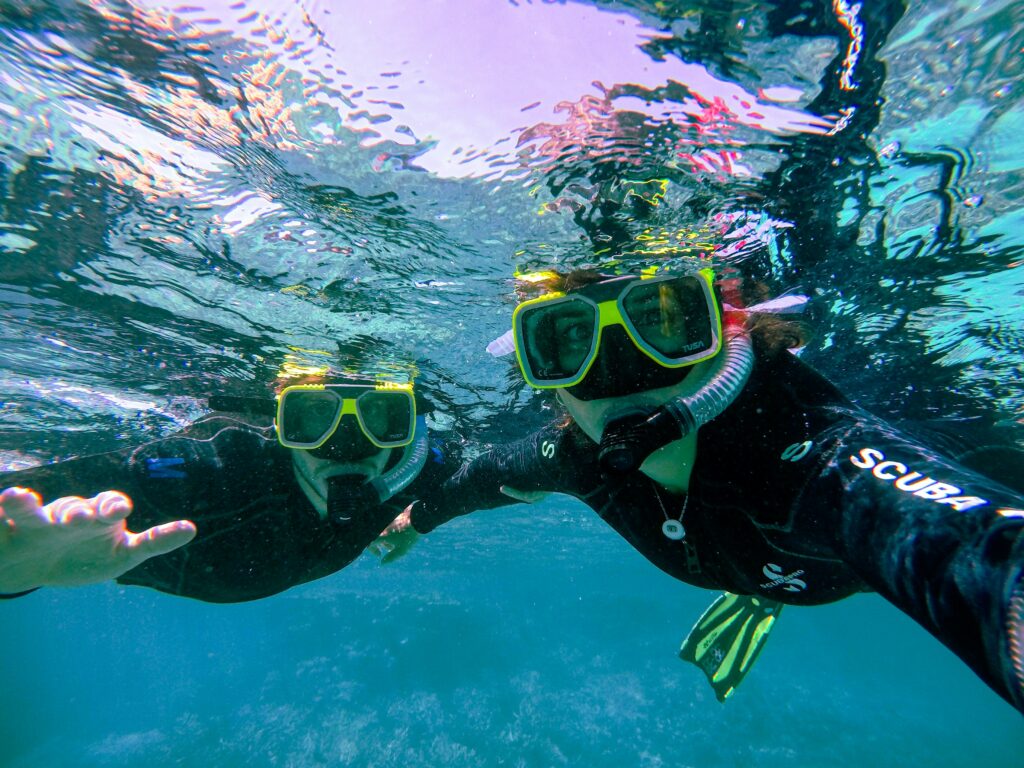
The marine park hosts over 400 species of fish and 48 genera of coral, creating an underwater paradise for divers and snorkelers. Its protected status has allowed marine life to flourish, making it one of the most pristine reef systems in the Indian Ocean. From tiny nudibranchs to massive whale sharks, the biodiversity here is simply astounding.
Mafia Island’s Natural Highlights
- Pristine coral reefs with over 400 fish species
- Seasonal whale shark aggregations (October-March)
- Five species of marine turtles nesting on beaches
- Extensive mangrove forests supporting diverse ecosystems
- Over 120 bird species, including many migratory visitors
- Unspoiled beaches with minimal development
Conservation Challenges
- Climate change impacts on coral reef health
- Pressure from fishing communities for resources
- Limited funding for conservation efforts
- Growing tourism potentially impacting fragile ecosystems
- Turtle egg poaching despite protection efforts
Key Attractions and Activities
Mafia Island offers a wealth of experiences for travelers seeking both adventure and tranquility. From world-class diving to cultural immersion, the island provides authentic encounters far from the crowds of more popular destinations.
Diving and Snorkeling
Mafia Island is renowned as one of East Africa’s premier diving destinations. The protected waters of the marine park offer exceptional visibility and healthy coral systems that support an incredible diversity of marine life.
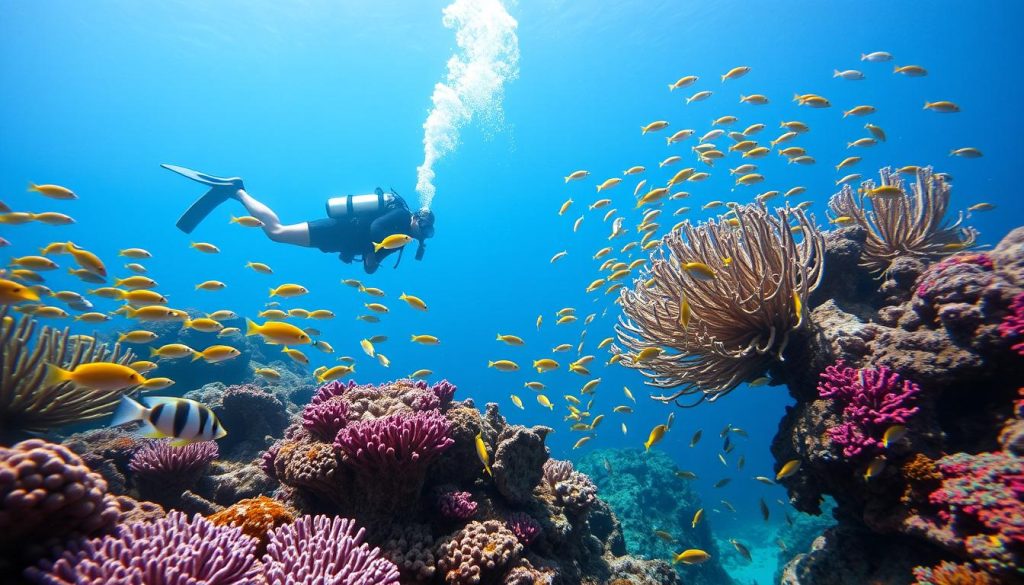
Kinasi Pass, located within Chole Bay, stands as the most famous dive site, featuring dramatic coral walls that drop into the deep blue. Here, divers regularly encounter groupers, napoleon wrasse, and occasionally reef sharks. For those new to diving, the sheltered waters of Chole Bay provide perfect conditions for beginners and training, while experienced divers can venture to outer reef sites like Dindini and Kitutia for more challenging experiences.
Top Dive Sites in Mafia Island
- Kinasi Pass – Famous for its coral walls and large pelagic species
- Chole Bay – Protected waters ideal for beginners with abundant reef fish
- Dindini Wall – Deep wall dive with chances to see sharks and rays
- Kitutia Reef – Outer reef with strong currents and large pelagic species
- Juani Drift – Exciting drift dive along colorful coral gardens
Swimming with Whale Sharks
Perhaps the most extraordinary experience Mafia Island offers is the opportunity to swim alongside whale sharks, the gentle giants of the ocean. From October to March, these magnificent creatures—which can grow up to 12 meters in length—gather in the channel between Mafia and the mainland to feed on plankton blooms.
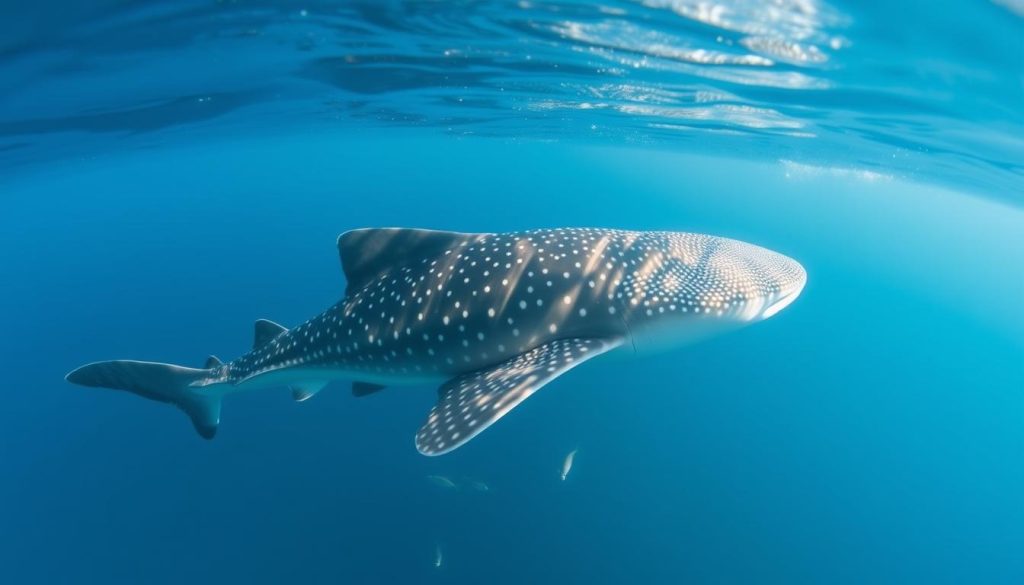
Local operators offer responsible whale shark encounters, taking small groups by boat to areas where these filter-feeders congregate. Unlike other destinations where whale shark sightings are unpredictable, Mafia boasts a success rate of over 90% during peak season, making it one of the world’s most reliable places to encounter these magnificent creatures.
Experience the Majesty of Whale Sharks
Join our expert guides for an unforgettable encounter with the ocean’s gentle giants. Our responsible whale shark excursions run from October to March with a 90% sighting success rate.
Historical Sites
The Mafia Archipelago is dotted with fascinating historical ruins that tell the story of its rich past. On Chole Island, just a short boat ride from Mafia, visitors can explore the atmospheric remains of a once-thriving 19th-century settlement, including a German colonial administrative center, an ancient mosque, and crumbling merchant houses.
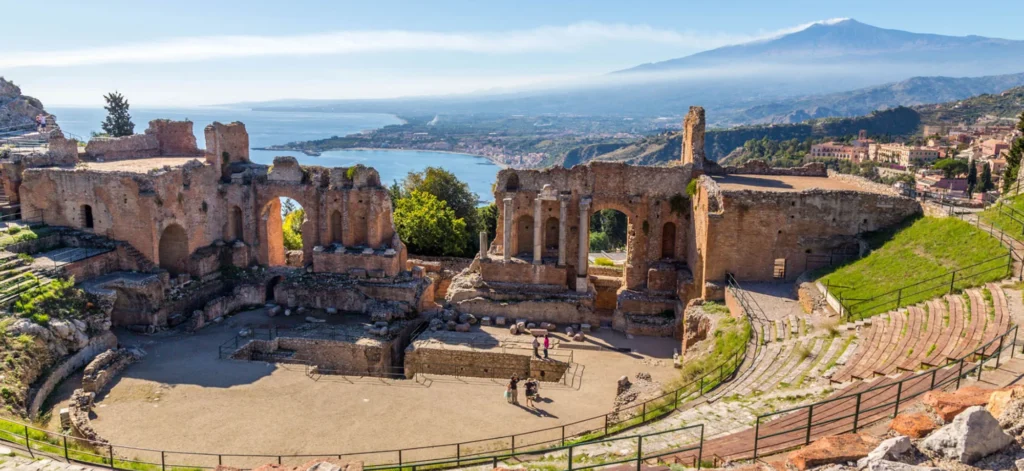
On neighboring Juani Island, the Kua Ruins offer an even more evocative glimpse into the past. This once-prosperous city dates back to the 12th century and features the remains of a sultan’s palace, several mosques, and numerous stone houses. Now reclaimed by jungle, with massive fig trees growing through ancient walls, the site creates an almost mystical atmosphere reminiscent of a lost civilization.
Beaches and Relaxation
For many visitors, Mafia’s greatest appeal lies in its pristine, uncrowded beaches. Unlike Zanzibar’s more developed coastline, Mafia’s shores remain largely untouched, offering a genuine escape from the modern world.
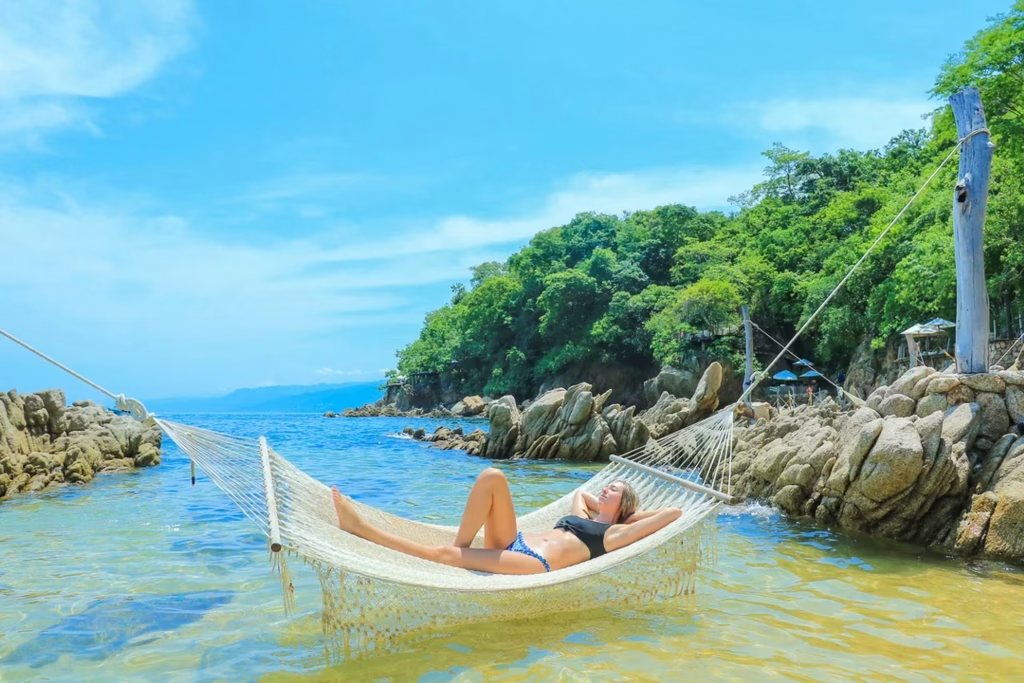
Utende Beach on the southeast coast offers a perfect combination of soft white sand and sheltered waters, ideal for swimming and relaxation. For those seeking even more seclusion, boat trips to sandbanks that emerge at low tide provide the ultimate private beach experience—temporary islands of pristine sand surrounded by nothing but crystal-clear waters.
Bird Watching
Mafia Island is a paradise for bird enthusiasts, with over 120 species recorded within the archipelago. The island’s diverse habitats, from mangrove forests to open woodlands, support both resident and migratory bird populations.
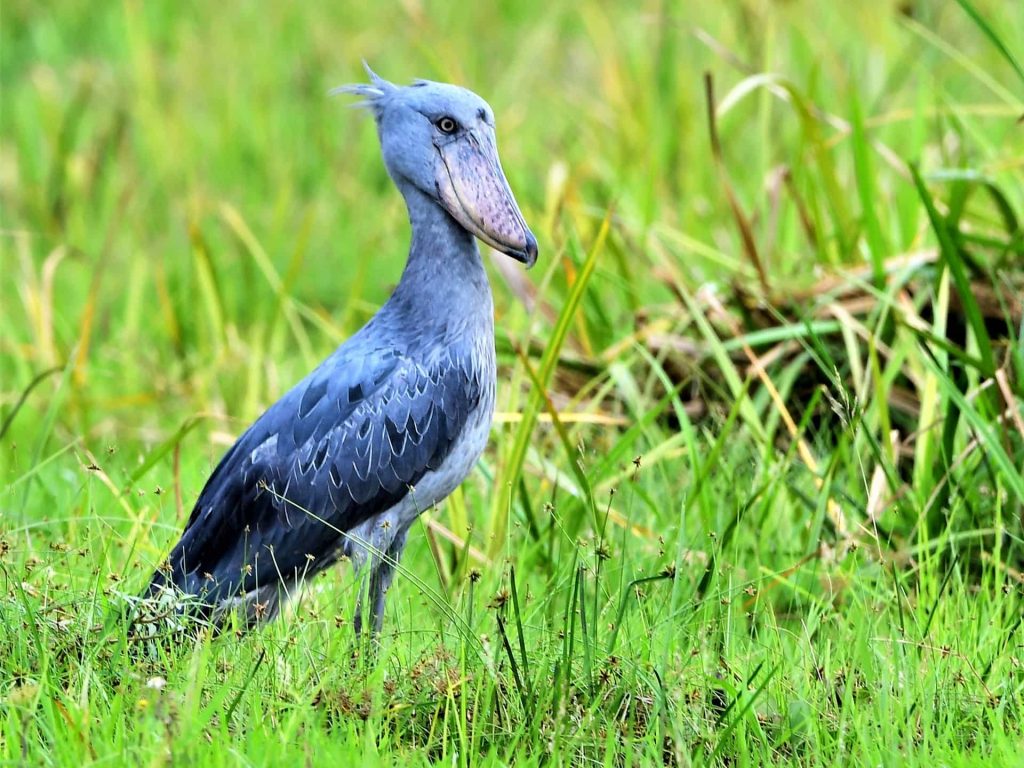
The mangrove channels between Mafia and Chole islands are particularly rich in birdlife, with species such as the mangrove kingfisher, palm-nut vulture, and various herons and egrets commonly spotted. During the northern hemisphere winter, the island also welcomes numerous migratory species, making it an excellent year-round destination for birders.
Local Village Visits
For travelers interested in cultural experiences, visits to Mafia’s traditional villages offer authentic insights into island life. Kilindoni, the main settlement, hosts a vibrant market where locals trade fresh produce, spices, and handcrafted items.
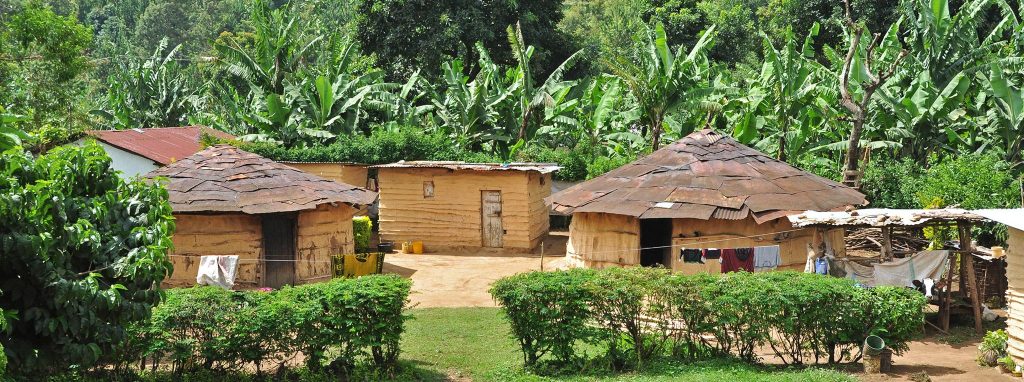
In smaller villages across the island, visitors can observe traditional boat building, coconut harvesting, and rope making—crafts that have sustained the community for generations. Unlike more touristy destinations, these cultural encounters on Mafia remain genuine and unhurried, allowing for meaningful connections with local residents.
Practical Information for Travelers
How to Get There
Reaching Mafia Island requires a bit more effort than visiting Zanzibar, which partly explains its unspoiled character. Most visitors arrive via a 30-minute flight from Dar es Salaam, with both Coastal Aviation and Auric Air offering daily services to Mafia’s small airstrip near Kilindoni.
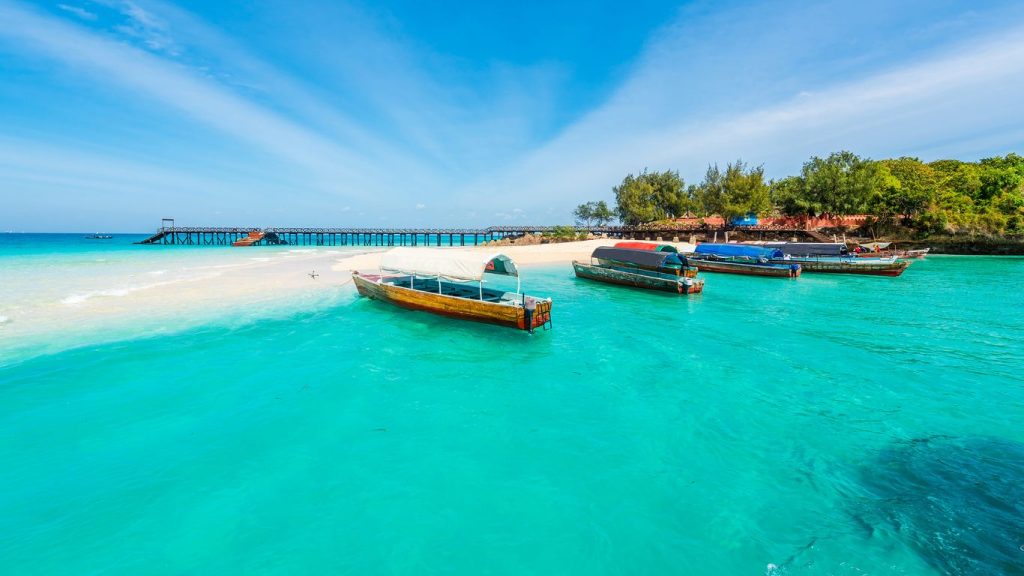
For budget travelers, there is also a government ferry service from Nyamisati on the mainland, though the schedule can be unreliable and the journey takes around 4 hours. Most visitors find the short flight well worth the additional cost for the convenience and spectacular aerial views of the coast.
| Transportation Option | Duration | Frequency | Approximate Cost | Notes |
| Flight from Dar es Salaam | 30 minutes | 2-3 daily | $150-200 one-way | Most reliable and convenient option |
| Flight from Zanzibar | 45 minutes | 1-2 daily (seasonal) | $200-250 one-way | Not available year-round |
| Ferry from Nyamisati | 4 hours | 3 times weekly | $7-10 one-way | Unreliable schedule, basic conditions |
Accommodation
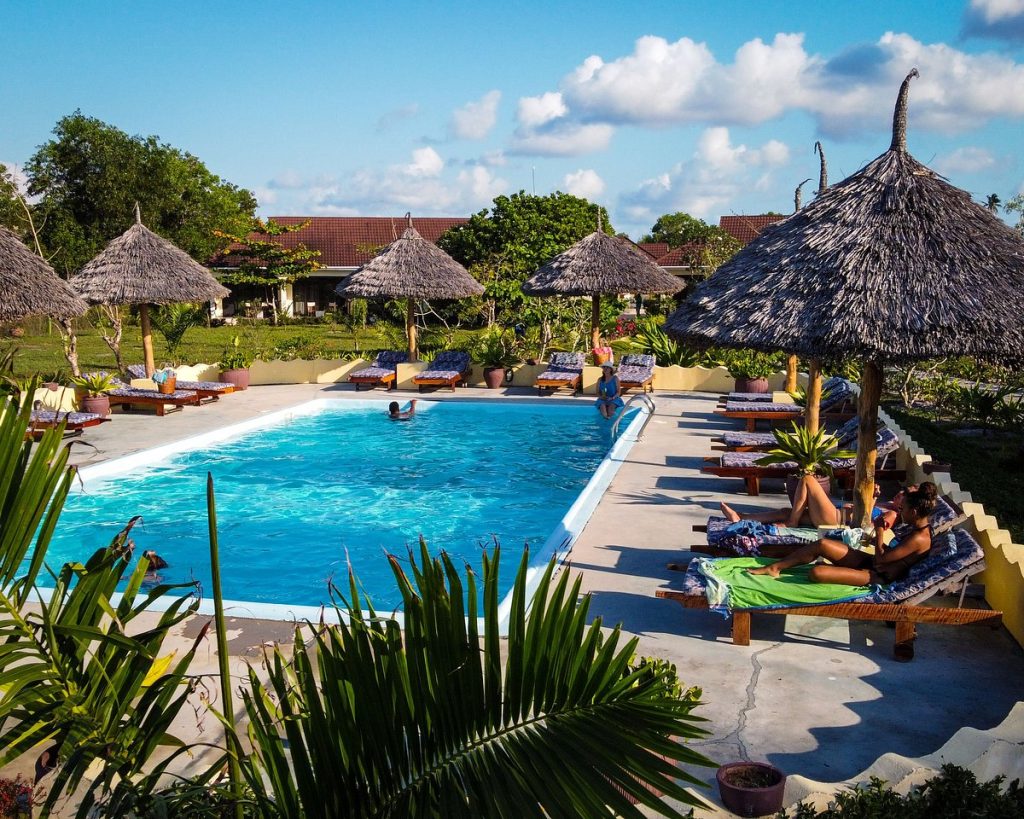
Mafia Island offers a select range of accommodations that focus on quality rather than quantity. Most lodges embrace an eco-friendly approach that complements the island’s natural beauty.
Luxury Options
- Pole Pole Bungalows – Intimate eco-lodge with just seven bungalows, renowned for exceptional service and cuisine
- Kinasi Lodge – Colonial-style resort with spacious rooms, swimming pool, and on-site dive center
- Thanda Island – Exclusive private island villa for the ultimate luxury experience
Mid-Range Options
- Butiama Beach – Relaxed beachfront lodge with comfortable rooms and friendly atmosphere
- Shamba Kilole – Italian-owned eco-lodge with organic garden and excellent food
- Chole Mjini Lodge – Unique treehouse accommodations on Chole Island
Find Your Perfect Island Retreat
From luxury eco-lodges to unique treehouse accommodations, we’ll help you discover the perfect place to experience Mafia Island’s magic.
Best Time to Visit
Mafia Island enjoys a tropical climate with distinct dry and wet seasons. The timing of your visit should align with your primary interests and preferred weather conditions.
| Season | Months | Weather | Activities | Visitor Numbers |
| Dry Season (Peak) | June to October | Clear skies, lower humidity, cooler temperatures | Excellent diving with best visibility, bird watching | Highest (still low compared to Zanzibar) |
| Short Rains | November to December | Brief afternoon showers, warm temperatures | Whale shark season begins, good diving | Moderate |
| Green Season | January to February | Hot, occasional showers, higher humidity | Peak whale shark season, turtle hatching | Moderate |
| Long Rains | March to May | Heavy rainfall, high humidity | Limited diving, some lodges close | Lowest |
For whale shark enthusiasts, the period from October to March offers the best chances of encounters. Divers seeking optimal visibility should visit during the dry season from June to October. The long rainy season from March to May sees some lodges close temporarily, making it the least ideal time to visit.
Getting Around
Mafia Island’s small size and limited infrastructure make getting around relatively straightforward. Most lodges arrange airport transfers for guests, typically using 4×4 vehicles to navigate the island’s unpaved roads.
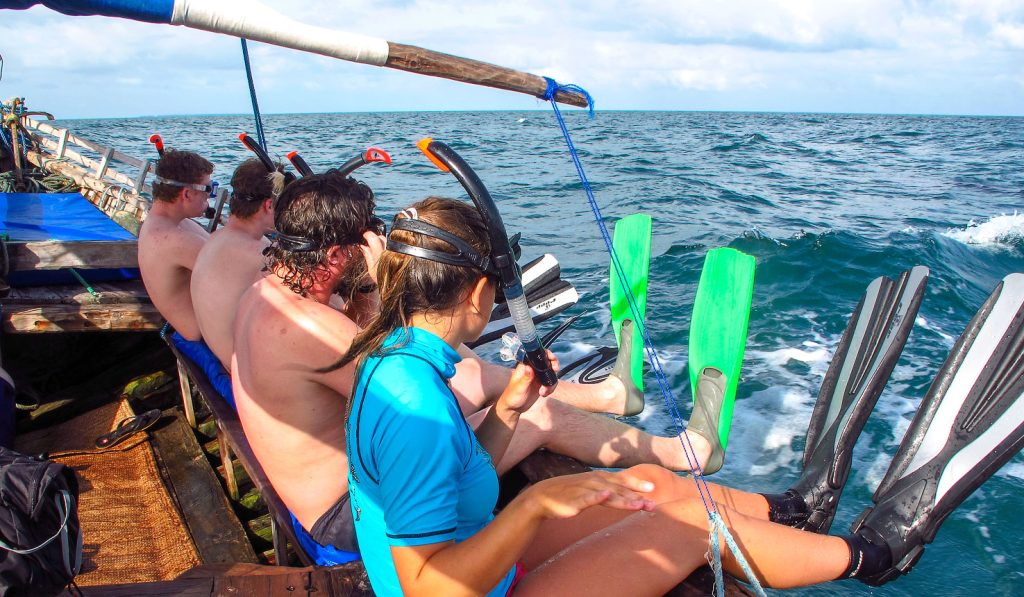
For exploring the main island, options include hiring a bicycle, arranging a taxi, or joining guided excursions organized by your accommodation. To visit the smaller islands like Chole and Juani, boat transfers are necessary and can be arranged through most lodges or local operators in Utende.
Combining Mafia Island with a Tanzania Safari
Mafia Island makes an ideal beach extension to a wildlife safari on mainland Tanzania. The island’s relaxed atmosphere provides the perfect contrast to the excitement of game drives and wildlife encounters.
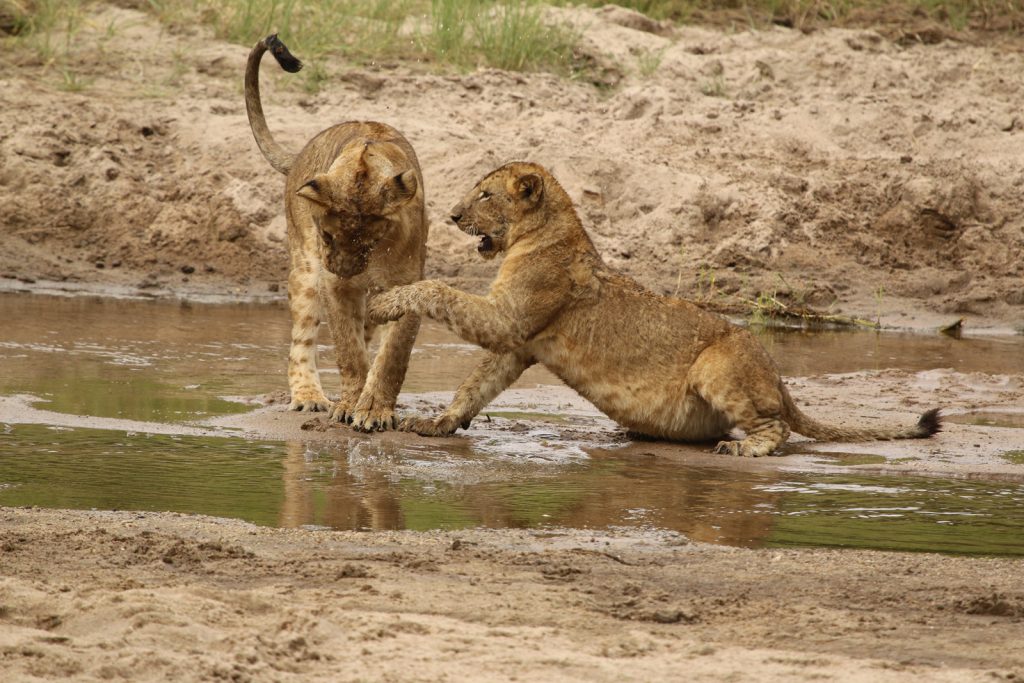
For those visiting Tanzania’s southern safari circuit, including Nyerere National Park (formerly Selous) and Ruaha National Park, Mafia is particularly convenient. A short flight connects these wilderness areas with the island, allowing for a seamless safari-and-beach combination.
Visitors to the northern circuit (Serengeti, Ngorongoro Crater) can also easily add Mafia to their itinerary, typically with a connecting flight through Dar es Salaam. Many tour operators offer package deals that combine the best of Tanzania’s wildlife viewing with Mafia’s marine treasures.
Popular Safari-Beach Combinations
- Southern Circuit & Mafia – 7-10 days combining Nyerere and Ruaha with Mafia Island
- Northern Highlights & Mafia – 10-14 days exploring Serengeti and Ngorongoro before relaxing on Mafia
- Tanzania Complete – 14+ days comprehensive itinerary including both circuits and Mafia Island
Why Choose Mafia Island
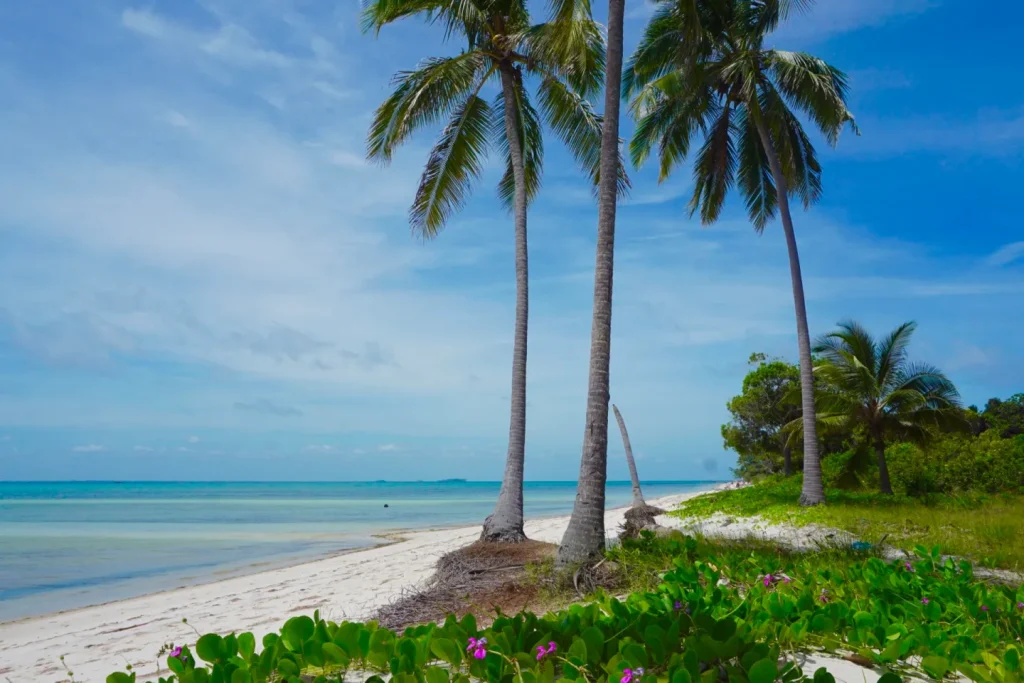
In a world where truly unspoiled destinations become increasingly rare, Mafia Island stands as a testament to what sustainable tourism can preserve. Here, visitors find not just pristine nature and extraordinary marine life, but also an authentic cultural experience that has largely disappeared from more developed destinations.
The island offers a perfect balance of adventure and tranquility—world-class diving and whale shark encounters alongside peaceful beaches and starlit evenings. Its small collection of thoughtfully designed accommodations ensures comfort without compromising the island’s natural character.
For travelers seeking meaningful experiences over mass tourism, Mafia Island represents Tanzania at its most authentic—a place where nature’s rhythms still dictate daily life, and where visitors can disconnect from the modern world to reconnect with something more profound.
Begin Your Mafia Island Journey
Let us help you discover the magic of this unspoiled paradise. Our expert team will craft a personalized Mafia Island experience that combines adventure, relaxation, and authentic cultural encounters.