

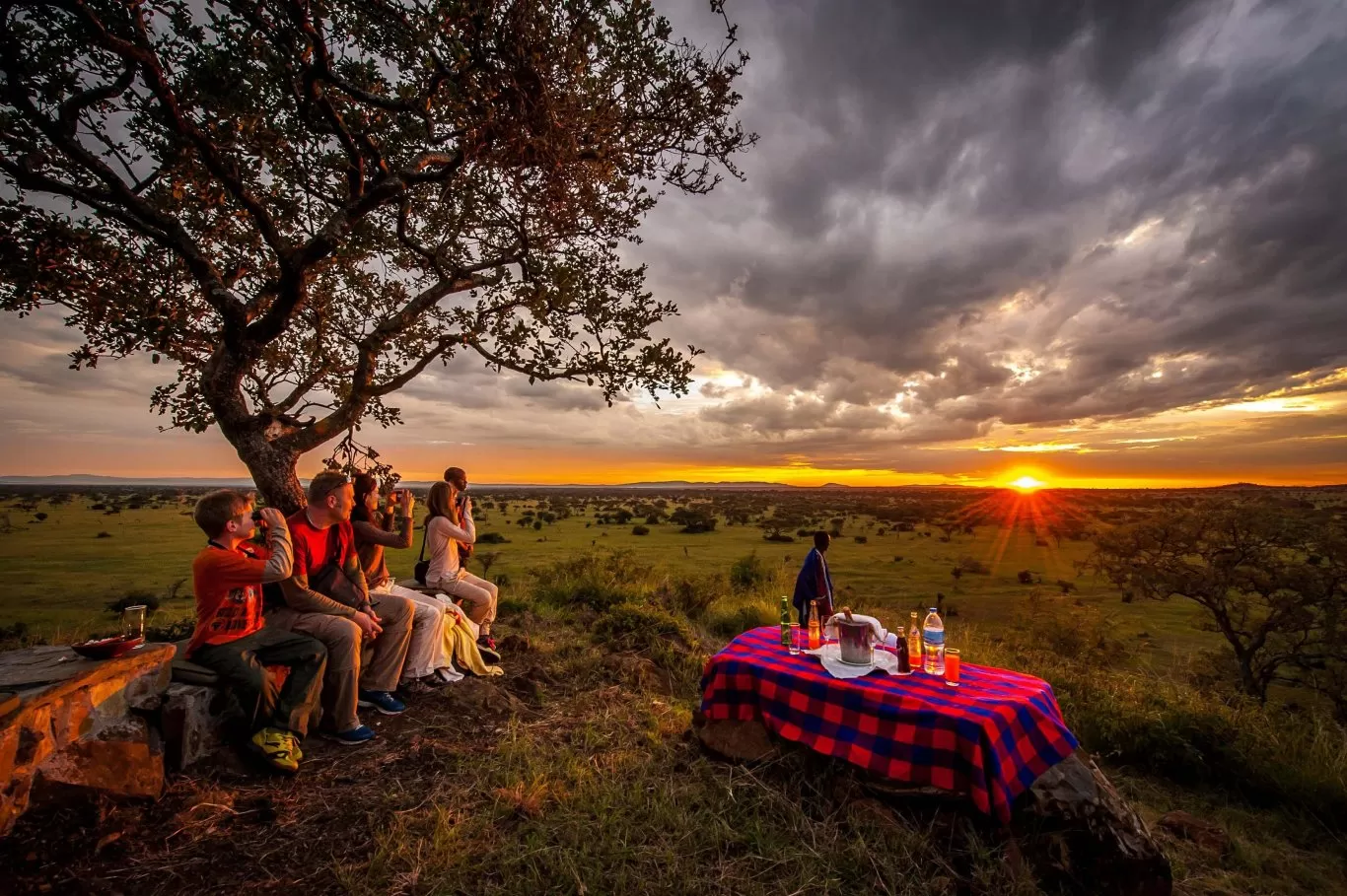
A family safari in Tanzania offers an extraordinary opportunity to witness nature’s grandeur while creating lifelong memories with your loved ones. The endless plains of the Serengeti, the majestic Ngorongoro Crater, and the elephant-rich landscapes of Tarangire await your discovery. This comprehensive guide will help you plan the perfect Tanzania safari experience that caters to all family members, addressing common concerns while highlighting the magical moments that make Tanzania the ultimate family adventure destination.
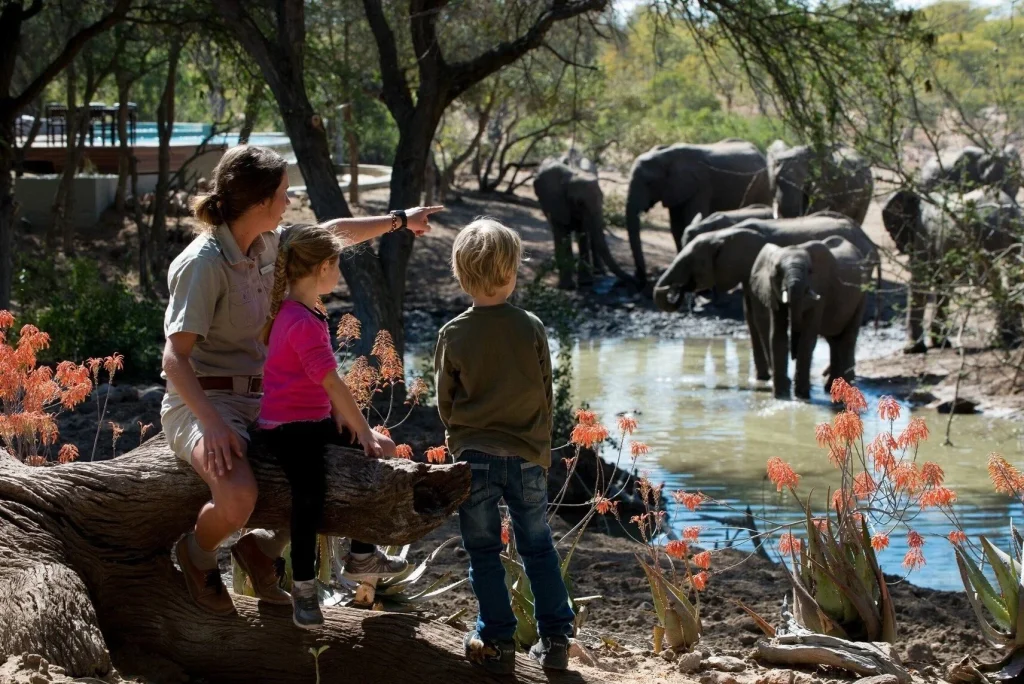
Experience the wonder of seeing Tanzania’s magnificent wildlife with your children
Why Choose Tanzania for Your Family Safari
Tanzania stands out as one of Africa’s premier family safari destinations for several compelling reasons. The country boasts exceptional wildlife viewing opportunities with relatively predictable animal movements, making it easier to plan a successful safari experience for families with limited time. Tanzania’s safari industry is well-established, offering various accommodation options specifically designed with families in mind.
Unlike some African destinations, Tanzania offers incredible diversity within relatively short distances. You can witness the Great Migration in the Serengeti, explore the world’s largest intact volcanic caldera at Ngorongoro, and observe massive elephant herds in Tarangire—all within a single well-planned itinerary.
Ready to Start Planning Your Family Safari?
Our Tanzania safari specialists can help create the perfect itinerary for your family’s needs and interests.
Best National Parks for Family Safaris in Tanzania
Tanzania offers several outstanding national parks and conservation areas that are particularly well-suited for families. Each destination provides unique wildlife viewing opportunities and landscapes that will captivate both children and adults alike.
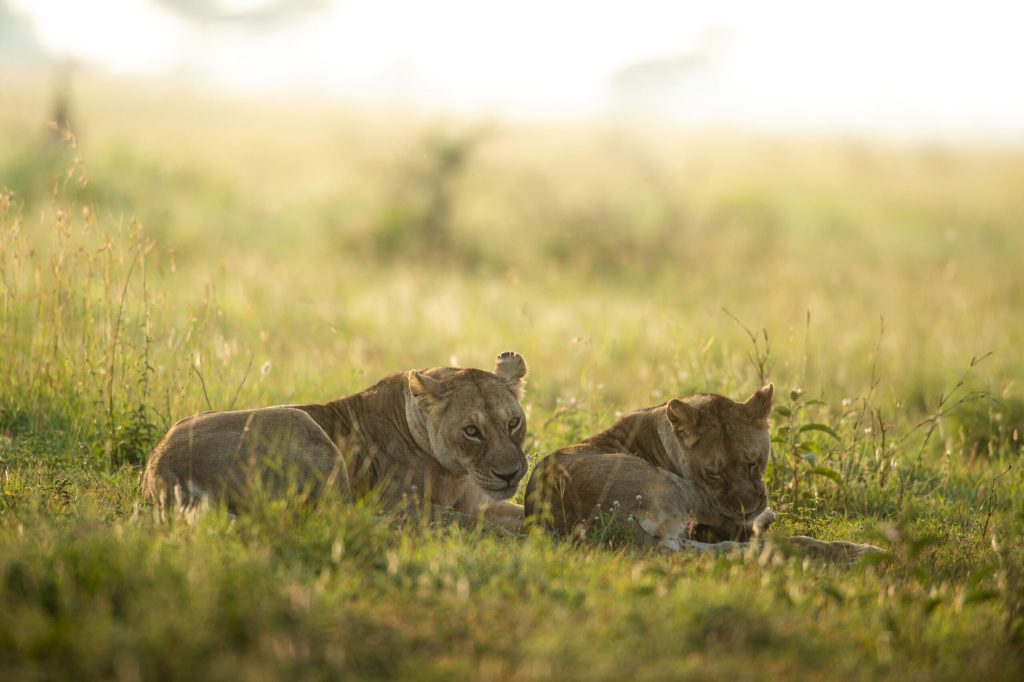
Serengeti National Park
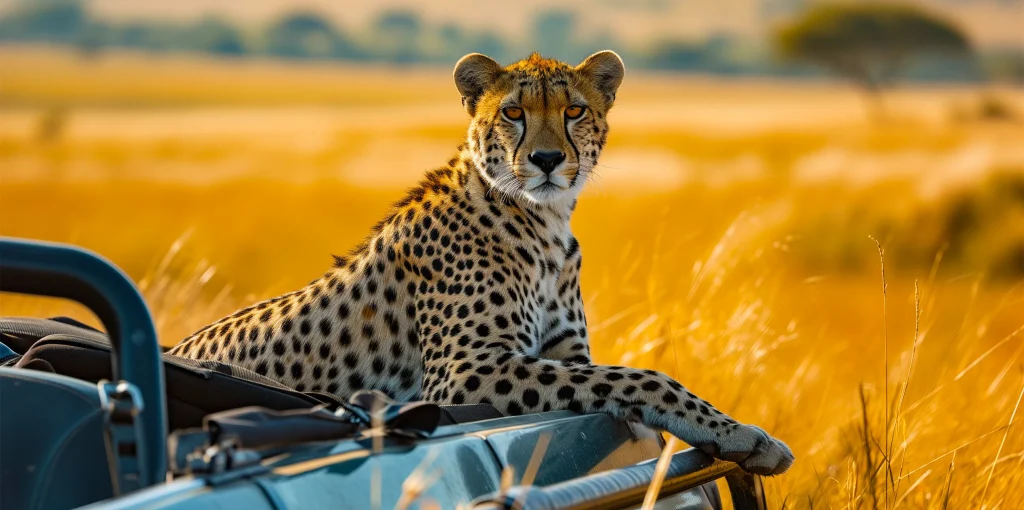
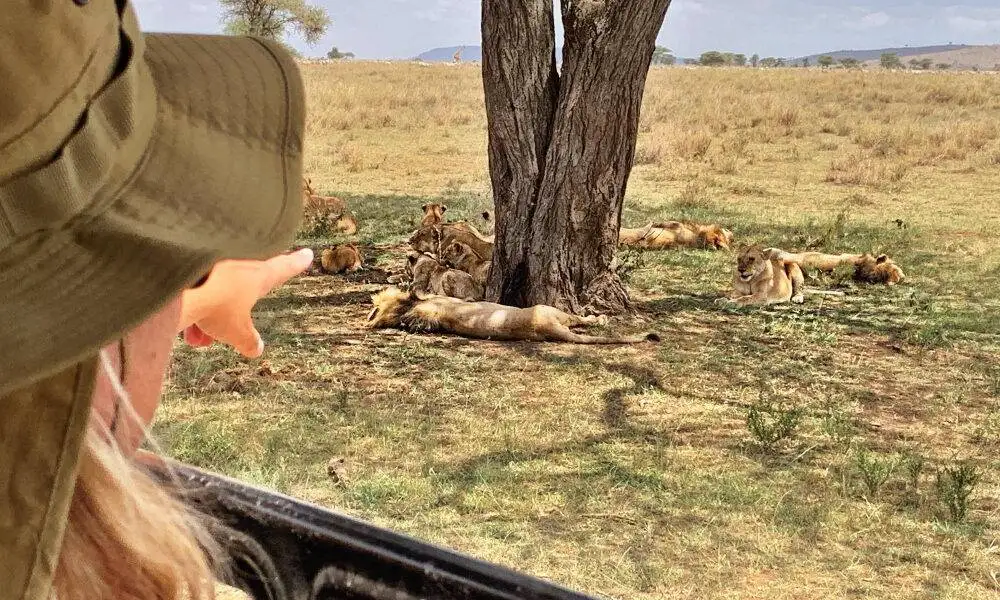
The Serengeti offers unparalleled wildlife viewing and the spectacular Great Migration. Its vast plains make spotting animals easier, and the diversity of wildlife—from lion prides to massive herds of wildebeest and zebra—ensures children remain engaged. Many lodges offer family tents or villas with age-appropriate activities.
Best for: Big cat sightings, the Great Migration (depending on season), and diverse wildlife viewing.
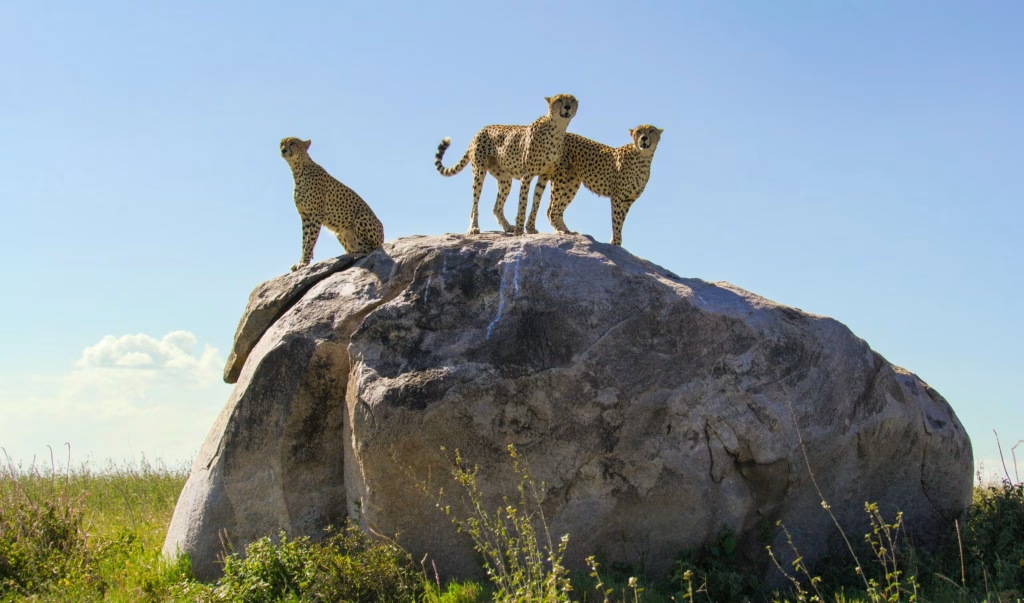
Ngorongoro Crater
This UNESCO World Heritage site offers a compact safari experience within a 102-square-mile volcanic caldera. The contained nature of the crater means wildlife viewing is almost guaranteed, with high densities of animals including the endangered black rhino. The crater’s dramatic scenery provides a natural science lesson about volcanic formations.
Best for: Concentrated wildlife viewing, possible rhino sightings, and spectacular scenery.
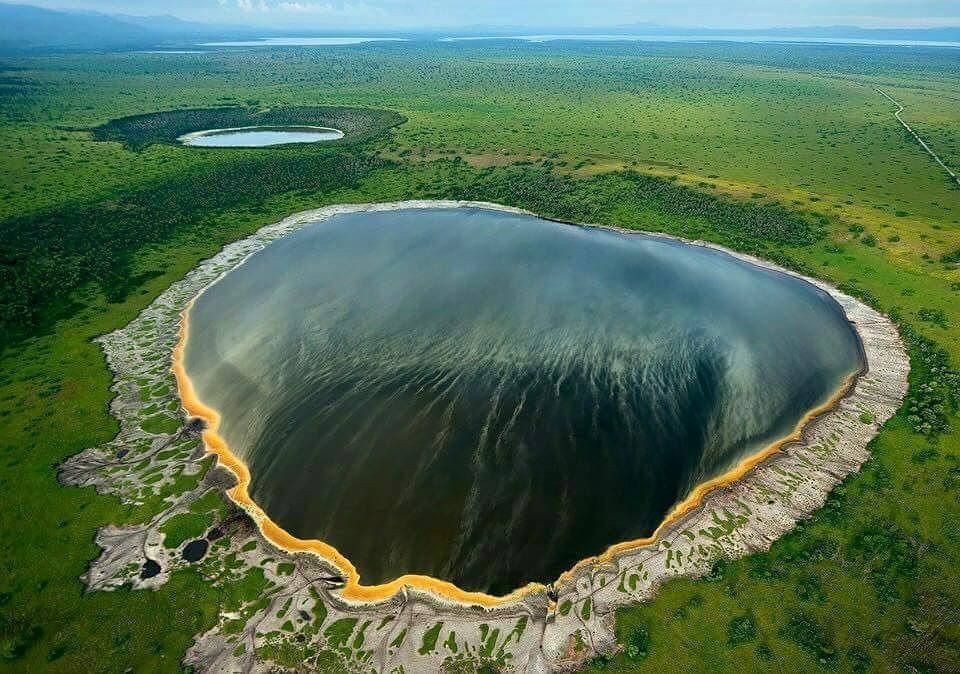
Tarangire National Park
Known for its massive elephant herds and iconic baobab trees, Tarangire is less crowded than other parks while still offering excellent wildlife viewing. The park’s diverse landscapes, from river valleys to open savanna, provide varied scenery. Many lodges here offer swimming pools—a welcome feature for families with children.
Best for: Elephant encounters, baobab-dotted landscapes, and a more relaxed safari experience.
“Our safari was breathtaking and emotional, especially seeing my children’s eyes as they took in the scenery, people and wildlife. There are no words to capture the feelings of our experience!”
Ideal Age Ranges for Children on Safari
While there’s no perfect age for a child’s first safari, certain age ranges tend to get the most from the experience. Most safari operators in Tanzania have minimum age requirements, typically between 5-8 years old, though this varies by accommodation type and safari style.
Ages 5-7: Early Explorers
Children in this age range can enjoy safari experiences but may have shorter attention spans. Look for lodges offering specific children’s programs and limit game drives to 2-3 hours. Focus on properties with swimming pools and other activities to break up wildlife viewing.
Ages 8-12: Eager Adventurers
This is often considered an ideal age range for a first safari. Children are old enough to appreciate wildlife sightings, engage with guides, and participate in educational activities. They can handle longer game drives and will likely remember the experience for years to come.
Ages 13-17: Young Naturalists
Teenagers can fully engage with the safari experience, including longer game drives and more in-depth learning opportunities. Many will appreciate photography opportunities and cultural interactions. Some lodges offer teen-specific activities like junior ranger programs.
Special Considerations
Regardless of age, consider your own child’s temperament, interest in animals, and ability to handle early mornings and long days. Some safari activities, like hot air balloon rides, have strict minimum age requirements (typically 7+ years).
Not Sure If Your Children Are Ready for Safari?
Download our free guide to age-appropriate safari activities and accommodations in Tanzania.
Recommended Safari Durations for Families
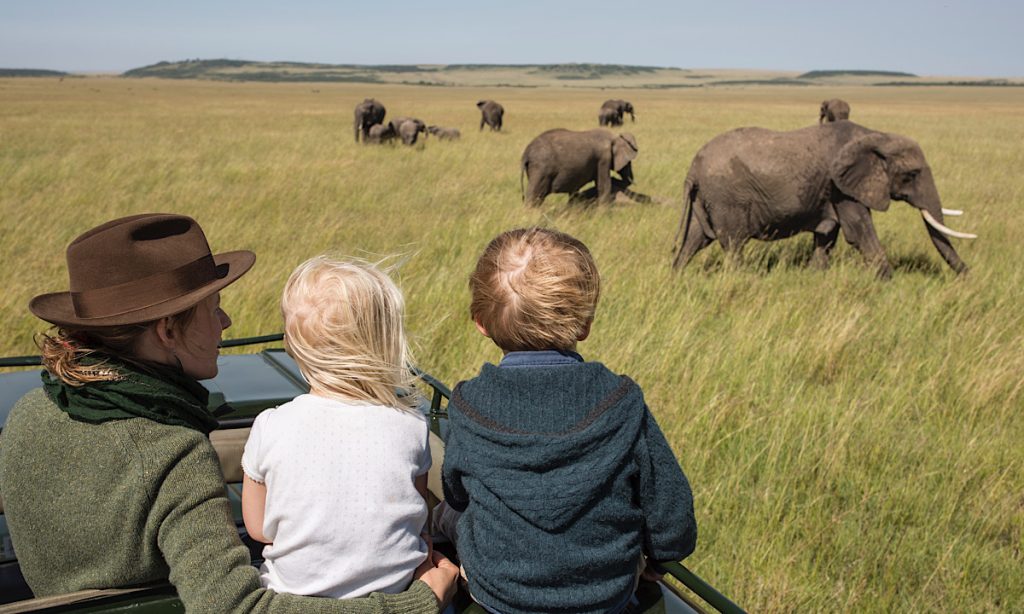
Finding the right balance between experiencing Tanzania’s highlights and avoiding travel fatigue is crucial for family safaris. Here are recommended durations based on our analysis of successful family safari itineraries:
| Duration | Ideal For | Parks Covered | Pace | Recommended Ages |
| 7-8 Days | First-time safari families with limited time | 2-3 parks (typically Serengeti, Ngorongoro, and Tarangire) | Moderate, with some longer travel days | 8+ years |
| 10-12 Days | Families wanting a comprehensive experience | 3-4 parks with longer stays at each | Relaxed, with rest days built in | All ages (with appropriate pacing) |
| 14+ Days | Families combining safari with beach extension | 3-4 parks plus Zanzibar or other coastal areas | Very relaxed with ample downtime | All ages |
For most families, a 10-day safari hits the sweet spot—providing enough time to experience Tanzania’s highlights without overwhelming younger travelers. This duration allows for at least two nights in each location, reducing the need for constant packing and unpacking.
Pro Tip: Consider adding a few days at the beginning of your safari to recover from jet lag, especially when traveling with younger children. Many families also choose to end their safari with a few relaxing days on Zanzibar’s beaches.
Family-Friendly Safari Accommodations
Tanzania offers a wide range of accommodation options suitable for families, from luxury lodges to comfortable tented camps. When selecting where to stay, consider these family-friendly features:
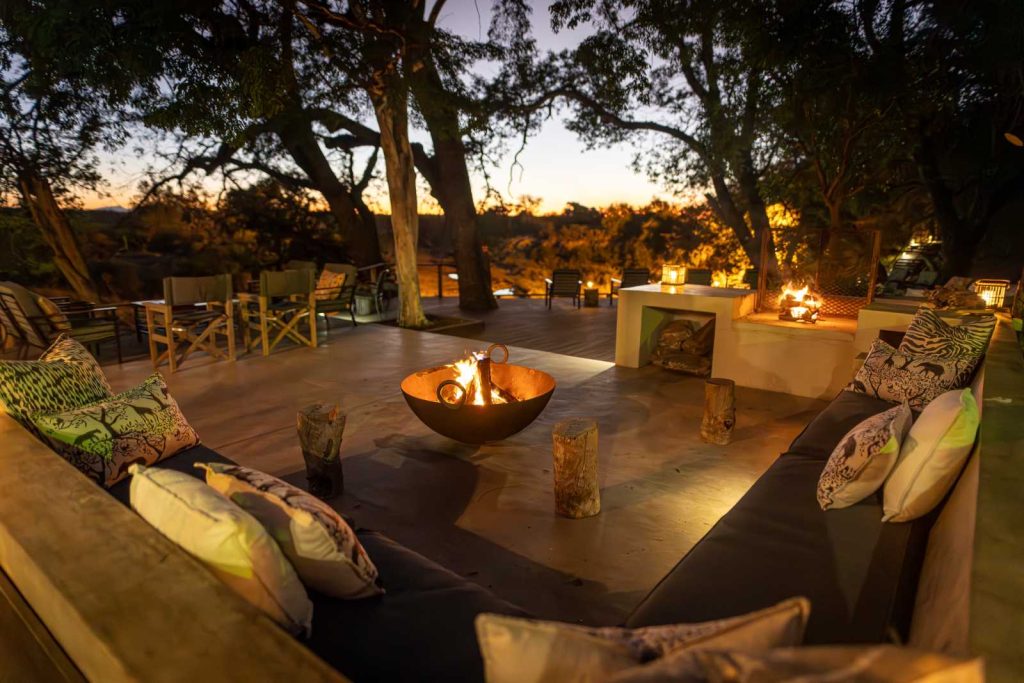
Safari Lodges
- Permanent structures with solid walls
- Often feature swimming pools
- Family rooms or interconnecting rooms
- Reliable electricity and Wi-Fi
- Structured kids’ programs at some properties
Best for: Families with younger children or those new to safari
Luxury Tented Camps
- Canvas walls but permanent foundations
- En-suite bathrooms with running water
- Family tents with separate bedrooms
- Authentic safari atmosphere
- Often in prime wildlife-viewing locations
Best for: Families seeking balance between comfort and immersion
Mobile Tented Camps
- Seasonal camps that follow wildlife movements
- More intimate experience with nature
- Typically have en-suite facilities
- Limited electricity (often solar)
- Authentic wilderness experience
Best for: Families with older children seeking adventure
Top Family-Friendly Properties in Tanzania
Based on our research and client feedback, these properties consistently deliver exceptional family safari experiences:
Serengeti
- Four Seasons Safari Lodge (luxury lodge with pool)
- Lemala Nanyukie (luxury tented camp with family tents)
- Nomad Serengeti Safari Camp (mobile camp following migration)
Ngorongoro
- Gibb’s Farm (working farm with family cottages)
- Ngorongoro Crater Lodge (luxury lodge with family suites)
- The Highlands (unique dome-shaped luxury tents)
Tarangire
- Tarangire Treetops (rooms built into baobab trees)
- Oliver’s Camp (family tents with age-appropriate activities)
- Sanctuary Swala (luxury tents with family configurations)
Arusha (Pre/Post Safari)
- Arusha Coffee Lodge (cottage-style rooms on coffee plantation)
- Rivertrees Country Inn (spacious family cottages with gardens)
- The Arusha Hotel (central location with pool)
Find the Perfect Family-Friendly Accommodations
Let our Tanzania specialists recommend the best lodges and camps for your family’s specific needs and preferences.
Health and Safety Considerations for Family Safaris
Safety is understandably a top concern for parents considering a Tanzania safari. The good news is that with proper preparation and guidance from experienced operators, a family safari can be both safe and comfortable.
Medical Preparations
- Consult a travel medicine specialist 4-8 weeks before departure
- Ensure routine vaccinations are up-to-date
- Consider recommended vaccinations like Hepatitis A and Typhoid
- Discuss malaria prophylaxis options suitable for children
- Pack a comprehensive first-aid kit with child-appropriate medications
Wildlife Safety
- Always follow guide instructions around wildlife
- Remain seated in safari vehicles during game drives
- Keep voices low to avoid disturbing animals
- Never feed or attempt to touch wildlife
- Supervise children at all times, especially in unfenced camps
General Safety Tips
- Choose reputable safari operators with experience hosting families
- Ensure comprehensive travel insurance coverage
- Use insect repellent containing DEET (appropriate concentration for children)
- Stay hydrated and protect against sun exposure
- Follow food and water safety guidelines
Emergency Preparedness
- Carry a list of emergency contacts including your tour operator
- Know the location of nearest medical facilities
- Consider medical evacuation insurance
- Bring copies of prescriptions and medical history
- Establish communication plans with your guide
Important: Most safari lodges and camps in Tanzania have basic first aid supplies and staff trained in emergency response. Many high-end properties also have access to on-call doctors or medical evacuation services. Discuss any specific health concerns with your safari operator before booking.
Essential Packing List for Family Safaris
Packing appropriately can make a significant difference in your family’s safari experience. Tanzania’s safari regions typically have moderate temperatures with cool mornings and evenings, so layering is essential.
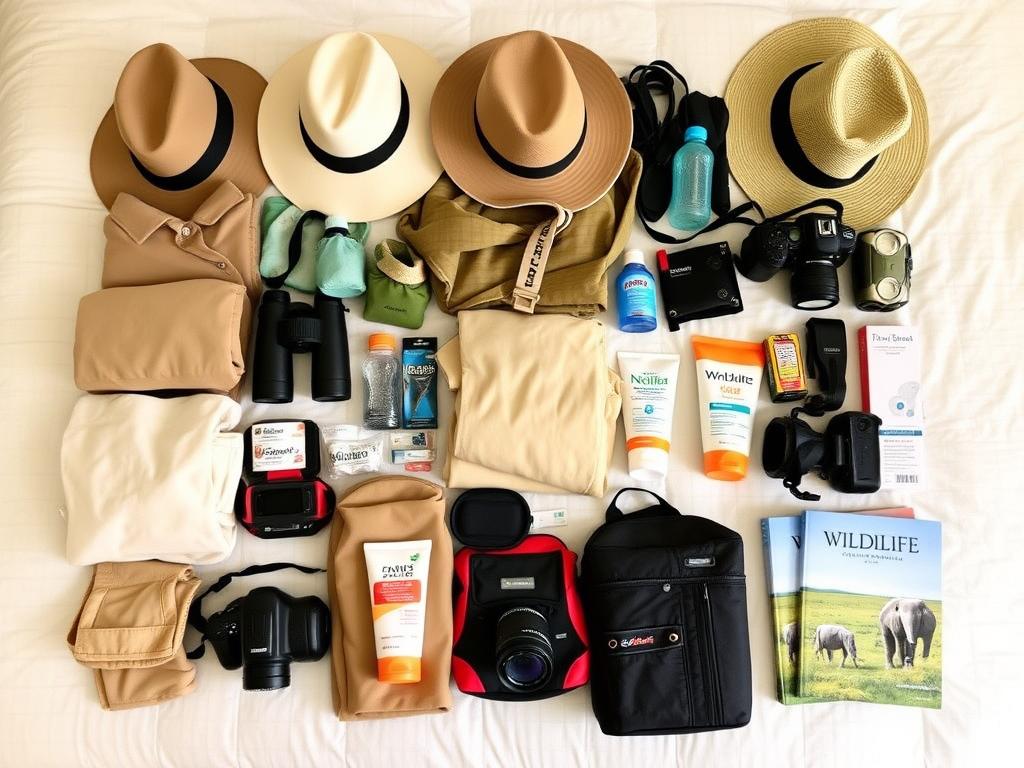
Clothing Essentials
- Lightweight, neutral-colored clothing (avoid dark blue/black which attracts tsetse flies)
- Long-sleeved shirts and pants (for sun/insect protection)
- Light jacket or fleece for cool mornings
- Comfortable closed-toe walking shoes
- Sun hat with chin strap
- Swimwear (if accommodations have pools)
Health & Safety Items
- Sunscreen (minimum SPF 30)
- Insect repellent with DEET (child-safe formulations)
- Hand sanitizer and wet wipes
- Basic first-aid kit with child-appropriate medications
- Prescription medications in original containers
- Motion sickness remedies if needed
Child-Specific Items
- Favorite snacks for picky eaters
- Refillable water bottles
- Small backpack for each child
- Wildlife identification cards or books
- Binoculars sized for children
- Journal for recording sightings and experiences
Technology & Entertainment
- Camera with zoom lens (and extra batteries/memory cards)
- Binoculars (one pair per person ideally)
- Headlamp or flashlight for each family member
- Portable power bank for charging devices
- Tablet loaded with movies for downtime (and headphones)
- Wildlife guidebooks or apps
- Travel games for evenings at camp
- Drawing supplies for younger children
Luggage Restrictions: Most safari operators in Tanzania use small aircraft for transfers between parks, which have strict luggage weight limits (typically 15-20kg/33-44lbs per person) and require soft-sided bags. Check your specific operator’s requirements before packing.
Cultural Interaction Opportunities for Families
Beyond wildlife viewing, Tanzania offers rich cultural experiences that can be both educational and entertaining for children. Engaging with local communities adds meaningful dimension to your safari experience.
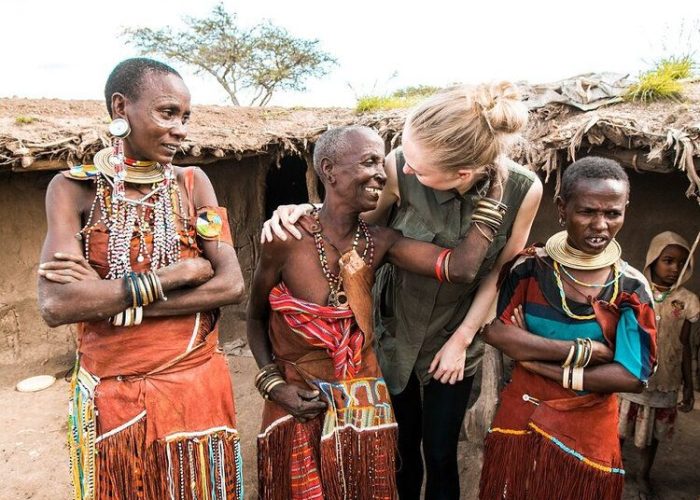
Maasai Village Visits
Many safari itineraries include visits to Maasai villages where families can learn about traditional lifestyles. Children particularly enjoy demonstrations of fire-making, spear throwing, and traditional dancing. Some villages offer hands-on activities like beadwork or learning to throw a rungu (wooden club).
Best for ages: 5+ (with parental guidance)
School Visits
Visiting a local school can be a highlight for many children, offering perspective on how their peers live and learn in Tanzania. Some tour operators have established relationships with schools where visitors can interact with students, participate in games, or even contribute needed supplies.
Best for ages: 6+ (especially meaningful for school-age children)
Cultural Centers & Workshops
Several areas offer cultural centers where families can participate in workshops on traditional crafts, cooking, or music. The Cultural Heritage Centre in Arusha and the Mto wa Mbu Cultural Tourism program offer structured experiences designed with families in mind.
Best for ages: All ages (activities can be tailored)
Responsible Cultural Tourism
When participating in cultural activities, it’s important to approach these experiences respectfully and ensure they benefit local communities. Look for operators who:
- Have established long-term relationships with communities
- Ensure fair compensation for community members
- Provide cultural orientation before visits
- Facilitate meaningful exchanges rather than staged performances
- Support community development initiatives
“The cultural interactions were just as memorable as the wildlife for our children. Meeting Tanzanian kids their own age gave them perspective they couldn’t get from any classroom.”
Seasonal Timing for Family Safaris in Tanzania
Tanzania offers year-round safari opportunities, but certain seasons may better suit family travel based on wildlife viewing, weather conditions, and school holiday schedules.
| Season | Months | Wildlife Highlights | Weather | Crowd Levels | Family Considerations |
| Dry Season (Peak) | June-October | Excellent general wildlife viewing; Wildebeest migration in Northern Serengeti (July-Oct) | Warm days, cool nights, minimal rain | High (especially July-August) | Coincides with summer holidays; easier wildlife spotting; less mosquito activity |
| Short Rains | November-December | Migration in Southern Serengeti; newborn animals | Brief afternoon showers; green landscapes | Moderate (high around Christmas) | Good value before holiday peak; lush scenery; some roads may be muddy |
| Green Season | January-March | Calving season in Southern Serengeti; excellent predator action | Warm with occasional rain; vibrant landscapes | Low (except around spring break) | Better value; fewer visitors; some activities may be weather-dependent |
| Long Rains | April-May | Lush landscapes; good birdwatching | Regular rainfall; some humidity | Very low | Lowest rates; some camps close; potential for itinerary disruptions |
Recommended Family Travel Periods
Based on the combination of wildlife viewing, weather conditions, and typical school holiday periods, these timeframes often work well for family safaris:
June to August
Coincides with summer holidays in North America and Europe. Excellent wildlife viewing with comfortable, dry conditions. Book well in advance as this is peak season.
December to January
Aligns with winter holidays. Good wildlife viewing with chances to see the migration in the southern Serengeti. Festive season brings special activities at many lodges.
February to March
Coincides with some spring breaks. Witness calving season in the Serengeti with excellent predator action. Lower visitor numbers and better rates than peak season.
October
Just after peak season with excellent wildlife viewing and fewer crowds. Good value before holiday rates apply. Migration typically in northern Serengeti.
Find the Perfect Time for Your Family Safari
Check available dates for family-friendly safaris during your preferred travel period.
Budget Considerations for Family Safaris
A Tanzania family safari represents a significant investment, but with careful planning, you can find options to suit various budgets while still ensuring a quality experience.
Typical Cost Ranges (Per Person)
Mid-Range Safari
$4,500-$6,500 per adult
$3,500-$5,000 per child
- Comfortable lodges and tented camps
- Shared safari vehicles (6-7 guests)
- Group activities and transfers
- Standard rooms/tents
- Some cultural activities included
Premium Safari
$7,000-$10,000 per adult
$5,000-$8,000 per child
- Higher-end lodges and luxury tented camps
- Private safari vehicle and guide
- Family suites or connecting rooms
- More inclusive activities
- Some special experiences (e.g., bush dinners)
Luxury Safari
$10,000-$20,000+ per adult
$8,000-$15,000+ per child
- Top-tier luxury properties
- Private vehicle, guide and customized schedule
- Premium family accommodations
- All-inclusive experiences
- Special additions (balloon safaris, helicopter transfers)
Money-Saving Tips for Families
- Travel during shoulder seasons (November, March-May) for lower rates
- Consider child discounts (many lodges offer 25-50% off for children under 12)
- Mix accommodation types (splurge in key wildlife areas, economize elsewhere)
- Opt for longer stays at fewer locations to reduce transfer costs
- Join a small group family departure rather than a fully private safari
- Book well in advance (12-18 months) for best availability and rates
- Focus on 3-4 star properties that specialize in family experiences
- Consider a safari/beach combination rather than all safari days
Value Tip: The most significant cost factor in a Tanzania safari is typically the accommodation level. Opting for mid-range properties with excellent locations and guides often provides a better overall experience than choosing luxury lodges with less optimal wildlife viewing.
Keeping Children Engaged During Game Drives
Game drives form the core of any safari experience, but keeping children engaged during these periods requires some planning and creativity. Here are strategies to ensure the whole family enjoys wildlife viewing.
Before the Safari
- Watch nature documentaries about African wildlife
- Read age-appropriate books about safari animals
- Practice using binoculars at home
- Create a list of animals they hope to see
- Learn a few words in Swahili related to animals
During Game Drives
- Create wildlife spotting checklists or bingo cards
- Assign “spotter” roles to rotate among children
- Bring a wildlife guidebook for identification
- Take breaks with snacks and stretching
- Encourage photography (even with simple cameras)
After Game Drives
- Keep a daily safari journal with drawings
- Create “animal of the day” awards
- Review photos and identify animals together
- Share stories with guides during meals
- Create maps marking where animals were spotted
Educational Aspects of Safari
A Tanzania safari offers incredible learning opportunities across multiple subjects:
Wildlife & Ecology
Children learn about animal behavior, predator-prey relationships, and ecosystem interdependence by observing wildlife in their natural habitat. Guides can explain concepts like adaptation, territory, and social structures in ways that bring textbook knowledge to life.
Geography & Geology
Tanzania’s diverse landscapes from the Serengeti plains to the Ngorongoro Crater provide living lessons in geography and geological processes. Children can learn about how landscapes form and change over time.
Cultural Studies
Interactions with local communities offer insights into different ways of life, traditions, and how people adapt to their environment. Children gain perspective on global diversity and cultural appreciation.
Conservation
Safari experiences naturally lead to discussions about habitat protection, endangered species, and human-wildlife conflict. Many lodges have conservation programs that children can learn about or participate in.
“My children learned more in 10 days on safari than they would in months of classroom study. They still talk about the lion pride dynamics and Maasai traditions they observed firsthand.”
Creating Lifelong Memories on Your Tanzania Family Safari
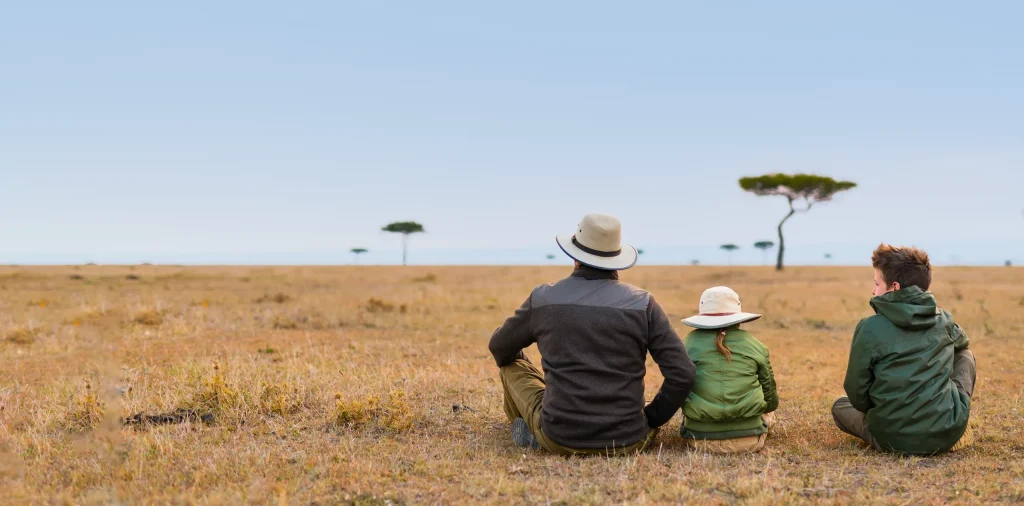
A family safari in Tanzania offers a rare opportunity to disconnect from digital distractions and reconnect with each other while experiencing the natural world at its most magnificent. The shared wonder of watching a lion pride at sunrise, learning traditional dances with Maasai warriors, or simply gathering around a campfire under the vast African sky creates bonds and memories that will last a lifetime.
While planning a Tanzania family safari requires careful consideration of ages, interests, timing, and budget, the rewards far outweigh the effort. Children return home with expanded worldviews, newfound appreciation for wildlife and conservation, and stories they’ll share for years to come. Parents gain the satisfaction of providing an experience that combines adventure, education, and family bonding in perfect measure.
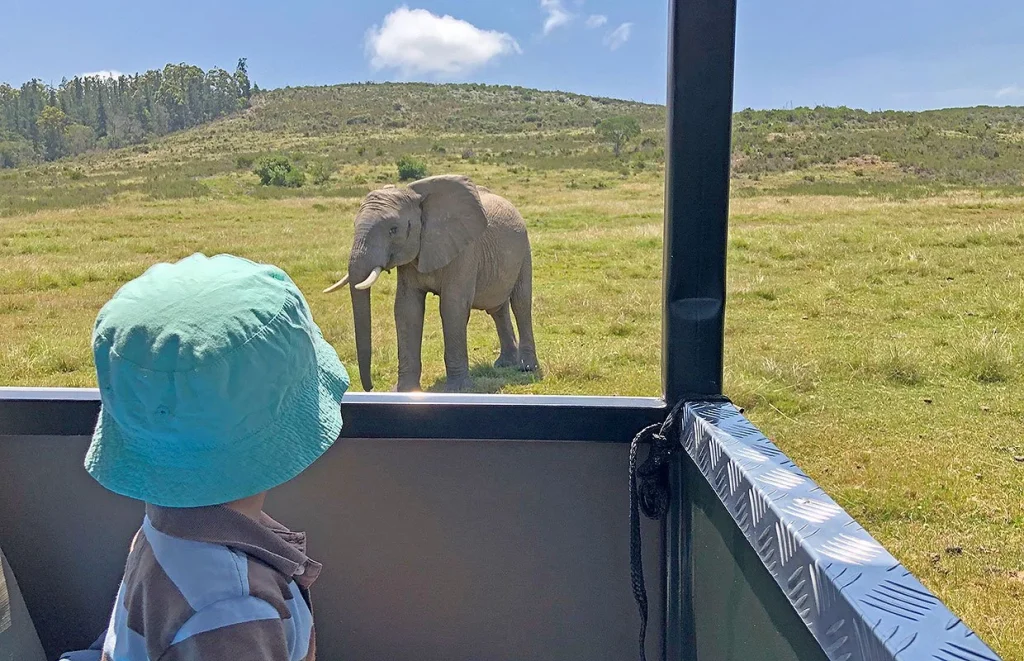
Whether you’re watching your child’s face light up at their first elephant sighting, sharing laughter with new friends in a Maasai village, or simply enjoying the peaceful rhythm of life in the African bush, Tanzania offers the ultimate backdrop for family adventures that transcend ordinary travel experiences.
Begin Your Family’s Tanzania Safari Adventure
Our Tanzania specialists are ready to help create your perfect family safari itinerary.