

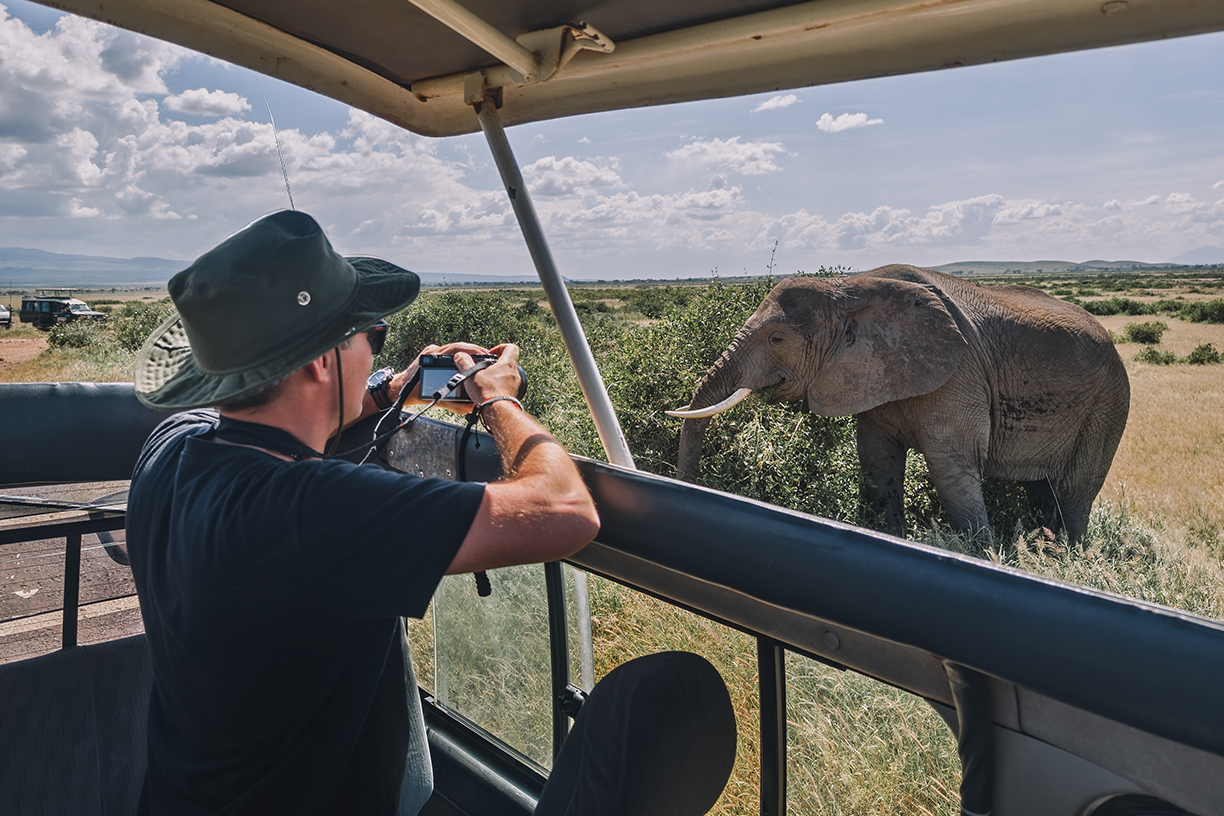
The vast plains of the Serengeti, the majestic caldera of Ngorongoro Crater, and the elephant-rich landscapes of Tarangire await on a Tanzania safari. As the sun rises over the savannah, painting the sky in hues of amber and gold, you’ll witness nature’s grand spectacle unfold before your eyes. From the thundering hooves of the Great Migration to the silent stalking of predators, Tanzania offers wildlife encounters that transform mere travel into profound connection with our natural world.
This comprehensive guide will walk you through Tanzania safari itineraries ranging from quick 3-day excursions to immersive 14-day journeys. We’ll explore the rhythm of safari life, accommodation options spanning luxury lodges to budget camps, and the best seasons to witness Tanzania’s remarkable biodiversity. Whether you’re planning your first safari or returning to explore new corners of this East African paradise, this guide will help you craft an itinerary that balances iconic wildlife experiences with authentic cultural encounters.
Why Choose Tanzania for Your Safari Adventure?
The endless plains of the Serengeti offer some of Africa’s most spectacular wildlife viewing opportunities
Tanzania stands as the crown jewel of safari destinations, offering an unparalleled concentration of wildlife and diverse ecosystems. Here’s why Tanzania should top your safari bucket list:
- Unmatched Wildlife Density: Tanzania boasts one of the highest concentrations of wildlife in Africa, with the Serengeti alone housing over 3,000 lions and 1,000+ leopards.
- The Great Migration: Witness the world’s largest terrestrial mammal migration as over 1.5 million wildebeest and 200,000 zebras traverse the Serengeti ecosystem in search of fresh grazing.
- Diverse National Parks: From the tree-climbing lions of Lake Manyara to the elephant herds of Tarangire and the prehistoric landscape of Ngorongoro Crater, each park offers unique wildlife viewing.
- Cultural Richness: Engage with over 120 tribes, including the iconic Maasai and the hunter-gatherer Hadzabe, offering authentic cultural experiences alongside wildlife viewing.
- Excellent Infrastructure: Well-established safari routes, quality accommodations, and experienced guides make Tanzania accessible for first-time safari-goers.
- Beach Extensions: Combine your wildlife adventure with relaxation on the pristine beaches of Zanzibar, just a short flight from the mainland.
Tanzania’s northern safari circuit, encompassing Serengeti, Ngorongoro, Tarangire, and Lake Manyara, offers the perfect introduction to African wildlife. The southern circuit, including Nyerere (formerly Selous) and Ruaha, provides more off-the-beaten-path experiences for returning visitors or those seeking fewer crowds.
Ready to Start Planning Your Tanzania Safari?
Get personalized itinerary recommendations and free quotes from trusted safari operators. Our network of experienced local guides will help create your perfect wildlife adventure.
Best Time to Visit Tanzania for Safari
Timing your Tanzania safari can significantly impact your wildlife viewing experience. While safaris are possible year-round, each season offers distinct advantages:
| Season | Months | Wildlife Viewing | Crowds | Costs | Special Events |
| Dry Season (Peak) | June to October | Excellent – animals concentrate around water sources | High | Premium | Mara River crossings (July-September) |
| Short Rains | November to December | Good – lush landscapes | Moderate | Shoulder season rates | Migration heading south |
| Green Season | January to February | Very good – calving season | Moderate | Shoulder season rates | Wildebeest calving in southern Serengeti |
| Long Rains | March to May | Challenging but rewarding | Low | Lowest rates | Lush landscapes, excellent bird watching |
For first-time safari-goers, the dry season (June-October) offers the most reliable wildlife viewing as animals gather around limited water sources. However, don’t dismiss the green season (January-February), which offers excellent value, fewer crowds, and the spectacular wildebeest calving season in the southern Serengeti.
Photographer’s Tip: The short rains (November-December) create dramatic skies and lush landscapes that provide stunning backdrops for wildlife photography. The occasional afternoon showers rarely interfere with game drives.
Tanzania Safari Accommodation Options
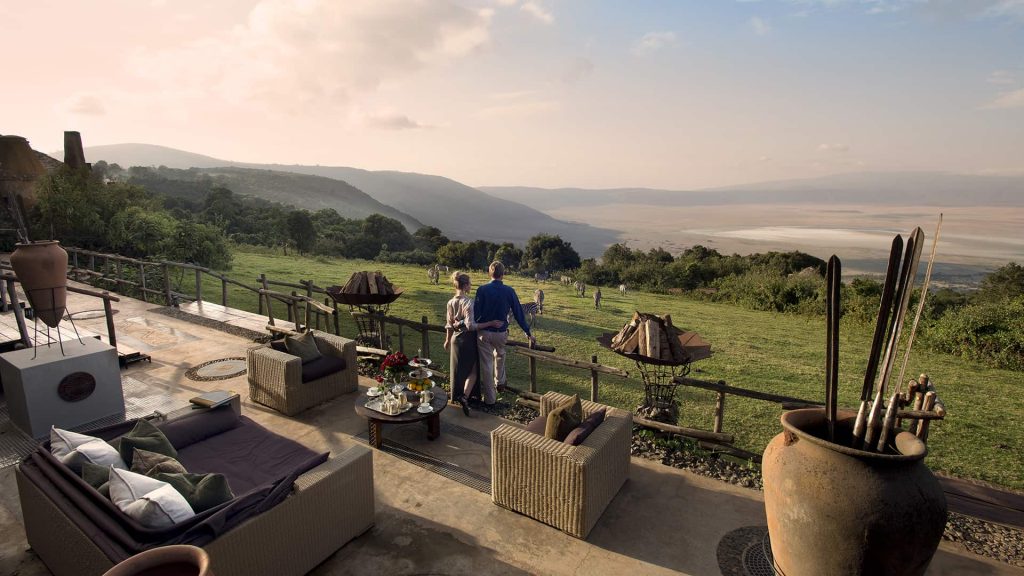
Luxury tented camps offer the perfect blend of comfort and immersion in nature
Tanzania offers a remarkable range of accommodation options to suit every budget and preference. Your choice of lodging will significantly impact both your safari experience and your budget:
Luxury Lodges & Camps
Price Range: $800-$2,000+ per person/night
Offering exceptional comfort in remote wilderness settings, luxury accommodations feature spacious rooms or tents, gourmet dining, private guides, and amenities like plunge pools and spa services. Many are located within or adjacent to national parks.
Best For: Honeymooners, special occasions, travelers seeking maximum comfort
Mid-Range Lodges & Tented Camps
Price Range: $250-$600 per person/night
Providing excellent value, these accommodations offer comfortable rooms or permanent tents with en-suite facilities, good food, and attentive service. They strike a balance between authentic safari experience and comfort.
Best For: Most safari travelers, families, first-time safari-goers
Budget Camping & Hostels
Price Range: $80-$200 per person/night
From public campgrounds to simple tented camps, budget options allow you to experience the magic of safari without breaking the bank. Facilities are basic but adequate, with shared bathrooms in some locations.
Best For: Budget-conscious travelers, adventure seekers, younger travelers
Accommodation Tip: Consider a “mixed” accommodation strategy to maximize your budget. Splurge on a luxury camp in the Serengeti for a couple of nights, then balance with mid-range options in other parks. This approach lets you experience the best of both worlds while managing costs.
Understanding Tanzania Safari Costs
Safari costs can vary dramatically based on several factors. Understanding these components will help you budget effectively:
What’s Typically Included
- Accommodation
- Professional guide and safari vehicle
- Park entrance fees
- Full board meals
- Airport transfers
- Bottled water during game drives
What’s Typically Extra
- International flights
- Visa fees ($50-100)
- Travel insurance
- Tips for guides ($10-20 per day)
- Alcoholic beverages
- Optional activities (balloon safaris, cultural visits)
Approximate Total Costs (Per Person)
| Itinerary Length | Budget Option | Mid-Range Option | Luxury Option |
| 3-Day Safari | $800-1,200 | $1,500-2,000 | $2,500-3,500+ |
| 5-Day Safari | $1,200-1,800 | $2,200-3,000 | $4,000-6,000+ |
| 7-Day Safari | $1,800-2,500 | $3,000-4,500 | $6,000-9,000+ |
| 10-14 Day Safari | $2,500-3,500 | $4,500-7,000 | $9,000-15,000+ |
Cost-Saving Tip: Traveling in a small group of 4-6 people significantly reduces per-person costs as the vehicle and guide expenses are shared. Solo travelers often pay substantial supplements, so consider joining a small group departure if budget is a concern.
Don’t Navigate Safari Planning Alone
Get expert help creating your perfect Tanzania safari itinerary. Receive customized recommendations and competitive quotes from our network of trusted safari operators.
Tanzania Safari Itineraries: From Quick Escapes to Extended Adventures
Whether you have just a few days or two full weeks, Tanzania offers safari itineraries to match your timeframe. Each of these suggested routes can be customized based on your interests, budget, and the season of your visit.
3-Day Tanzania Safari Itinerary: Essential Highlights
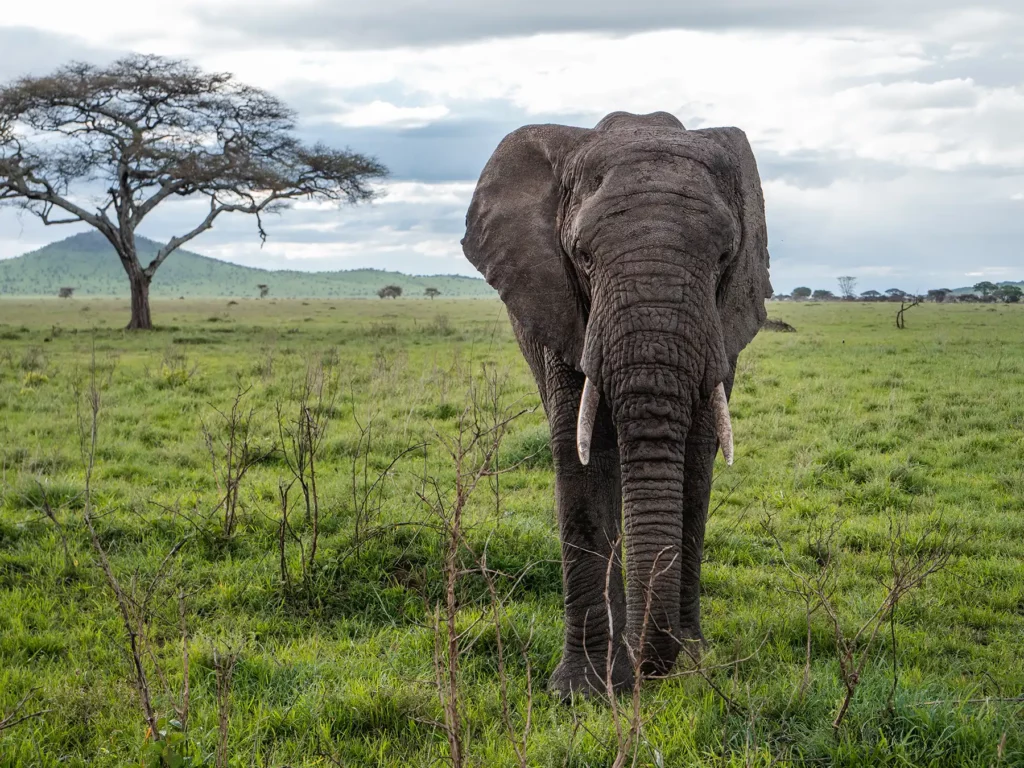
Even a short 3-day safari offers opportunities to see iconic predators like lions
Perfect for time-constrained travelers or as an add-on to a Kilimanjaro climb or Zanzibar beach stay, this compact itinerary focuses on maximizing wildlife viewing in a short timeframe.
- Day 1: Arusha to Tarangire National Park
Morning departure from Arusha, 2-hour drive to Tarangire National Park. Afternoon game drive focusing on the park’s famous elephant herds, ancient baobab trees, and diverse birdlife. Overnight at a lodge or camp within/near the park. - Day 2: Ngorongoro Conservation Area
Early breakfast followed by a drive to Ngorongoro Conservation Area (3 hours). Descend into the crater for a full-day game drive in this natural “zoo” with one of Africa’s highest concentrations of wildlife. Possible sightings include black rhinos, lions, and flamingos. Overnight at crater rim accommodation. - Day 3: Lake Manyara & Return to Arusha
Morning game drive in Lake Manyara National Park, famous for tree-climbing lions, hippos, and over 400 bird species. After lunch, return to Arusha (2 hours), arriving by late afternoon.
“A 3-day safari is perfect for those with limited time, but be prepared for early mornings and full days to maximize wildlife viewing opportunities. While brief, this itinerary covers incredible biodiversity across three distinct ecosystems.”
5-Day Tanzania Safari Itinerary: Northern Circuit Essentials
This popular duration allows you to experience all four major parks of Tanzania’s northern circuit without feeling rushed.
- Day 1: Arusha to Tarangire National Park
Morning departure from Arusha, game drive in Tarangire focusing on elephants and baobab-dotted landscapes. Overnight in Tarangire. - Day 2: Lake Manyara National Park
Morning game drive in Lake Manyara, exploring the groundwater forest and alkaline lake shore. Afternoon transfer to Karatu area. Optional cultural visit to a local village. Overnight in Karatu. - Day 3: Ngorongoro Crater
Full-day exploration of Ngorongoro Crater, home to approximately 25,000 large animals. Picnic lunch by the hippo pool. Late afternoon ascent from the crater and drive to central Serengeti (3 hours). Overnight in Serengeti. - Day 4: Serengeti National Park
Full day in the Serengeti with morning and afternoon game drives. Focus on big cats and the seasonal migration if timing permits. Overnight in Serengeti. - Day 5: Serengeti to Arusha
Early morning game drive to catch predators in action. Mid-morning departure for Arusha, arriving late afternoon. Optional flight from Serengeti to Arusha to reduce travel time (additional cost).
7-Day Tanzania Safari Itinerary: Immersive Wildlife Experience
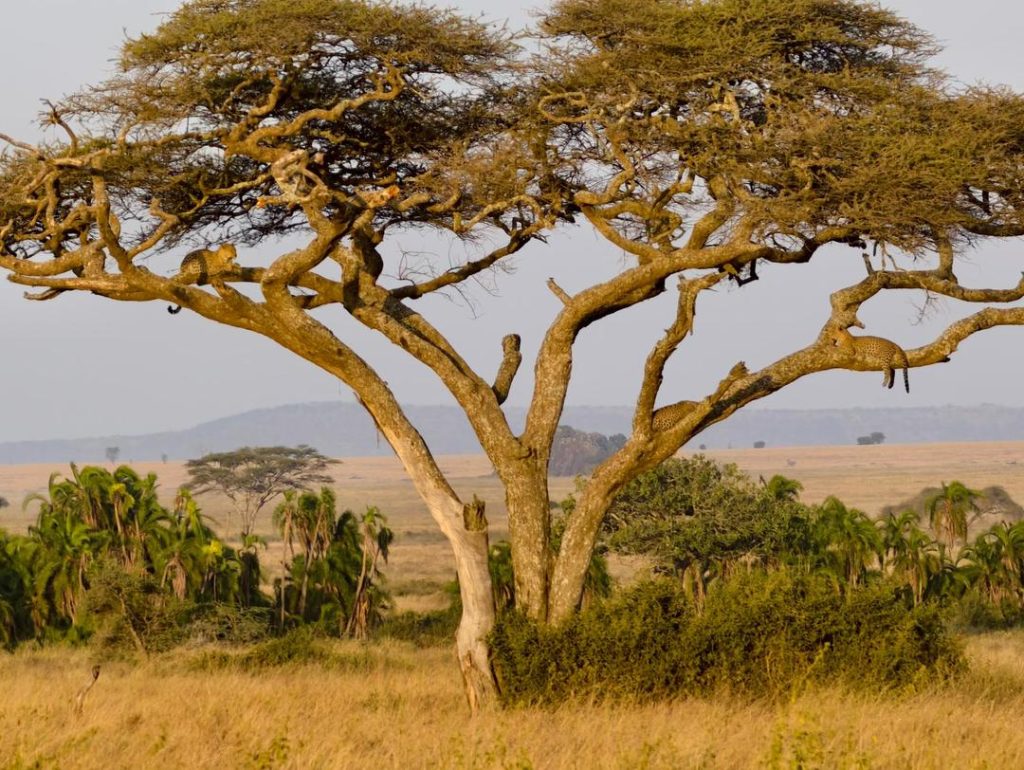
A 7-day itinerary allows time to witness spectacular events like river crossings during the Great Migration
A week-long safari provides the perfect balance of comprehensive wildlife viewing without rushing between parks. This itinerary allows more time in the Serengeti and adds cultural experiences.
- Day 1: Arusha to Tarangire National Park
Morning departure from Arusha, full-day game drive in Tarangire. Overnight in Tarangire. - Day 2: Tarangire to Lake Manyara
Morning game drive in Tarangire, transfer to Lake Manyara for afternoon game drive. Overnight near Lake Manyara. - Day 3: Cultural Day & Ngorongoro Conservation Area
Morning visit to a Maasai village or local cultural project. Afternoon transfer to Ngorongoro Conservation Area. Optional hike on the crater rim. Overnight at crater rim. - Day 4: Ngorongoro Crater
Full-day exploration of Ngorongoro Crater. Late afternoon transfer to central Serengeti. Overnight in Serengeti. - Day 5: Central Serengeti
Full day exploring central Serengeti, focusing on the resident big cats and year-round wildlife. Overnight in central Serengeti. - Day 6: Northern or Southern Serengeti (seasonal)
Transfer to either northern Serengeti (July-October for migration river crossings) or southern Serengeti (December-March for calving season). Full-day game drive in the selected region. Overnight in Serengeti. - Day 7: Serengeti to Arusha
Final morning game drive. Return to Arusha by road or optional flight from Serengeti.
10-14 Day Tanzania Safari Itinerary: The Ultimate Experience
For those with more time, this comprehensive itinerary allows deeper exploration of the northern circuit plus optional extensions to Zanzibar, the southern parks, or chimpanzee trekking in western Tanzania.
- Days 1-7: Follow the 7-day itinerary above, with extra time in each park
- Days 8-10: Choose one of these extensions:
- Zanzibar Extension: Fly to Zanzibar for beach relaxation, historical Stone Town exploration, and water activities
- Southern Circuit Extension: Fly to Nyerere National Park (formerly Selous) or Ruaha for a different safari experience with fewer crowds
- Western Tanzania Extension: Fly to Mahale Mountains or Gombe Stream National Parks for chimpanzee trekking
- Active Extension: Add a short Kilimanjaro trek, climb Mount Meru, or explore Arusha National Park on foot
- Days 11-14: Continue your chosen extension with activities like snorkeling, cultural tours, additional game drives, or hiking
Itinerary Tip: For any safari longer than 5 days, consider incorporating at least one “rest day” at a comfortable lodge where you can relax by the pool, catch up on sleep, or enjoy the surroundings without a full day of game drives. Safari fatigue is real, and a mid-trip break will enhance your overall experience.
A Typical Day on Tanzania Safari

Morning game drives offer the best wildlife viewing opportunities and beautiful light for photography
Understanding the rhythm of safari life helps set expectations for your journey. While each day brings new surprises, most follow a similar pattern:
5:30-6:00 AM: Early Wake-Up
A gentle knock on your door signals the start of your day. Most lodges provide coffee/tea service directly to your room.
6:00-6:30 AM: Light Breakfast
Enjoy a light breakfast of pastries, fruit, and coffee/tea before departing on your morning game drive.
6:30-11:30 AM: Morning Game Drive
The most productive wildlife viewing time as animals are most active in the cooler morning hours. Your guide will track recent animal movements and respond to radio calls about special sightings.
11:30 AM-2:00 PM: Lunch & Rest
Return to camp for a hearty lunch and midday rest during the hottest hours when wildlife is least active. Some lodges offer picnic lunches for full-day game drives.
2:00-6:00 PM: Afternoon Game Drive
Head out again as temperatures cool and animals become active. The golden afternoon light creates perfect photography conditions.
6:00-8:00 PM: Dinner & Evening
Return to camp for dinner, often followed by gathering around a campfire to share stories of the day’s sightings. Some camps offer night game drives (where permitted).
“The early morning wake-up calls can be challenging, but they’re absolutely worth it. There’s nothing quite like watching the African savannah come alive as the sun rises, with predators still active from their night hunts and herbivores beginning their day of grazing.”
Be Prepared for Your Tanzania Adventure
Download our free Tanzania Safari Packing Checklist to ensure you bring everything you need for a comfortable and memorable safari experience.
Wildlife Viewing Opportunities in Tanzania

Tarangire National Park is renowned for its large elephant herds and ancient baobab trees
Tanzania’s diverse ecosystems support an extraordinary array of wildlife. Here’s what you can expect to see in each major park:
Serengeti National Park
- Big Cats: One of Africa’s highest densities of lions, leopards, and cheetahs
- Great Migration: 1.5+ million wildebeest and 200,000+ zebras during seasonal movements
- Other Highlights: Elephants, giraffes, hippos, crocodiles, hyenas, and over 500 bird species
- Special Features: Tree-climbing lions, Mara River crossings (July-October), wildebeest calving (January-February)
Ngorongoro Conservation Area
- Big Five: One of the few places to see all Big Five (lion, leopard, elephant, buffalo, rhino) in a single day
- Black Rhino: Best chance to spot the critically endangered black rhino in East Africa
- Other Highlights: Dense predator populations, large herds of zebra and wildebeest, flamingos on the crater lake
- Special Features: Unique crater ecosystem creating a natural “zoo” with 25,000+ large mammals
Tarangire National Park
- Elephants: Herds of up to 300 elephants during dry season (June-October)
- Ancient Baobabs: Iconic landscapes with massive baobab trees
- Other Highlights: Tree-climbing pythons, fringe-eared oryx, lesser kudu, and over 550 bird species
- Special Features: Excellent dry-season viewing when animals concentrate around the Tarangire River
Lake Manyara National Park
- Tree-Climbing Lions: Famous for lions that rest in acacia trees
- Birdlife: Over 400 species including thousands of flamingos (seasonal)
- Other Highlights: Large troops of baboons, hippos, giraffes, and elephants
- Special Features: Diverse habitats from groundwater forest to acacia woodland and lake shore

The iconic silhouettes of giraffes against the setting sun create unforgettable safari memories
Practical Tips for Your Tanzania Safari
Essential Packing List
Clothing & Gear
- Neutral-colored clothing (khaki, olive, tan)
- Lightweight, breathable long-sleeved shirts and pants
- Warm layer for cool mornings/evenings
- Rain jacket (especially during green season)
- Wide-brimmed hat and sunglasses
- Comfortable closed-toe shoes
- Daypack for game drives
- Binoculars (essential for wildlife viewing)
Health & Safety Items
- High SPF sunscreen
- Insect repellent with DEET
- Basic first aid kit
- Prescription medications
- Anti-diarrheal medication
- Hand sanitizer
- Reusable water bottle
- Headlamp or flashlight
Health & Vaccinations

Professional guides provide important safety briefings before game drives
- Required Vaccinations: Yellow Fever (certificate required if arriving from endemic countries)
- Recommended Vaccinations: Hepatitis A & B, Typhoid, Tetanus, Polio, MMR
- Malaria Prevention: Tanzania is a malaria zone. Consult your doctor about appropriate prophylaxis and bring insect repellent
- Travel Insurance: Comprehensive travel insurance with emergency evacuation coverage is essential
- Drinking Water: Drink only bottled or purified water. Most lodges provide complimentary bottled water
Visa & Entry Requirements
- Visa Requirement: Most nationalities require a visa for Tanzania
- Application Options: Apply online through the Tanzania Immigration Department (recommended), or upon arrival at major entry points
- Cost: Single-entry tourist visa: $50 for most nationalities, $100 for US citizens
- Validity: Usually 90 days from entry
- Passport Requirement: Must be valid for at least six months beyond your departure date with at least two blank pages
Safari Etiquette & Safety
- Wildlife Respect: Never attempt to touch, feed, or disturb animals. Maintain silence during sightings
- Vehicle Safety: Remain seated in the vehicle unless your guide confirms it’s safe to exit
- Photography: Ask permission before photographing local people. Some may request a small payment
- Tipping: Budget $10-20 per day for your guide, $5-10 per day for camp/lodge staff (communal tip box)
- Conservation: Respect park rules, never litter, and minimize your environmental impact
Safety Note: Always follow your guide’s instructions regarding wildlife viewing distances and behavior around animals. Even herbivores like buffalo and elephants can be dangerous if they feel threatened.
How to Book Your Tanzania Safari

Experienced guides are essential for spotting wildlife and enhancing your safari experience
There are several approaches to booking your Tanzania safari, each with advantages and considerations:
Local Safari Operators
Pros: Often 20-40% less expensive than international agencies, direct communication with local experts, customizable itineraries
Cons: Requires more research to find reputable companies, payment may feel less secure (though many now accept credit cards)
Best For: Budget-conscious travelers, those seeking customized experiences, returning safari-goers
International Tour Operators
Pros: Convenience, added security, assistance with international flights, potential recourse if issues arise
Cons: Significantly higher prices (often 30-50% more), less direct contact with local experts
Best For: First-time safari-goers seeking maximum security, luxury travelers, those with complex multi-country itineraries
Self-Booking
Pros: Complete control over itinerary, potential cost savings
Cons: Time-consuming, challenging logistics (park fees, permits, transportation), difficult to arrange quality guides
Best For: Experienced Africa travelers, those with extensive time for planning, budget backpackers
Choosing the Right Safari Operator
- Research Thoroughly: Read reviews on TripAdvisor, Safari Bookings, and travel forums
- Verify Credentials: Check membership in associations like TATO (Tanzania Association of Tour Operators)
- Compare Multiple Quotes: Request detailed itineraries from 3-5 operators
- Ask Specific Questions: Vehicle type, guide experience, group size, exact accommodations
- Confirm Inclusions/Exclusions: Park fees, meals, activities, transfers
- Payment Terms: Understand deposit requirements and cancellation policies
Booking Tip: Book your safari 6-12 months in advance, especially if traveling during peak season (June-October) or if you want specific luxury accommodations. Last-minute bookings are possible but limit your options considerably.
Ready to Experience the Magic of Tanzania?
Let our safari experts help you design the perfect itinerary based on your timeframe, interests, and budget. Receive free, no-obligation quotes from trusted operators.
Embarking on Your Tanzania Safari Journey

Sundowners overlooking the savannah are a cherished safari tradition
A Tanzania safari is more than a vacation—it’s a profound connection with the natural world that will stay with you long after you’ve returned home. From the heart-stopping thrill of witnessing a lion hunt to the peaceful wonder of watching elephant families interact, these experiences offer a perspective that can’t be found elsewhere.
Whether you choose a quick 3-day safari or an immersive two-week adventure, Tanzania’s extraordinary landscapes and wildlife will exceed your expectations. The country’s well-developed tourism infrastructure, experienced guides, and range of accommodation options make it accessible for first-time safari-goers while still offering depth and authenticity for returning visitors.
As you plan your journey, remember that flexibility enhances the safari experience. Wildlife viewing is unpredictable by nature, and some of the most magical moments come when least expected. Trust your guide, embrace the rhythm of safari life, and allow yourself to be fully present in one of the world’s last great wilderness areas.
The plains of Tanzania await, where ancient migration routes continue as they have for millennia and the circle of life plays out in dramatic daily scenes. Your safari adventure promises not just spectacular wildlife viewing, but a transformative journey that will awaken your sense of wonder and deepen your connection to our natural world.
Frequently Asked Questions About Tanzania Safaris
What is the best time of year for a Tanzania safari?
The dry season (June to October) offers the best overall wildlife viewing as animals gather around water sources. However, different seasons offer unique experiences: January-February is excellent for wildebeest calving in the southern Serengeti, while July-September is ideal for witnessing river crossings during the migration. The “green season” (November-December and March-May) offers lush landscapes, fewer crowds, and lower prices, though some roads may be difficult after heavy rains in April-May.
How much does a Tanzania safari cost?
Safari costs vary widely based on accommodation level, itinerary length, and season. Budget camping safaris start around $200-300 per person per day, mid-range lodge safaris average $400-600 per person per day, and luxury options range from $800 to $1,500+ per person per day. These prices typically include accommodation, meals, game drives, park fees, and guide services. International flights, visas, tips, and optional activities are usually extra.
Is Tanzania safe for tourists?
Tanzania is generally considered one of Africa’s safer destinations for tourists. The main safari circuits and popular areas have good security, and violent crime against tourists is rare. As with any destination, take normal precautions with valuables, especially in urban areas like Dar es Salaam and Arusha. The biggest safety concerns on safari relate to wildlife—always follow your guide’s instructions regarding animal viewing distances and behavior around camps.
Do I need special vaccinations for Tanzania?
Yellow Fever vaccination is required if you’re arriving from a country with risk of Yellow Fever transmission. Regardless of your origin, many health professionals recommend Yellow Fever vaccination for Tanzania travel. Other recommended vaccinations include Hepatitis A and B, Typhoid, Tetanus, and routine vaccines (MMR, Polio, etc.). Tanzania is a malaria zone, so antimalarial medication is strongly advised. Consult a travel medicine specialist 4-8 weeks before your trip for personalized advice.
Can I combine a Tanzania safari with other destinations?
Absolutely! Popular combinations include Tanzania safari + Zanzibar beach holiday, Tanzania + Kenya safari, Tanzania safari + Kilimanjaro trek, or Tanzania + Rwanda/Uganda for gorilla trekking. These combinations offer diverse experiences and make the most of your long-haul flight to East Africa. Most safari operators can arrange these multi-destination itineraries or coordinate with partner companies in neighboring countries.